Finding clothes that make you feel confident starts with understanding your personal aesthetic. If you look at your closet and feel overwhelmed, learning about the different types of fashion styles will completely change how you dress. Your clothing acts as a form of non-verbal communication. It tells the world who you are before you even speak.
Navigating the fashion world feels intimidating when you do not know the terminology. This comprehensive guide breaks down the most popular clothing aesthetics. We will explore the core elements of each look, the fabrics that define them, and the essential pieces you need to build a functional wardrobe. Whether you gravitate toward relaxed streetwear or polished preppy looks, this post will help you identify and master your signature style.
Why Identifying Your Fashion Style Matters
Before we dive into specific aesthetics, it helps to understand why finding a cohesive style benefits your daily life. A defined personal style goes far beyond vanity.
Reduces Decision Fatigue
When you stick to a specific style, shopping becomes incredibly easy. You no longer wander aimlessly through stores. You know exactly what silhouettes, colors, and fabrics work for you. Getting dressed in the morning takes minutes instead of hours because your pieces naturally coordinate with one another.
Builds a Sustainable Wardrobe
Understanding your preferred style stops impulse buying. You stop purchasing trendy items that you only wear once. Instead, you invest in high-quality pieces that you genuinely love, reducing clothing waste and saving you money over time.
Classic and Timeless Styles
Some aesthetics never fade. These styles focus on clean lines, high-quality tailoring, and neutral color palettes that look just as good today as they did fifty years ago.
The Minimalist Style
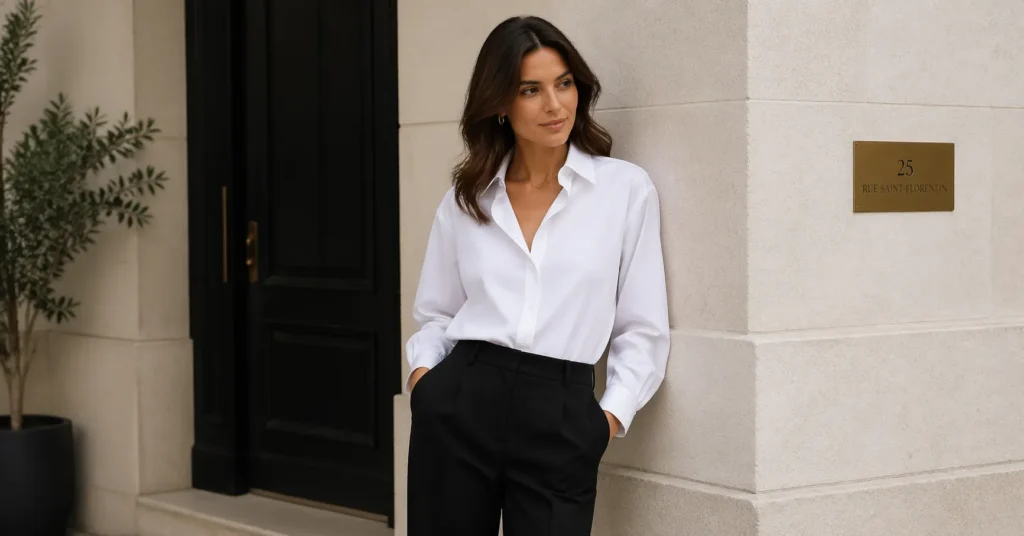
Minimalism proves that less is absolutely more. This style focuses on simplicity, functionality, and extreme versatility.
- Core Elements: Neutral colors (black, white, beige, navy), clean lines, and a complete lack of loud prints or heavy embellishments.
- Essential Pieces: A crisp white button-down shirt, perfectly tailored black trousers, a high-quality cashmere sweater, and classic leather loafers.
- The Vibe: Effortless, polished, and quietly expensive.
The Preppy Style
Inspired by collegiate uniforms and Ivy League aesthetics, the preppy style is neat, modest, and incredibly structured.
- Core Elements: Plaid patterns, argyle, pastel colors, and nautical influences.
- Essential Pieces: Polo shirts, pleated skirts, chinos, tailored blazers, and boat shoes or Oxford flats.
- The Vibe: Academic, affluent, and classically charming.
The Chic Style
Chic fashion is synonymous with sophistication. It takes the simplicity of minimalism but adds bold, striking elements to create a sharp, powerful silhouette.
- Core Elements: Monochromatic outfits, asymmetrical cuts, and high-contrast accessories.
- Essential Pieces: A sleek trench coat, a tailored little black dress (LBD), statement sunglasses, and pointed-toe pumps.
- The Vibe: Powerful, modern, and fiercely confident.
Bold and Expressive Styles
If you prefer to stand out from the crowd, these fashion aesthetics use clothing as a loud form of artistic expression.
The Bohemian (Boho) Style
Bohemian fashion pulls inspiration from the free-spirited hippie movements of the 1960s and 1970s. It prioritizes comfort, movement, and natural elements.
- Core Elements: Earth tones, intricate floral or paisley prints, flowing silhouettes, and natural fabrics like linen and suede.
- Essential Pieces: Maxi dresses, wide-brimmed hats, fringed jackets, and ankle boots.
- The Vibe: Relaxed, romantic, and deeply connected to nature.
The Edgy and Grunge Style
Rooted in alternative music subcultures, the edgy style rebels against traditional, polished fashion rules. It embraces dark colors and rough textures.
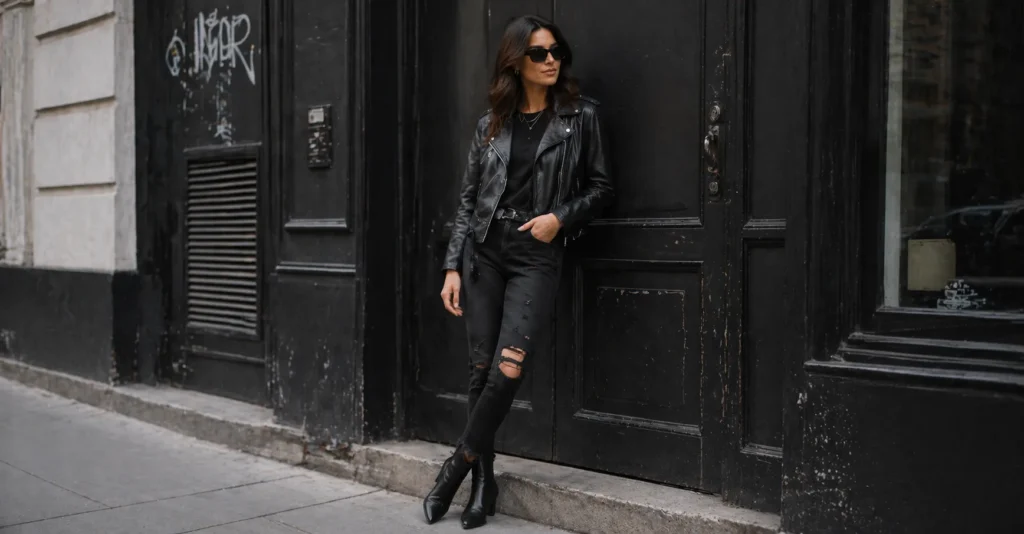
- Core Elements: Distressed fabrics, dark color palettes, heavy metal hardware, and leather details.
- Essential Pieces: A black leather motorcycle jacket, ripped skinny jeans, vintage band t-shirts, and heavy combat boots.
- The Vibe: Rebellious, tough, and unapologetically bold.
The Vintage Style
Vintage fashion involves wearing clothing from previous decades—typically the 1920s through the 1980s. Some people dress head-to-toe in a specific decade, while others mix retro pieces with modern staples.
- Core Elements: High-waisted silhouettes, authentic retro prints (like polka dots or houndstooth), and classic tailoring.
- Essential Pieces: A-line skirts from the 50s, flared jeans from the 70s, or structured shoulder-pad blazers from the 80s.
- The Vibe: Nostalgic, highly unique, and deeply curated.
Casual and Modern Styles
For those who value comfort above all else, these modern styles prove that you do not have to sacrifice style for ease of movement.
The Streetwear Style
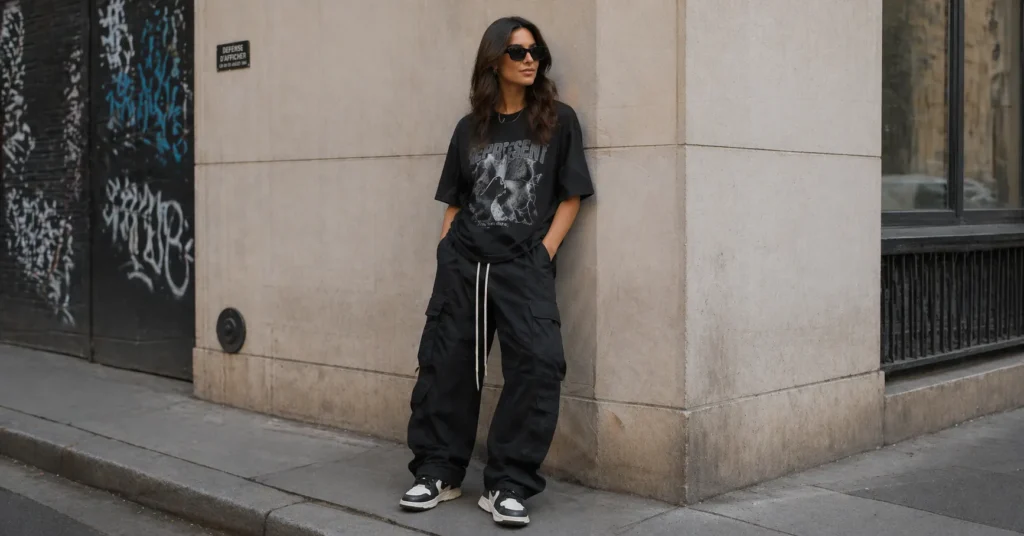
Streetwear originated from skate and surf culture in the 1990s. Today, it dominates the high-fashion world. It blends casual athletic wear with luxury branding.
- Core Elements: Oversized silhouettes, bold graphic logos, and a heavy focus on limited-edition footwear.
- Essential Pieces: Baggy cargo pants, oversized hoodies, graphic t-shirts, and exclusive collectible sneakers.
- The Vibe: Youthful, urban, and deeply embedded in pop culture.
The Athleisure Style
Athleisure takes activewear out of the gym and brings it into daily life. It represents the ultimate intersection of functionality and fashion.
- Core Elements: Stretchy, moisture-wicking fabrics, sleek athletic lines, and sporty accessories.
- Essential Pieces: High-quality leggings, matching ribbed workout sets, cropped puffer jackets, and retro running shoes.
- The Vibe: Active, comfortable, and constantly on the go.
The Casual Style
Casual fashion is the baseline of everyday wear. It is approachable, highly practical, and relies entirely on comfortable basics.
- Core Elements: Soft cotton, flexible denim, and relaxed fits.
- Essential Pieces: Straight-leg jeans, plain crewneck t-shirts, cozy cardigans, and canvas sneakers.
- The Vibe: Friendly, easygoing, and incredibly comfortable.
Comparing Key Fashion Aesthetics
Understanding the differences between these styles helps you mix and match them effectively. Here is a quick reference guide.
| Fashion Style | Key Fabric | Dominant Colors | Footwear Focus |
| Minimalist | Cotton, Silk, Cashmere | Black, White, Beige | Leather Loafers, Mules |
| Bohemian | Linen, Suede, Chiffon | Earth Tones, Warm Rust | Suede Ankle Boots |
| Streetwear | Heavy Cotton, Nylon | Bold Brights, Camo | Chunky Sneakers |
| Edgy | Leather, Distressed Denim | Black, Charcoal, Burgundy | Lace-up Combat Boots |
| Preppy | Tweed, Wool, Pique | Navy, Pastels, Plaid | Boat Shoes, Oxfords |
How to Find and Develop Your Personal Style
You do not have to pick just one style from this list. The most stylish people often blend two or three aesthetics to create a unique look. Here is how you can develop your own signature style.
1. Audit Your Current Closet
Look at the clothes you already wear constantly. Notice the repeating patterns. Do you always reach for oversized sweaters? Do you prefer tight, tailored trousers? Identifying what you naturally gravitate toward points you toward your true aesthetic.
2. Create a Visual Mood Board
Save images of outfits that inspire you. After you save about fifty photos, review them. You will likely see a distinct theme emerge, whether it is the relaxed silhouettes of the bohemian style or the dark tones of the grunge aesthetic.
3. Experiment with the “Wrong Shoe” Theory
A great way to mix styles is the “wrong shoe” theory. This involves picking a shoe that directly contrasts with your outfit. For example, wearing heavy combat boots (edgy) with a flowing floral dress (bohemian). This creates visual friction and makes the outfit look highly intentional.
Conclusion
Understanding the different types of fashion styles empowers you to make smarter clothing choices. Whether you want to command a room with a chic, tailored blazer or relax on the weekend in oversized streetwear, your clothes help you tell your story. Start by identifying the elements that make you feel the most confident. Build a foundation of reliable basics, experiment with fun accessories, and never be afraid to bend the fashion rules to suit your unique personality.
Frequently Asked Questions (FAQs)
How many fashion styles can one person have?
You can blend as many styles as you like. Most people have a core aesthetic (like casual or minimalist) and incorporate elements from other styles (like edgy hardware or vintage prints) depending on their mood.
What is the most popular fashion style right now?
Streetwear and athleisure currently dominate daily fashion due to the global shift toward comfortable, practical clothing. However, vintage and Y2K-inspired styles are also massively popular among younger generations.
How do I transition from one fashion style to another?
Do it slowly. Do not throw away your entire wardrobe. Start by purchasing affordable accessories—like shoes, belts, or jewelry—that fit the new style. Gradually introduce new tops and bottoms until your wardrobe reflects your new aesthetic.
What is the difference between chic and minimalist styles?
While both use clean lines, minimalism focuses on extreme simplicity and neutral colors. Chic style is more trend-conscious and often incorporates bold, high-contrast statement pieces and sharp, dramatic tailoring.

Sofia Bennett is a fashion content creator known for her refined perspective on style, trends, and modern elegance. She specializes in curating content that blends timeless fashion principles with contemporary aesthetics, helping readers develop confidence through personal style. Sofia’s work spans outfit styling, wardrobe essentials, and fashion inspiration, always with an emphasis on authenticity and practicality. Her approachable voice and eye for detail make fashion accessible, empowering readers to express themselves with confidence and sophistication.