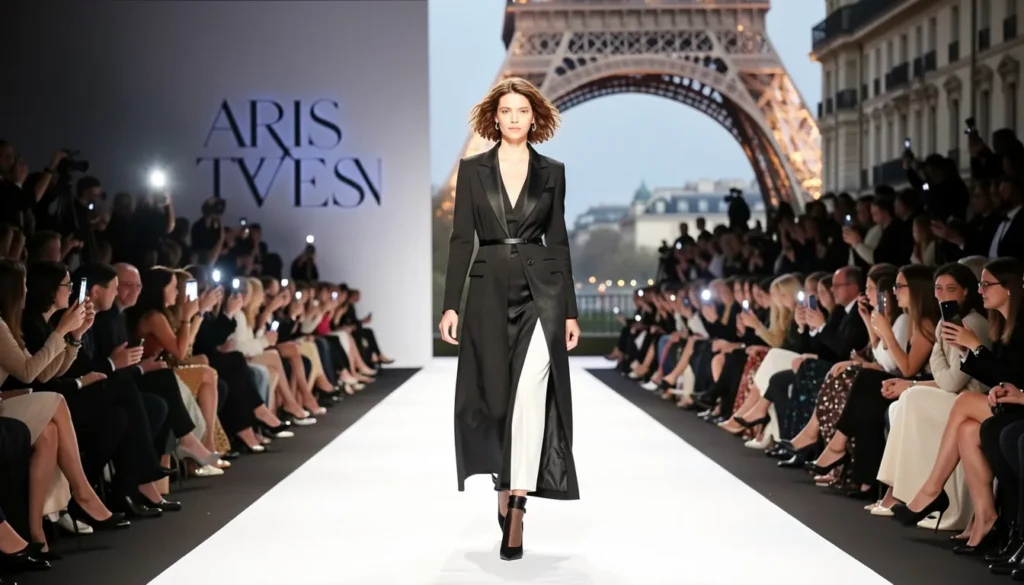
Twice a year, the global fashion world turns its eyes to one city: Paris. As the final stop in the “Big Four” fashion month, Paris Fashion Week (PFW) is more than just a series of runway shows; it’s a cultural phenomenon. It is where legendary fashion houses unveil their latest creations, new designers make their mark, and the future of style is decided. This is the grand stage where artistry, commerce, and history converge.
This guide will take you behind the curtain of PFW. We’ll explore its storied history, break down the difference between its various collections, and reveal what it takes for designers to present on the world’s most prestigious fashion stage. Whether you’re a fashion devotee or simply curious about this iconic event, you’ll gain a deeper understanding of what makes it the pinnacle of the industry.
What is Paris Fashion Week?
Paris Fashion Week is a semi-annual series of designer presentations held in Paris, France. It is the last of the four major international fashion weeks, following New York, London, and Milan. Organized by the Fédération de la Haute Couture et de la Mode, PFW hosts hundreds of events, from runway shows and presentations to exclusive parties and showroom appointments.
It is not a single event but a carefully curated schedule of showcases spread across the city. Designers use this platform to present their upcoming collections to an audience of international press, retail buyers, celebrities, and industry influencers. The collections shown here often set the tone for global fashion trends for the upcoming season.
The “Big Four” Fashion Weeks
Fashion month is a whirlwind tour through the world’s style capitals. Each city has its own distinct identity:
- New York: Known for its commercial, ready-to-wear focus and American sportswear.
- London: Celebrated for its avant-garde creativity and emerging talent.
- Milan: Famous for its luxurious craftsmanship and bold, glamorous aesthetic.
- Paris: The pinnacle of high fashion, home to legendary couture houses and revered for its artistry and historical significance.
The History and Legacy of PFW
The origins of Paris Fashion Week trace back to the mid-19th century when English couturier Charles Frederick Worth, considered the father of haute couture, began showing his designs on live models. However, the first officially recognized “fashion week” was organized in 1973 by the Fédération Française de la Couture.
This inaugural event was a fundraiser to restore the Palace of Versailles and famously culminated in the “Battle of Versailles,” a fashion show that pitted five American designers against five French designers. The American designers’ vibrant, modern presentation was a resounding success, marking a pivotal moment that helped establish American fashion on the global stage and solidified PFW as a major international event.
Since then, PFW has grown exponentially, becoming the most prestigious platform for designers to showcase their work. It is where iconic moments happen, from Alexander McQueen’s groundbreaking shows to Yves Saint Laurent’s final couture presentation.
Understanding the Different Fashion Weeks in Paris
Paris hosts multiple fashion weeks throughout the year, each dedicated to a specific category of clothing. It’s important to distinguish between them.
Haute Couture Week
This is the most exclusive and artistic event on the fashion calendar, held in January and July.
- Definition: Haute couture translates to “high sewing.” It refers to the creation of bespoke, custom-fitted garments made by hand from start to finish.
- Strict Rules: To be an official couture house, a brand must meet stringent criteria set by the Chambre Syndicale de la Haute Couture. This includes having an atelier in Paris with at least 20 full-time staff and presenting a collection of at least 50 original designs each season.
- Purpose: Couture is not about commercial sales; it’s a demonstration of a fashion house’s artistry, craftsmanship, and creative vision. It serves as a powerful marketing tool that elevates the entire brand.
Ready-to-Wear (Prêt-à-Porter) Week
This is the main event, held in February/March for Autumn/Winter collections and September/October for Spring/Summer collections.
- Definition: Ready-to-wear refers to factory-made clothing sold in finished condition and standard sizes. These are the clothes you actually see in stores.
- Commercial Focus: While still highly creative, the ready-to-wear shows are centered on commerce. The primary audience consists of retail buyers who decide which pieces will be stocked in department stores and boutiques worldwide.
- Global Influence: The trends seen on the ready-to-wear runways—from silhouettes and colors to fabrics and accessories—have the most direct impact on what the general public will be wearing in the coming months.
Men’s Fashion Week
Held in January and June, this week is dedicated entirely to menswear collections. It has grown significantly in prominence over the last decade, with major luxury brands like Dior Homme, Louis Vuitton, and Hermès staging spectacular shows.
The Iconic Venues of Paris Fashion Week
Unlike other cities that may use a central venue, Paris Fashion Week shows are scattered across the city in some of its most breathtaking locations. The venue choice is an integral part of the show’s storytelling.
- The Grand Palais: A massive and historic exhibition hall known for its stunning glass roof. It has been the longtime home for Chanel’s elaborate, set-designed shows.
- The Louvre Museum: The world’s most famous museum, particularly the Cour Carrée, has hosted shows for brands like Louis Vuitton, blending history with modernity.
- The Musée Rodin: With its beautiful gardens, it provides a serene and romantic backdrop, often used by Dior for its couture presentations.
- Unexpected Locations: Designers often choose unique spots to create a memorable experience, such as a show on a bateau-mouche cruising down the Seine or inside a historic library.
How to Get a Ticket to Paris Fashion Week
Attending a PFW show is notoriously difficult. Seating is extremely limited, and guest lists are highly curated.
- Industry Professionals: The majority of attendees are buyers, journalists, editors, and photographers who are invited directly by the fashion houses or their PR agencies.
- Celebrities and Influencers: A-list celebrities and top-tier digital influencers are invited as brand ambassadors to generate buzz and media coverage.
- Public Access: While most shows are invite-only, there are a few ways for the public to participate. Some emerging designers may have standing-room-only spots available, and many brands host public presentations or livestream their shows online. The best way to catch the action is often by observing the street style outside the major show venues.
Street Style: The Other Runway
The scene outside the show venues has become a spectacle in its own right. Street style photographers flock to capture the outfits of editors, models, and influencers. This “second runway” is where many real-world trends are born. It’s a showcase of personal expression, where attendees mix high fashion with vintage finds and emerging brands, providing a wealth of inspiration.
Conclusion: The Enduring Allure of Paris
Paris Fashion Week is more than a trade event; it’s a celebration of creativity at its highest level. It’s where the heritage of legendary couture houses meets the innovation of new talent. For one week, the city transforms into a living museum of fashion, reminding the world why Paris remains the undisputed capital of style. By setting the agenda for designers, buyers, and consumers, PFW continues to shape the future of the entire fashion ecosystem, solidifying its place as the industry’s most important and awe-inspiring event.
Frequently Asked Questions (FAQs)
Q1: How many times a year is Paris Fashion Week?
A: Paris Fashion Week for women’s ready-to-wear happens twice a year: in February/March for the Autumn/Winter collections and in September/October for the Spring/Summer collections. There are also separate weeks for Haute Couture (January/July) and Men’s Fashion (January/June).
Q2: Who runs Paris Fashion Week?
A: The event is organized and managed by the Fédération de la Haute Couture et de la Mode (FHCM), the governing body for the French fashion industry.
Q3: What is the difference between Haute Couture and Ready-to-Wear?
A: Haute Couture involves bespoke, handmade garments custom-fitted for a specific client and is governed by very strict rules. Ready-to-Wear (or prêt-à-porter) is designer clothing that is factory-made in standard sizes and sold in stores.
Q4: Can anyone attend Paris Fashion Week?
A: The official runway shows are industry-only and require a direct invitation. However, the public can experience the atmosphere by watching the street style outside venues or by viewing the many shows that are live-streamed online.
Q5: Which brands show at Paris Fashion Week?
A: An extensive list of the world’s most prestigious brands show in Paris, including legacy houses like Chanel, Dior, Louis Vuitton, and Saint Laurent, as well as many contemporary and emerging designers from around the globe.

Sofia Bennett is a fashion content creator known for her refined perspective on style, trends, and modern elegance. She specializes in curating content that blends timeless fashion principles with contemporary aesthetics, helping readers develop confidence through personal style. Sofia’s work spans outfit styling, wardrobe essentials, and fashion inspiration, always with an emphasis on authenticity and practicality. Her approachable voice and eye for detail make fashion accessible, empowering readers to express themselves with confidence and sophistication.