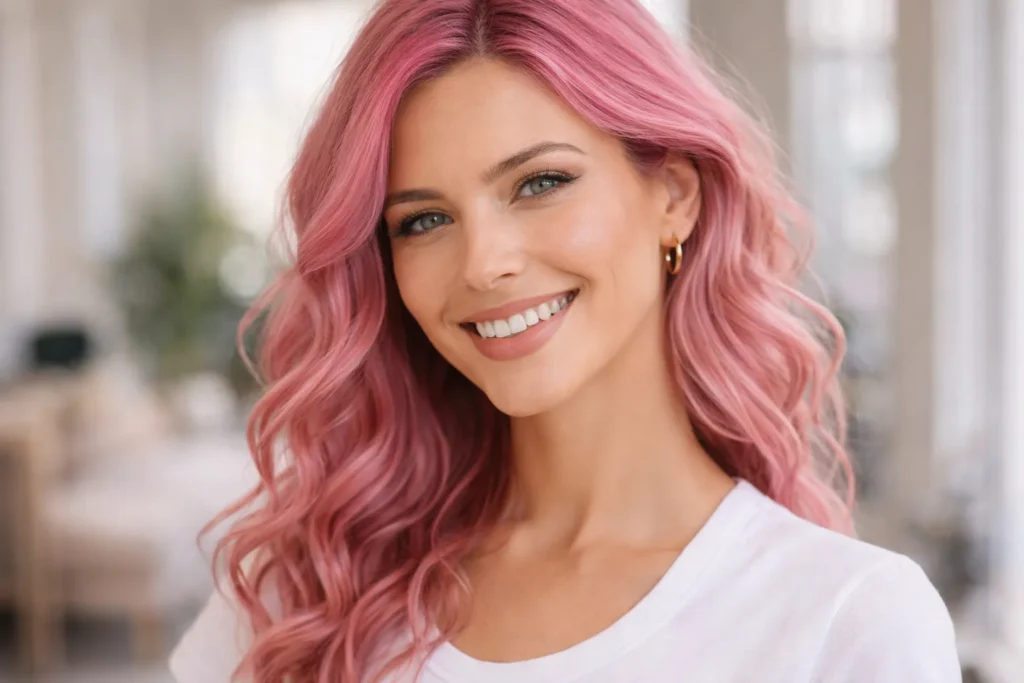
Transforming your look with vibrant colors is an exciting journey, and choosing pink hair dye is one of the most popular ways to make a stunning statement. Whether you want a soft pastel blush, a fierce magenta, or a trendy rose gold, pink offers endless possibilities for self-expression.
However, achieving and maintaining the perfect pink requires more than just picking a box off a shelf. It involves understanding your hair’s base color, choosing the right formula, and committing to a solid aftercare routine. We will walk you through every step of the process. You will learn how to prep your hair, apply the color flawlessly, and keep it looking fresh for as long as possible.
Choosing the Perfect Shade of Pink
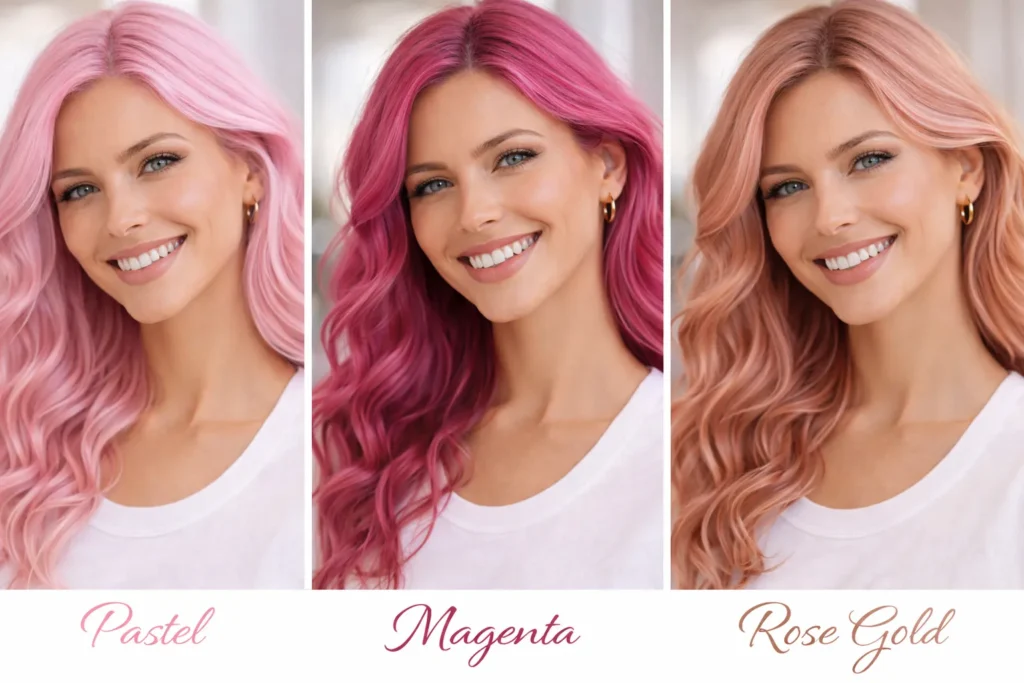
Before you buy any dye, you need to decide which shade of pink matches your vision and complements your skin tone. Pink is incredibly versatile, but certain shades work better with specific undertones.
Pastel and Baby Pink
Pastel pink is a soft, delicate shade that looks like cotton candy. It is incredibly popular but also the most difficult to achieve.
- Best for: Fair to medium skin tones with cool undertones.
- Requirements: You must lift your hair to a level 10 (platinum blonde) for pastel pink to show up correctly. Any yellow tones left in the hair can turn the dye peach or orange.
Hot Pink and Neon Pink
If you want to turn heads, hot pink or neon pink is the way to go. These shades are highly pigmented, bright, and fierce.
- Best for: All skin tones. Neon pink pops beautifully against deep and dark complexions.
- Requirements: While a platinum base makes it brightest, hot pink can successfully tint medium blonde to light brown hair without heavy bleaching.
Rose Gold
Rose gold blends pink with warm golden and apricot tones. It is a sophisticated, highly wearable shade that mimics the popular jewelry metal.
- Best for: Warm and neutral undertones.
- Requirements: Works wonderfully over a warm blonde base. You do not need stark white hair to achieve a beautiful rose gold finish.
Magenta and Fuchsia
Magenta sits between pink and purple. It is a deep, rich jewel tone that looks incredibly luxurious and dramatic.
- Best for: Olive and dark skin tones with warm or cool undertones.
- Requirements: Because it is so dark and pigmented, magenta covers a variety of base colors. It can add a gorgeous tint to dark brown hair without the need for bleach.
Understanding Types of Hair Dye
Not all dyes are created equal. The type of pink hair dye you choose dictates how long the color lasts and how it interacts with your hair cuticle.
Semi-Permanent Dye
Most vivid pink colors fall into this category. Semi-permanent dye does not contain ammonia or developer. It coats the outside of the hair shaft rather than penetrating it.
- Pros: Damage-free, often acts as a deep conditioner, easy to apply at home.
- Cons: Washes out quickly (usually in 4 to 12 washes), bleeds easily when wet.
Demi-Permanent Dye
Demi-permanent dye uses a low-volume developer to open the hair cuticle slightly, depositing color deeper than a semi-permanent formula.
- Pros: Lasts longer (up to 24 washes), fades smoothly, provides richer color depth.
- Cons: Causes minor structural changes to the hair, requires mixing with a developer.
Permanent Dye
Permanent dye fully opens the hair cuticle and alters the natural pigment. While true permanent vivid pinks are rare, they do exist in professional salon lines.
- Pros: Long-lasting, resistant to fading.
- Cons: Can cause significant damage, hard to remove if you want to change colors later.
Temporary Sprays and Chalks
If you just want pink hair for a weekend festival or a party, temporary options are perfect.
- Pros: Washes out in one shampoo, zero commitment, works on dark hair.
- Cons: Can feel stiff or chalky, rubs off on clothing and pillows.
Preparing Your Hair for Color
Preparation is the secret to a flawless, even dye job. If you skip these steps, you risk ending up with patchy, uneven color.
The Reality of Bleaching
Unless you have naturally platinum blonde hair, you will likely need to bleach your hair to achieve a bright or pastel pink. Bleach removes the natural pigment from your hair, creating a blank canvas.
- Assess your hair health: If your hair is brittle, breaking, or heavily processed, do not bleach it. Focus on repairing treatments first.
- Do a strand test: Always apply bleach to a small, hidden section of hair first. This tells you how your hair reacts and how long it takes to lift.
- Lift to the right level: Remember, pastel pink needs a level 10 (inside of a banana peel yellow). Hot pink can work over a level 7 or 8 (orange/gold).
Deep Conditioning
Bleaching strips moisture from your strands. A few days before applying your pink dye, treat your hair to a heavy moisture mask. Hydrated hair absorbs color more evenly than dry, porous hair.
Clarifying Your Hair
The day before you dye, wash your hair with a clarifying shampoo. This removes product buildup, oils, and minerals that can block the dye from adhering to your hair. Do not use conditioner after this clarifying wash, as conditioner leaves a film on the hair shaft.
Step-by-Step Application Guide
Once your hair is lightened and prepped, it is time for the fun part. Gather your supplies: gloves, a tint brush, a mixing bowl, sectioning clips, and petroleum jelly.
Step 1: Protect Your Skin
Pink dye stains quickly. Apply a thick layer of petroleum jelly along your hairline, ears, and the back of your neck. Wear an old t-shirt that you do not mind ruining.
Step 2: Section Your Hair
Divide your dry, unwashed hair into four quadrants. Part it down the middle from forehead to nape, and then across from ear to ear. Secure each section with a clip.
Step 3: Apply the Dye
Start at the roots of one of the back sections. Use your tint brush to paint the dye onto the hair, working in small, half-inch slices. Once the roots are covered, pull the color down through the mid-lengths and ends.
- Pro Tip: Massage the color into the strands with your gloved fingers. This ensures every single hair is saturated and prevents a patchy finish.
Step 4: Process the Color
Follow the instructions on your dye for timing. Because most semi-permanent pink dyes are conditioning, leaving them on longer usually does not cause damage. Many people wrap their hair in a plastic shower cap and let it sit for an hour to maximize color absorption.
Step 5: Rinse with Cold Water
Rinse your hair in the sink or shower using the coldest water you can tolerate. Cold water seals the hair cuticle, locking the pink pigment inside. Rinse until the water runs mostly clear. Apply a color-safe conditioner, but skip the shampoo for this initial wash.
How to Maintain Your Pink Hair
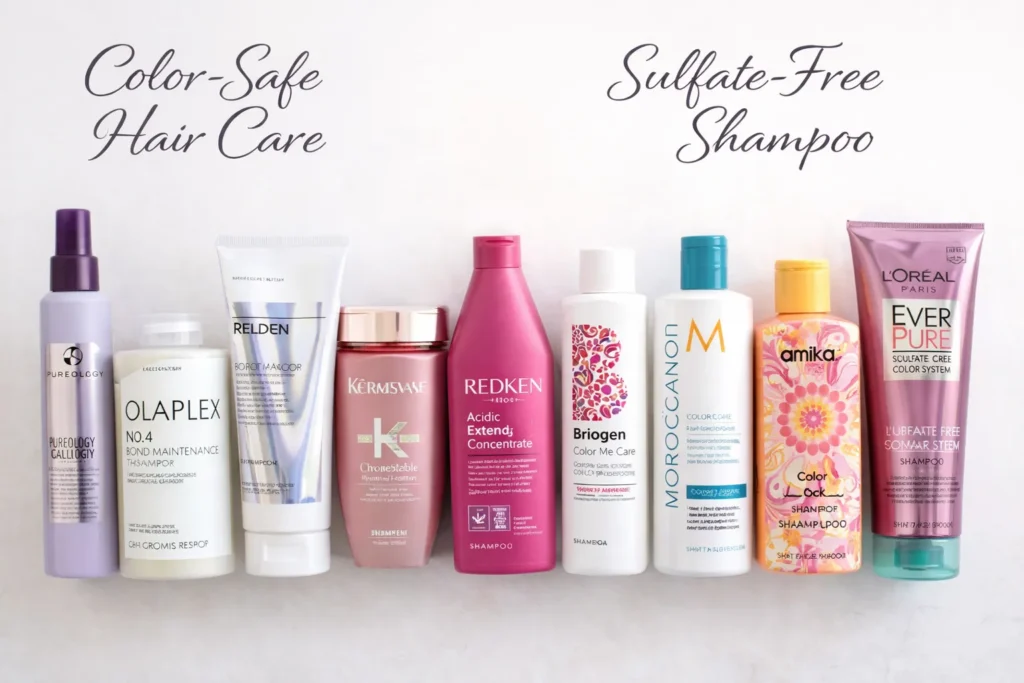
Pink is notoriously difficult to maintain. Red and pink pigments have large molecules that wash out of the hair cuticle very easily. To keep your hair looking fresh, you must adapt your haircare routine.
Wash Less Frequently
Water is the enemy of vivid hair color. Try to wash your hair only once or twice a week. Invest in a high-quality dry shampoo to absorb oil between wash days.
Always Use Cold Water
Hot water blasts the hair cuticle open, allowing your expensive pink dye to wash right down the drain. Always wash and rinse your colored hair with cool or cold water.
Switch Your Shampoo
Throw away any shampoos containing sulfates. Sulfates are harsh detergents that strip color rapidly. Look for sulfate-free, color-safe shampoos designed specifically for vivid hair.
Use Color-Depositing Products
Color-depositing shampoos and conditioners are your best friends. These products contain small amounts of pink pigment that refresh your color every time you wash. You can also mix a few drops of your leftover semi-permanent dye into your regular white conditioner to create a custom color mask.
Avoid Heat Styling
Hot tools like flat irons, curling wands, and blow dryers can actually burn the color right out of your hair, turning a vibrant pink into a dull peach. Whenever possible, let your hair air dry. If you must use heat, always apply a strong thermal protectant spray first and keep the tool on a low temperature setting.
Protect from the Sun and Chlorine
UV rays fade pink hair incredibly fast. Wear a hat if you plan to spend hours in the sun, or use a hair-specific sunscreen spray. Furthermore, chlorine acts like bleach. Never submerge your pink hair in a swimming pool without coating it in thick conditioner and wearing a swim cap.
Common Mistakes and How to Avoid Them
Even with careful planning, things can go wrong. Here are the most common pitfalls people encounter when dyeing their hair pink, and how you can avoid them.
Applying Cool Pink Over Yellow Hair
If you apply a cool-toned pastel pink over yellow-blonde hair, the colors will mix. Pink and yellow create orange. If you want a true, cool pink, you must tone the yellow out of your hair using a purple shampoo or an ash toner before applying the pink dye.
Not Buying Enough Dye
Nothing is worse than running out of dye halfway through your head. A standard jar or tube of semi-permanent dye is usually only enough for shoulder-length, fine hair. If you have long or thick hair, always buy two or three containers. You can always save the leftovers for touch-ups.
Skipping the Strand Test
We mentioned it earlier, but it bears repeating. A strand test saves you from catastrophic results. It tells you exactly how the color will look over your current base.
The Fading Process: What to Expect
Embrace the fade. Semi-permanent pink will change color every time you wash it. A hot pink will gradually fade to a bubblegum pink, then to a soft pastel, and finally to a peachy blonde. Many people find they love the faded stages just as much as the initial vibrant color.
If your hair fades to a tone you dislike, you can easily alter it. For example, if your pink fades too orange, you can apply a highly diluted purple dye to neutralize the warmth.
Conclusion
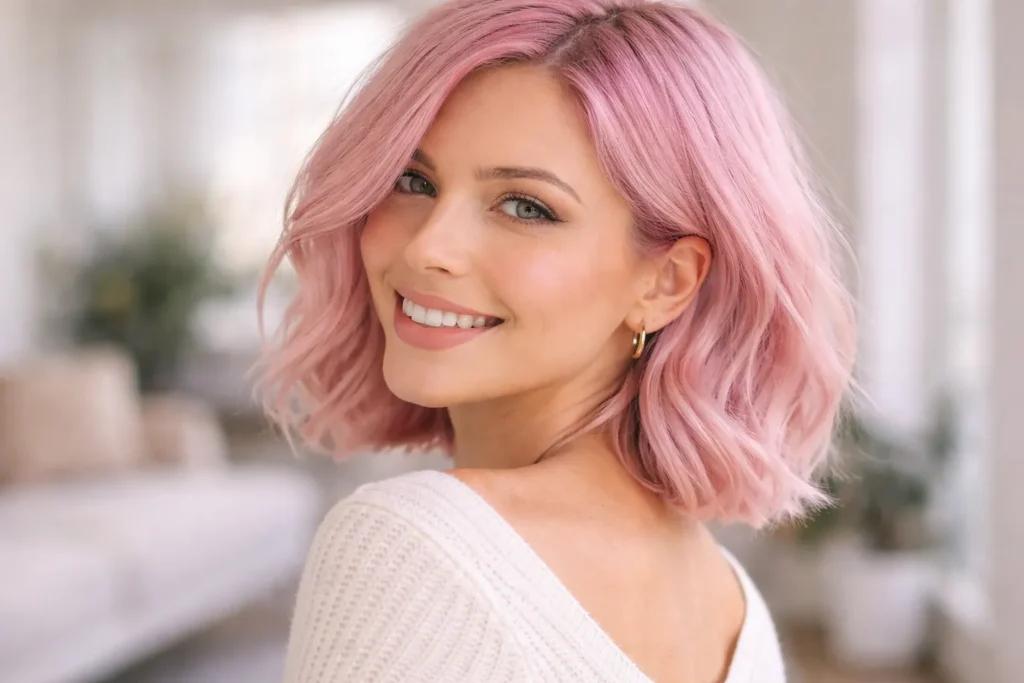
Dyeing your hair pink is a thrilling way to showcase your personality and creativity. By taking the time to understand your starting base, properly lightening your hair, and meticulously applying the color, you can achieve salon-quality results at home. Remember that the journey does not end after you rinse the dye out. Committing to a strict maintenance routine—washing in cold water, minimizing heat, and using color-safe products—will ensure your pink hair stays vibrant and beautiful for weeks to come.
Frequently Asked Questions (FAQs)
Does pink hair dye wash out completely?
Semi-permanent pink dye will fade significantly over time, but it rarely washes out 100% on its own, especially on bleached hair. It often leaves a faint peach or strawberry blonde stain. You may need a color remover or a gentle bleach bath to remove the last stubborn traces.
Can I dye my dark hair pink without bleach?
You can apply a dark, highly pigmented magenta or fuchsia dye over medium to dark brown hair. It will not look bright pink, but it will give your hair a deep, visible pink tint, especially in the sunlight. For bright or pastel pinks, bleaching is absolutely required.
How long does pink hair dye last?
It depends heavily on the brand, the porosity of your hair, and your washing routine. Generally, pastel pinks last 1 to 3 weeks, while highly pigmented hot pinks and magentas can last 4 to 8 weeks before fading significantly.
Does pink dye damage your hair?
Semi-permanent pink dyes do not damage your hair; they are typically conditioning treatments that simply stain the outside of the hair. The damage comes from the bleaching process required before applying the pink dye.
What happens if I put pink dye over green hair?
Pink and green are opposite each other on the color wheel. If you put pink dye over faded green hair, the colors will cancel each other out, likely resulting in a muddy, neutral brown or gray color. You must remove the green tones first.

Sofia Bennett is a fashion content creator known for her refined perspective on style, trends, and modern elegance. She specializes in curating content that blends timeless fashion principles with contemporary aesthetics, helping readers develop confidence through personal style. Sofia’s work spans outfit styling, wardrobe essentials, and fashion inspiration, always with an emphasis on authenticity and practicality. Her approachable voice and eye for detail make fashion accessible, empowering readers to express themselves with confidence and sophistication.