The way we interact with wildlife is evolving. Traditional zoos, once celebrated as windows into the natural world, are now being reimagined through the lens of animal welfare, conservation science, and educational impact. At the forefront of this transformation stands Zooskooñ—a pioneering model that prioritizes the well-being of animals while creating meaningful connections between people and wildlife. This innovative approach represents more than just a new type of zoo; it embodies a fundamental shift in how we think about our responsibility to the natural world and the creatures we share it with.
Zooskooñ rejects the entertainment-first philosophy of conventional zoos in favor of a holistic framework built on three pillars: animal-first habitats, conservation-driven mission, and education that inspires action. Whether you’re a wildlife enthusiast, a concerned parent seeking enriching experiences for your children, or someone passionate about conservation, understanding the Zooskooñ model offers insight into the future of ethical wildlife care.
Our Core Philosophy: Putting Animal Welfare First
The foundation of Zooskooñ rests on an unwavering commitment to animal welfare. Every decision, from habitat design to daily care protocols, begins with a simple question: What does this animal need to thrive? This animal-first approach distinguishes Zooskooñ from traditional institutions that often balance animal needs against operational convenience or visitor entertainment.
Naturalistic Habitats Over Traditional Enclosures
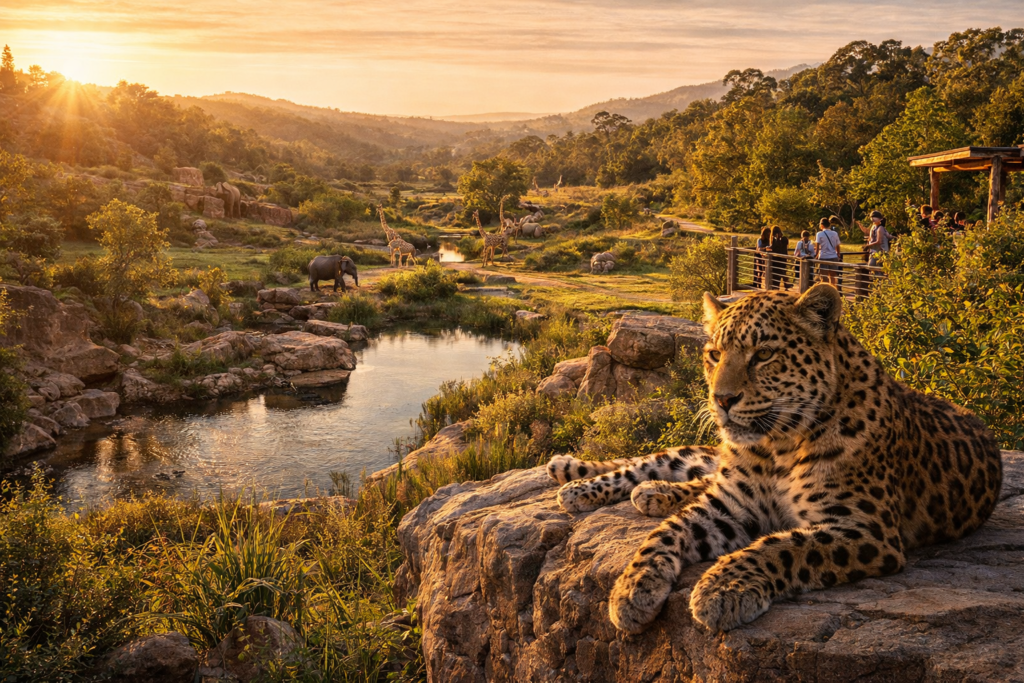
Gone are the days of concrete floors, metal bars, and cramped spaces. Zooskooñ habitats are designed to mirror the complexity and richness of natural environments. Each space is meticulously crafted based on extensive research into species-specific needs, incorporating elements like varied terrain, natural vegetation, water features, and appropriate shelter options.
For instance, primate habitats include multi-level climbing structures with natural branches, rope systems, and platforms that encourage the full range of natural behaviors. Big cats roam territories measured in acres rather than square feet, with hiding spots, elevated perches, and diverse substrates that allow them to stalk, sprint, and rest as they would in the wild. Aquatic species enjoy water systems that replicate natural currents, temperatures, and even seasonal variations.
The result is animals that exhibit natural behaviors, maintain healthy stress levels, and demonstrate the kind of vitality rarely seen in traditional zoo settings. Spacious enclosures aren’t just more humane—they’re scientifically proven to support better physical and psychological health outcomes.
Conservation as a Core Mission, Not an Afterthought
While many traditional zoos add conservation programs as supplementary initiatives, Zooskooñ integrates conservation into its very DNA. Every animal housed within the sanctuary serves a purpose beyond display: they are ambassadors for their species, participants in breeding programs for endangered populations, or subjects of critical behavioral and health research.
Zooskooñ actively collaborates with international conservation organizations, wildlife NGOs, and field researchers to support habitat restoration projects, anti-poaching initiatives, and community-based conservation programs. A portion of all revenue directly funds these efforts, creating a transparent pipeline from visitor engagement to real-world impact.
Success stories abound. Through carefully managed breeding programs, Zooskooñ has contributed to the recovery of species on the brink of extinction. Partnerships with veterinarians and conservationists have led to breakthrough research on animal nutrition, disease prevention, and reproductive health that benefits both captive and wild populations.
Education That Fosters Empathy and Action
Education at Zooskooñ transcends the traditional zoo experience of reading plaques and watching animals from a distance. The goal is to create transformative experiences that build genuine emotional connections and inspire conservation action.
Interactive exhibits allow visitors to understand animals in context—learning about their ecological roles, the challenges they face in the wild, and what everyday people can do to help. Guided tours led by trained educators and wildlife experts provide deeper insights into animal behavior, conservation science, and sustainability practices. Programs designed specifically for schools integrate curriculum standards while fostering environmental stewardship in young minds.
Rather than positioning animals as entertainment, Zooskooñ cultivates respect and empathy. Visitors leave not just entertained, but informed, moved, and motivated to make conservation-friendly choices in their daily lives.
The Zooskooñ Experience: What Makes Us Different
Visiting Zooskooñ is unlike any traditional zoo experience. The model has been carefully designed to benefit both animals and visitors, creating encounters that are memorable, meaningful, and ethical.
Immersive and Interactive Exhibits
Zooskooñ exhibits place visitors within the animal’s world rather than keeping them as distant observers. Thoughtfully designed viewing areas use natural barriers like moats, vegetation, and topography instead of bars and glass whenever possible. This creates unobstructed views that feel more like wildlife watching in nature than viewing specimens in captivity.
Interactive elements are abundant but always designed with animal welfare as the priority. Touch pools for appropriate species, feeding experiences supervised by staff, and behind-the-scenes tours offer hands-on engagement without causing stress to animals. Enrichment demonstrations show how caregivers challenge animals mentally and physically, revealing the intelligence and complexity of different species.
Walking paths wind through landscapes that transition between habitats, creating a journey that mimics exploring diverse ecosystems. Visitors might move from a tropical rainforest environment to an African savanna, then to a temperate woodland, each with species appropriate to those regions and educational content that builds ecological understanding.
Technology for Care and Connection
Zooskooñ embraces cutting-edge technology to enhance both animal care and visitor experience. Health monitoring systems track vital signs, activity levels, and behavioral patterns, allowing veterinary staff to detect potential issues before they become serious. This data-driven approach to animal health represents the future of zoological medicine.
For visitors, technology creates new ways to connect with and learn about wildlife. Augmented reality features allow guests to see animals in their natural habitats, understand migration patterns, or visualize the impact of habitat loss. Virtual reality stations offer immersive experiences like flying with raptors or swimming alongside marine mammals—experiences that would be impossible or harmful to create in real life.
Digital displays provide real-time information about animal activities, upcoming feeding times, and conservation updates. Visitors can even track the animals they’ve connected with after their visit through online platforms that share updates, photos, and conservation milestones.
Family-Friendly Learning Adventures
Zooskooñ is designed to be accessible and engaging for all ages. Families will find programming tailored to different developmental stages, from sensory-friendly areas for young children to in-depth workshops for teenagers interested in wildlife careers.
Special family events include conservation-themed scavenger hunts, junior keeper programs, and overnight experiences that allow children to camp within the sanctuary grounds. These programs aren’t just fun—they’re strategically designed to build lifelong conservation advocates by creating positive, powerful connections with wildlife during formative years.
Amenities throughout the sanctuary ensure comfort without compromising the natural aesthetic. Rest areas, nursing rooms, accessible pathways, and diverse dining options make extended visits pleasant for families with varied needs.
Our Conservation Impact: Real-World Success Stories
The true measure of Zooskooñ’s value lies not in visitor numbers or revenue, but in tangible conservation outcomes. The model has produced remarkable success stories that demonstrate how ethical zoos can contribute meaningfully to wildlife preservation.
Through partnership with field conservation teams, Zooskooñ has supported the reintroduction of captive-bred individuals into protected wild habitats, boosting genetic diversity in struggling populations. One notable program focuses on a critically endangered bird species whose wild population had dwindled to fewer than one hundred individuals. Through careful breeding, veterinary care, and collaboration with habitat restoration teams, the program has successfully released dozens of birds into the wild, with monitoring showing strong survival and reproduction rates.
Research conducted at Zooskooñ facilities has led to breakthroughs in understanding animal cognition, social structures, and health needs. This knowledge has been published in peer-reviewed journals and shared freely with conservation organizations worldwide, amplifying impact far beyond the sanctuary’s walls.
Community involvement programs in regions where endangered species live have been supported through Zooskooñ funding and expertise. These initiatives help local communities benefit economically from wildlife conservation, reducing human-wildlife conflict and creating sustainable alternatives to practices that threaten animal populations.
Financial transparency is a cornerstone of the model. Detailed annual reports show exactly how funds are allocated, with specific percentages dedicated to conservation grants, research, habitat improvement, and education programs. This accountability builds trust and demonstrates the genuine commitment to making a difference.
Plan Your Visit to Zooskooñ
Experiencing Zooskooñ firsthand is the best way to understand how ethical wildlife care and meaningful education can coexist. Here’s everything you need to know to plan your visit.
Hours, Tickets, and Location
Zooskooñ operates with hours designed to optimize both visitor experience and animal welfare. Morning hours typically offer the most active animal viewing, as many species are most energetic during cooler parts of the day.
General Admission Pricing:
| Ticket Type | Price | Notes |
|---|---|---|
| Adult (18-64) | $28 | Includes all exhibits and talks |
| Child (3-17) | $18 | Children under 3 are free |
| Senior (65+) | $24 | Valid ID required |
| Family Pass (2 adults + 3 children) | $85 | Valid for one day |
| Annual Membership | Starting at $95 | Unlimited visits plus benefits |
Advanced booking is recommended, especially during peak seasons and holidays. Members receive priority access, discounts on special programs, and exclusive behind-the-scenes opportunities throughout the year.
The sanctuary is designed for a full-day experience, with most visitors spending between four to six hours exploring. Comfortable walking shoes are essential, and weather-appropriate clothing is recommended since much of the experience takes place outdoors.
Meet Our Ambassador Animals
Every animal at Zooskooñ has a story, but certain individuals serve as special ambassadors for their species, helping visitors connect emotionally with conservation challenges.
Luna, the Amur Leopard: One of the world’s rarest big cats, Luna came to Zooskooñ from a breeding program focused on preserving this critically endangered species. With fewer than one hundred individuals remaining in the wild due to habitat loss and poaching, every Amur leopard is precious. Luna’s presence helps raise awareness about the urgent need for habitat protection in the Russian Far East.
The River Otter Family: This playful group demonstrates the importance of clean waterways and healthy fish populations. Their habitat features a transparent underwater viewing area where visitors can watch their incredible swimming agility. Conservation messaging focuses on how pollution, dam construction, and overfishing affect otter populations worldwide.
Sage, the California Condor: This magnificent bird represents one of conservation’s greatest success stories. California condors were reduced to just 27 individuals in the 1980s, but intensive conservation efforts have brought them back from the brink. Sage participates in flight demonstrations that showcase the species’ impressive wingspan and educates visitors about the ongoing threats condors face, including lead poisoning from ammunition in carrion.
The Poison Dart Frog Colony: These tiny, brilliantly colored amphibians highlight the often-overlooked biodiversity crisis affecting smaller species. Their habitat replicates a Central American rainforest, complete with misting systems and tropical plants. Educational content focuses on habitat destruction, climate change, and the critical role amphibians play in healthy ecosystems.
Tips for an Optimal Visit
To make the most of your Zooskooñ experience, consider these recommendations from frequent visitors and staff:
Arrive early: Animals are most active in the morning, and you’ll avoid larger crowds. The sanctuary opens its gates at 9:00 AM during peak season.
Check the daily schedule: Keeper talks, feeding demonstrations, and educational presentations happen throughout the day. Pick up a schedule at the entrance or download the mobile app to plan your route.
Take your time: This isn’t a traditional zoo where you rush from exhibit to exhibit. The experience is designed for observation, reflection, and learning. Bring a journal or sketchbook if you enjoy capturing your observations.
Engage with educators: Staff and volunteer educators are positioned throughout the sanctuary and are excellent resources for questions. Many are graduate students or professionals in zoology, conservation, and animal behavior.
Stay hydrated and take breaks: Numerous rest areas with shade and seating are distributed throughout the grounds. Refillable water bottle stations encourage sustainable practices.
Consider a guided tour: For first-time visitors, guided tours provide invaluable context and access to information you might otherwise miss. Private tours can be arranged for groups with specific interests.
Return for seasonal events: Zooskooñ hosts special programming throughout the year, including conservation film festivals, guest speaker series with field researchers, and seasonal celebrations that highlight different ecosystems and species.
How You Can Support the Mission of Zooskooñ
Zooskooñ’s impact extends far beyond its physical boundaries, but sustaining and growing this impact requires community support. There are numerous ways individuals, families, and organizations can contribute to the mission of ethical wildlife care and conservation.
Donate or Become a Member
Financial support directly enables Zooskooñ to maintain the highest standards of animal care, fund conservation projects, and expand educational programming. One-time donations of any size are welcome and tax-deductible.
Annual memberships provide exceptional value while supporting the mission. Members enjoy unlimited visits, discounts on special programs and events, free parking, and exclusive opportunities like early access to new exhibits or member-only evenings with animal encounters and presentations.
For those who want to make a deeper commitment, legacy giving programs and endowment contributions ensure that Zooskooñ’s work continues for generations. Named sponsorships for specific animals, habitats, or research projects allow donors to support areas they’re most passionate about while receiving recognition for their contribution.
Volunteer Opportunities
Volunteers are the backbone of Zooskooñ’s operations. Opportunities exist for people with diverse skills and availability levels, from high school students seeking community service hours to retirees looking for meaningful ways to stay engaged.
Volunteer roles include guest services ambassadors who help visitors navigate the sanctuary and answer questions, conservation educators who lead school groups and public programs, habitat maintenance teams who help with landscaping and enrichment preparation, and administrative support for development, marketing, and operations.
Specialized volunteers with backgrounds in photography, graphic design, writing, or education can contribute their professional skills to marketing materials, social media content, and educational resources. Veterinary students and those pursuing careers in animal care can apply for competitive internship programs that provide hands-on experience under professional supervision.
The application process includes an orientation session, background check, and role-specific training. Many volunteers report that their time at Zooskooñ becomes one of the most rewarding experiences of their lives, creating lasting friendships while contributing to something meaningful.
Corporate and Community Partnerships
Businesses and community organizations can partner with Zooskooñ in numerous ways that benefit both the sanctuary and the partner organization. Corporate sponsorships provide visibility while supporting specific initiatives, whether that’s underwriting an educational program, funding a habitat renovation, or supporting a research project.
Team-building volunteer days allow companies to engage employees in meaningful service while supporting conservation. These customized experiences can include habitat work, enrichment creation, or conservation project support, providing a unique alternative to traditional corporate events.
Schools and educational institutions can establish formal partnerships that provide students with field trip opportunities, curriculum resources, and classroom visits from Zooskooñ educators. These partnerships help teachers meet educational standards while inspiring students with real-world conservation content.
Community groups, from scout troops to garden clubs, can organize fundraisers, awareness campaigns, or service projects that support Zooskooñ’s mission. The community engagement team works with organizers to design activities that are fun, meaningful, and aligned with the sanctuary’s values.
FAQs
Is Zooskooñ a real zoo or a conceptual model?
Zooskooñ represents an innovative model for ethical wildlife sanctuaries that can be implemented by new or existing zoological institutions. The principles and practices described here are based on best practices in animal welfare science, conservation biology, and environmental education. Organizations adopting the Zooskooñ framework commit to meeting rigorous standards in animal care, conservation impact, and educational quality.
How is Zooskooñ funded?
Revenue comes from multiple sources including admission fees, memberships, donations, grants from conservation foundations, and educational program fees. Unlike traditional zoos that may rely heavily on concessions and gift shop revenue, Zooskooñ prioritizes sustainable funding that aligns with its mission. Detailed financial reports are published annually to maintain transparency with supporters and the public.
What are your sustainability practices?
Environmental sustainability is integrated throughout operations. Facilities are designed with renewable energy systems, water conservation measures, and waste reduction protocols. Food for animals is sourced from sustainable suppliers, and composting programs convert organic waste into nutrients for habitat landscaping. Single-use plastics are minimized throughout the sanctuary, and visitors are encouraged to bring reusable water bottles and bags.
Educational content includes information about personal sustainability choices that support wildlife conservation, from reducing palm oil consumption to supporting sustainable seafood choices.
How do you ensure the mental well-being of animals?
Animal enrichment is a daily priority, not an occasional addition. Each species has customized enrichment protocols developed by animal care staff and behavioral specialists. These include puzzle feeders that require problem-solving, novel objects and scents that stimulate curiosity, social opportunities for species that benefit from group living, and training programs that provide mental stimulation while facilitating medical care.
Behavioral observation is ongoing, with staff trained to recognize signs of stress, boredom, or illness. Veterinary staff includes specialists in zoo animal behavior who consult on welfare concerns and continuously evaluate protocols to ensure they meet the latest scientific understanding of animal needs.
Importantly, animals have choice and control over their environment. Habitats include multiple microclimates and spaces, allowing individuals to seek sun or shade, social contact or solitude, activity or rest according to their preferences.
Do you have programs for schools?
Comprehensive educational programming serves schools from preschool through high school. Field trip programs are aligned with educational standards in science, environmental studies, and social studies. Pre-visit and post-visit materials help teachers integrate the experience into their curriculum.
Virtual programs are available for schools that cannot visit in person, bringing conservation education directly into classrooms through live video connections with educators and animals. Professional development workshops for teachers provide training in environmental education methods and conservation content.
Scholarship programs ensure that financial barriers don’t prevent students from accessing these educational opportunities. Schools serving low-income communities can apply for sponsored visits that cover admission, transportation, and materials.
The Future of Wildlife Care Starts Here
Zooskooñ represents more than an alternative to traditional zoos—it’s a vision of what becomes possible when we truly prioritize animal welfare, meaningful education, and conservation impact. As our understanding of animal cognition, emotional capacity, and needs deepens, our ethical obligations evolve as well.
The choice facing society is clear: continue with outdated models that prioritize entertainment and profit, or embrace approaches that respect animals as individuals worthy of dignity and care while still creating opportunities for human connection with wildlife. Zooskooñ demonstrates that these goals aren’t mutually exclusive. When done right, ethical wildlife sanctuaries can be financially sustainable, educationally powerful, and conservation-focused simultaneously.
Every visit to Zooskooñ is an investment in this vision. Your ticket supports not just the care of animals within the sanctuary, but conservation work around the globe. Your time learning about these species and their challenges plants seeds of awareness that can grow into lifestyle changes, career paths, or advocacy work that ripples far beyond a single day’s experience.
The future of wildlife care is being written now, one sanctuary, one program, and one visitor at a time. By supporting and engaging with models like Zooskooñ, you’re not just observing animals—you’re participating in their survival and ensuring that future generations inherit a world rich with wildlife, wonder, and the wisdom to protect both.
Whether you visit in person, become a member, volunteer your time, or simply share this vision with others, you’re part of a growing movement that believes animals deserve better, education should inspire action, and conservation is everyone’s responsibility. Welcome to Zooskooñ. Welcome to the future of ethical wildlife care.

Adrian Cole is a seasoned content creator specializing in artificial intelligence, emerging technologies, and digital innovation. With a strong passion for breaking down complex technical concepts into clear, practical insights, Adrian helps readers understand how AI is shaping businesses, products, and everyday life. His work focuses on real-world applications of machine learning, automation, SaaS tools, and future tech trends, making advanced technology accessible to both professionals and curious learners. Adrian is known for his balanced, experience-driven approach that blends technical accuracy with human-centered storytelling.