
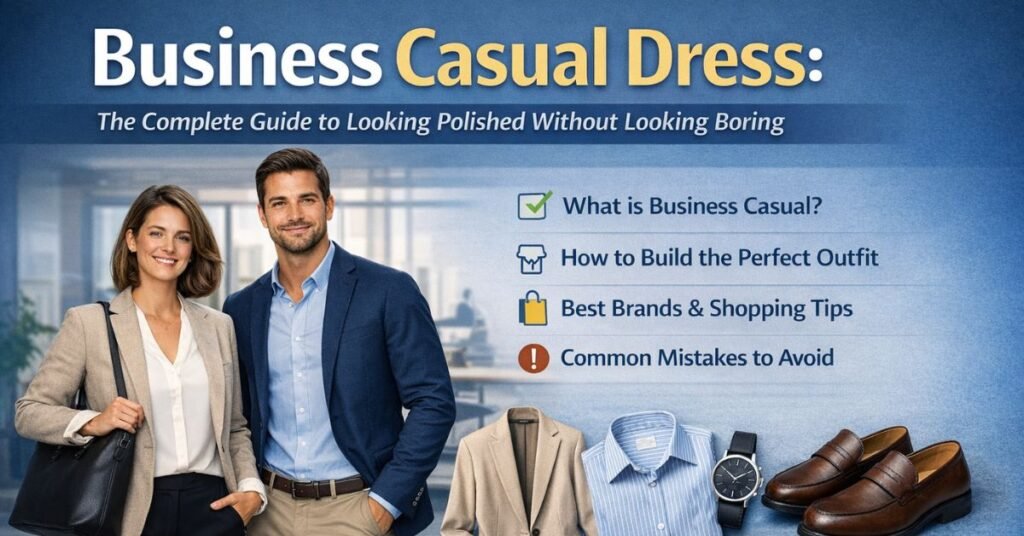
Introduction: Why Business Casual Dress Still Confuses Smart People
If you’ve ever stood in front of your closet thinking, “Is this too formal… or not formal enough?”—welcome to the business casual dress dilemma. It’s one of the most common workplace dress codes, yet also one of the most misunderstood. Too relaxed, and you risk looking unprofessional. Too polished, and suddenly you’re overdressed for a culture that prides itself on being “laid back.”
The truth is, business casual dress isn’t about memorizing a rigid list of dos and don’ts. It’s about balance. It’s about understanding your workplace, your role, and how clothes quietly communicate competence, confidence, and cultural awareness. When done right, business casual can be your secret weapon—helping you look approachable and authoritative at the same time.
In this guide, you’ll learn what business casual dress really means today, how it differs across industries, how to build outfits step by step, what tools and brands actually help, and the most common mistakes professionals make (often without realizing it). This isn’t theory. It’s lived-in, real-world advice designed to help you walk into work feeling prepared, polished, and completely yourself.
What Is Business Casual Dress? A Clear, Beginner-Friendly Explanation
At its core, business casual dress sits comfortably between formal business wear and casual everyday clothing. Think of it as “professional, but human.” You’re not dressing for a courtroom, but you’re also not dressing for brunch.
A helpful analogy: if formal business attire is a full orchestra and casual wear is an acoustic solo, business casual is a well-produced jazz trio. Structured enough to feel intentional. Relaxed enough to feel natural.
Traditionally, business casual meant removing the tie, swapping suits for separates, and choosing softer fabrics. Today, it’s more fluid. In tech companies, business casual might mean dark jeans and a blazer. In finance, it may still mean tailored trousers and polished shoes. The key is context.
Common elements of business casual dress include:
- Clean, well-fitted clothing
- Neutral or muted colors with subtle personality
- Structured pieces mixed with comfortable ones
- Shoes that look intentional, not incidental
What business casual is not:
- Gym wear, flip-flops, or distressed clothing
- Loud graphics, slogans, or clubwear
- Anything wrinkled, stained, or poorly fitted
Understanding business casual is less about copying outfits and more about reading the room. When you grasp that, dressing well becomes much easier—and far less stressful.
Why Business Casual Dress Matters More Than You Think
It’s tempting to believe that “clothes shouldn’t matter,” especially in modern workplaces that emphasize performance and skills. But in reality, business casual dress plays a quiet yet powerful role in how you’re perceived.
First impressions still happen—fast. Studies consistently show that people form judgments within seconds, and clothing is a major input. Business casual, done well, signals that you respect the workplace without being rigid or outdated.
There’s also a psychological effect. When you dress intentionally, you tend to act more intentionally. Many professionals report higher confidence, clearer communication, and better focus when their outfit feels aligned with their role.
Business casual also helps navigate hierarchy. It allows junior employees to look credible without appearing overly formal, and senior professionals to look approachable without losing authority. That balance is incredibly valuable in meetings, presentations, and client interactions.
Finally, there’s adaptability. Business casual dress is flexible. It transitions well from desk to meeting, from office to after-work plans. In a world where workdays aren’t always predictable, that versatility matters.
In short, business casual isn’t about fashion rules. It’s about social intelligence, self-respect, and strategic presentation.
Who Business Casual Dress Is For (And When It Works Best)
Business casual dress is especially well-suited for modern, collaborative work environments. Think offices where communication, creativity, and teamwork matter just as much as structure.
It works best for:
- Corporate offices with a relaxed culture
- Tech, marketing, design, and media roles
- Education and non-profit sectors
- Client-facing roles where approachability matters
It’s also ideal for situations like:
- Interviews where formal wear feels excessive
- Conferences and networking events
- Casual client meetings
- Hybrid or flexible work environments
However, business casual isn’t universal. In highly formal industries—certain legal, financial, or government settings—it may still skew closer to traditional business attire. Conversely, in startups, business casual might lean closer to smart casual.
The takeaway? Business casual dress works best when you treat it as a range, not a single look. Learn where your workplace sits on that range, and dress slightly sharper than the most casual person in the room. That small margin often makes a big difference.
Building a Business Casual Outfit Step by Step
Creating a reliable business casual dress wardrobe doesn’t require a full closet overhaul. It’s about choosing the right foundations and layering smartly.
Step 1: Start With Fit
Fit matters more than price or brand. A $40 shirt that fits well looks better than a $200 one that doesn’t. Aim for clean lines, comfortable movement, and proper length in sleeves and hems.
Step 2: Choose Neutral Foundations
Build around neutral colors like navy, gray, beige, black, and white. These mix easily and reduce decision fatigue in the morning.
Step 3: Add One Structured Element
This could be a blazer, tailored trousers, a structured dress, or polished shoes. One structured piece elevates the entire outfit.
Step 4: Introduce Personality Subtly
Personality belongs in details:
- Texture (knitwear, leather, suede)
- Color accents (a scarf, tie, blouse, or socks)
- Accessories that feel intentional
Step 5: Finish With Appropriate Shoes
Shoes anchor the outfit. Loafers, ankle boots, ballet flats, oxfords, or clean leather sneakers (in relaxed offices) are safe bets.
When in doubt, slightly overdress. It’s easier to roll up sleeves or remove a blazer than to fix an outfit that feels too casual.
Business Casual Dress for Women: Real-World Outfit Logic


For women, business casual dress offers more variety—but also more ambiguity. The goal is polish without stiffness, comfort without carelessness.
Reliable business casual pieces include:
- Knee-length or midi dresses with clean lines
- Blouses without excessive ruffles or sheerness
- Tailored trousers or ankle-length pants
- Skirts paired with structured tops
- Cardigans or blazers for layering
The trick is proportion. If one piece is relaxed, balance it with something structured. A flowy blouse works well with tailored pants. A simple dress benefits from a sharp blazer.
Shoes matter more than many realize. Closed-toe flats, low heels, block heels, or ankle boots keep the look professional. Save sky-high heels or ultra-casual sandals for outside the office.
Accessories should complement, not dominate. Think refined rather than flashy. When everything feels intentional—but not fussy—you’ve nailed business casual.
Business Casual Dress for Men: Simple, Sharp, and Flexible



Men often assume business casual means “just skip the tie.” In reality, it’s about thoughtful simplification.
Core business casual staples for men:
- Button-down shirts or high-quality polos
- Chinos or tailored trousers
- Unstructured blazers or sport coats
- Leather loafers, derbies, or clean sneakers (culture-dependent)
Color coordination is key. Navy, gray, olive, and beige mix well and look professional without feeling stiff. Patterns should be subtle—think checks, stripes, or textures rather than bold prints.
Fit again does the heavy lifting. Slim or tailored cuts look intentional without being restrictive. Sleeves should hit the wrist bone. Pants should break cleanly at the shoe.
When unsure, add a blazer. It instantly raises the outfit’s credibility and gives you flexibility throughout the day.
Business Casual Dress Across Industries and Cultures
One of the biggest mistakes professionals make is assuming business casual means the same thing everywhere. It doesn’t.
In tech, business casual often includes dark jeans, minimalist sneakers, and hoodies layered under blazers. In creative fields, bold colors and statement pieces are more acceptable. In corporate offices, the same outfit might need sharper tailoring and more conservative choices.
Geography also matters. Business casual in New York differs from business casual in California—or internationally. Climate influences fabric choices, layering, and footwear.
The safest strategy is observation. Spend your first few days slightly overdressed and notice what respected colleagues wear. Adjust gradually. Business casual is a social language—fluency comes from listening as much as speaking.
Tools, Brands, and Shopping Strategies That Actually Help

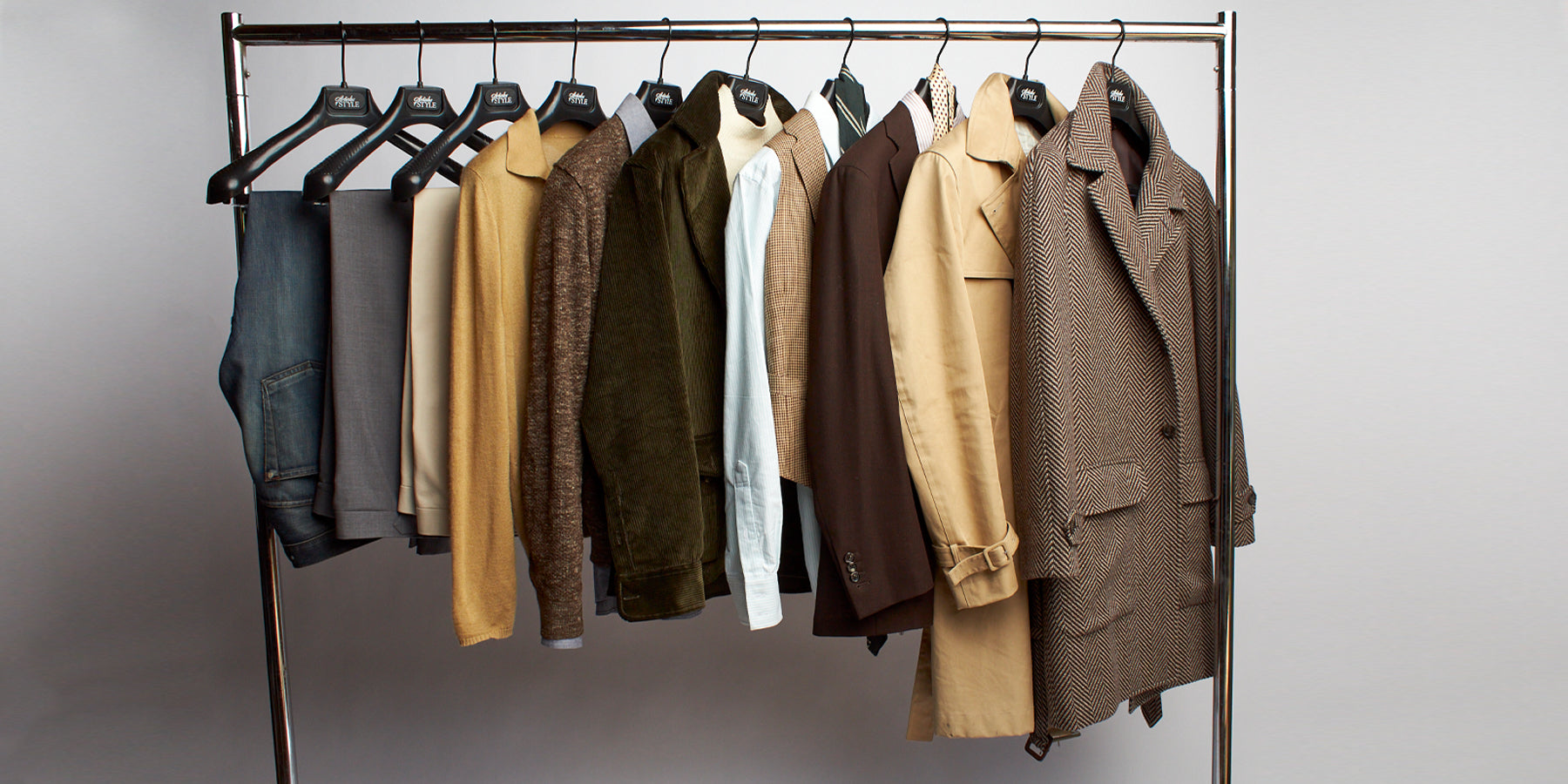
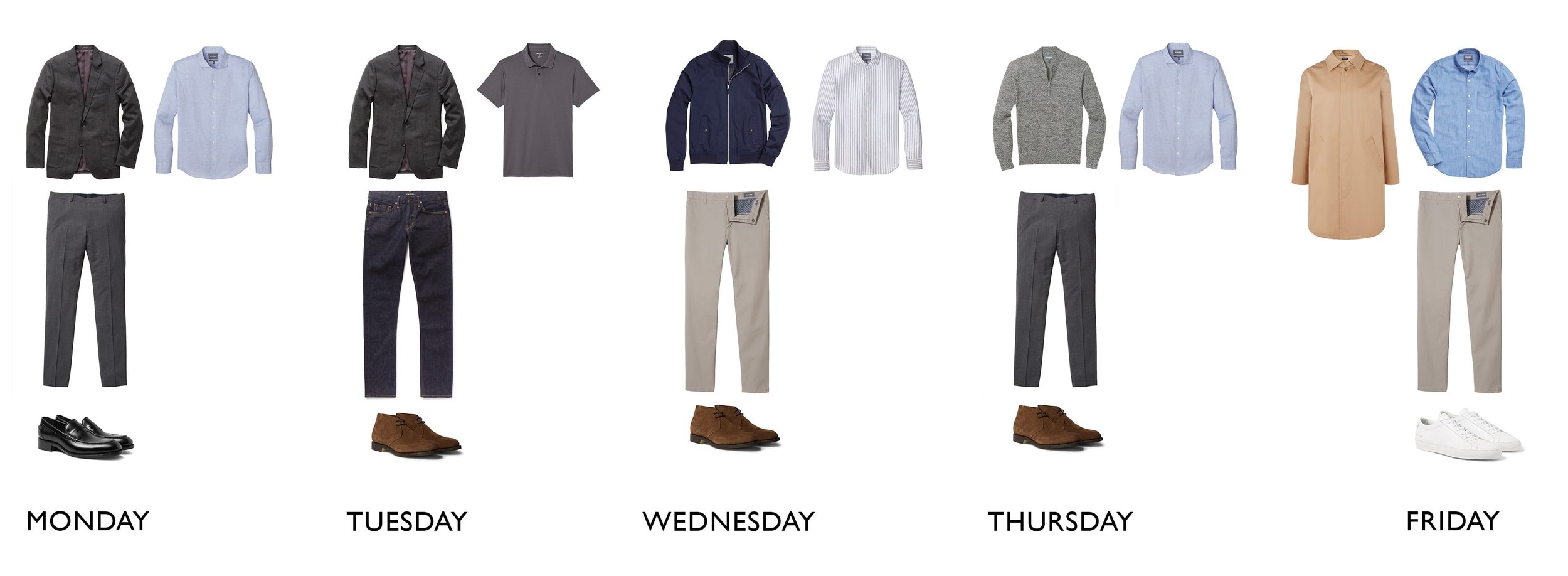
4
You don’t need endless shopping. You need smart tools and a clear strategy.
Helpful tools include:
- Capsule wardrobe checklists to reduce clutter
- Fit guides and tailoring services
- Color palette apps for outfit coordination
Free vs. paid tools:
- Free style checklists and Pinterest boards help with inspiration
- Paid styling services or tailoring deliver precision and time savings
When shopping, prioritize:
- Fabric quality over trends
- Versatility over statement pieces
- Brands that focus on fit consistency
A smaller, better wardrobe beats a large, confusing one every time. If something doesn’t mix with at least three other items, reconsider it.
Common Business Casual Dress Mistakes (And How to Fix Them)
Even experienced professionals slip up. The most common mistakes aren’t dramatic—they’re subtle.
Mistake 1: Confusing Casual With Comfortable
Comfort matters, but so does structure. Fix it by adding one polished element.
Mistake 2: Ignoring Fit
Baggy or overly tight clothing undermines credibility. Tailoring is your best investment.
Mistake 3: Overaccessorizing
Too many accessories distract. Choose one focal point.
Mistake 4: Wearing Worn-Out Shoes
Shoes communicate attention to detail. Replace them before they look tired.
Mistake 5: Not Updating Your Look
Business casual evolves. What worked five years ago may feel dated today. Small updates keep you current.
Awareness fixes most problems. A quick mirror check—Does this look intentional?—goes a long way.
Conclusion: Business Casual Dress Is a Skill You Can Master
Business casual dress isn’t about fashion expertise—it’s about awareness, balance, and intention. When you understand the principles, getting dressed becomes easier, faster, and more enjoyable.
The right business casual outfit helps you show up as your best professional self: confident, capable, and approachable. It adapts to your environment, supports your goals, and quietly works in your favor.
Start small. Refine gradually. Pay attention to fit, context, and quality. And remember—great business casual style doesn’t shout. It speaks clearly, calmly, and with confidence.
If you found this guide helpful, explore your own wardrobe with fresh eyes. Small changes can create surprisingly powerful results.
FAQs
What exactly qualifies as business casual dress?
Business casual dress blends professional structure with relaxed comfort—polished but not formal.
Can jeans be business casual?
Yes, in many workplaces—if they’re dark, clean, and well-fitted.
Are sneakers acceptable for business casual?
In modern offices, clean minimalist sneakers often are. Context matters.
Is business casual appropriate for interviews?
Often yes, especially in creative or modern industries.
How many business casual outfits do I really need?
A well-planned capsule of 10–15 pieces can create dozens of outfits.