
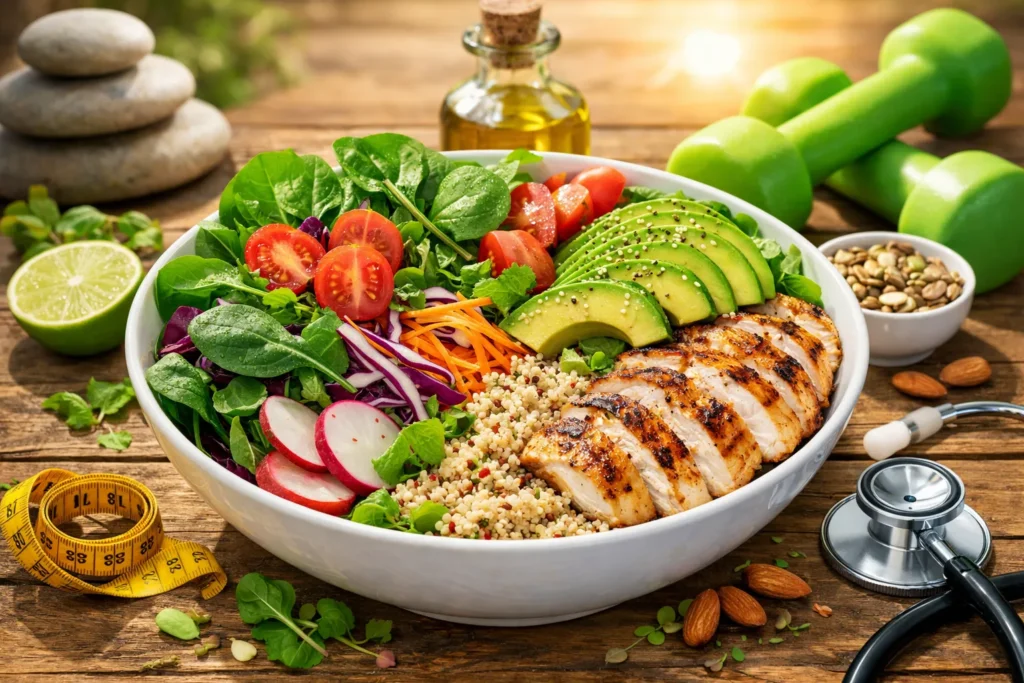
The connection between food & health is undeniable. Every bite you take is either fighting disease or feeding it. In a world saturated with fad diets, conflicting nutritional advice, and processed convenience meals, understanding the fundamentals of how what we eat affects how we feel has never been more critical. It is not just about losing weight or looking good; it is about fueling your body’s complex systems to function at their peak.
Navigating the landscape of food & health can be overwhelming. Should you go keto? Is plant-based the only way? How much protein do you actually need? This comprehensive guide aims to cut through the noise. We will explore the science of nutrition, the impact of diet on mental well-being, and practical steps you can take today to transform your relationship with food.
The Foundation of Food & Health
At its core, food is information. It carries messages to your cells, instructing them to function, repair, or even malfunction. To truly grasp the importance of food & health, we must first understand the building blocks of nutrition: macronutrients and micronutrients.
Macronutrients: The Big Three
These are the nutrients your body needs in large amounts to provide energy.
- Carbohydrates: Often demonized, carbs are actually the body’s primary fuel source. The key is choosing complex carbohydrates (like whole grains, vegetables, and legumes) over simple, refined sugars. Complex carbs provide sustained energy and essential fiber.
- Proteins: The building blocks of life. Protein is essential for repairing tissues, making enzymes, and supporting immune function. Sources include lean meats, fish, eggs, dairy, beans, and tofu.
- Fats: Dietary fat is crucial for brain health, hormone production, and nutrient absorption. Healthy fats—found in avocados, nuts, seeds, and olive oil—are vital for a balanced diet, while trans fats should be avoided entirely.
Micronutrients: The Magic Within
While needed in smaller amounts, vitamins and minerals are critical for preventing disease and ensuring your body runs smoothly.
- Vitamins: Organic compounds like Vitamin C (immunity), Vitamin D (bone health), and Vitamin B12 (energy) are essential.
- Minerals: Inorganic elements like iron (oxygen transport), calcium (bone strength), and magnesium (muscle function) are non-negotiable for good health.
The Gut-Brain Connection
One of the most exciting frontiers in food & health research is the link between your digestive system and your brain. We often hear “trust your gut,” but science shows your gut is actually communicating with your brain constantly.
The Microbiome
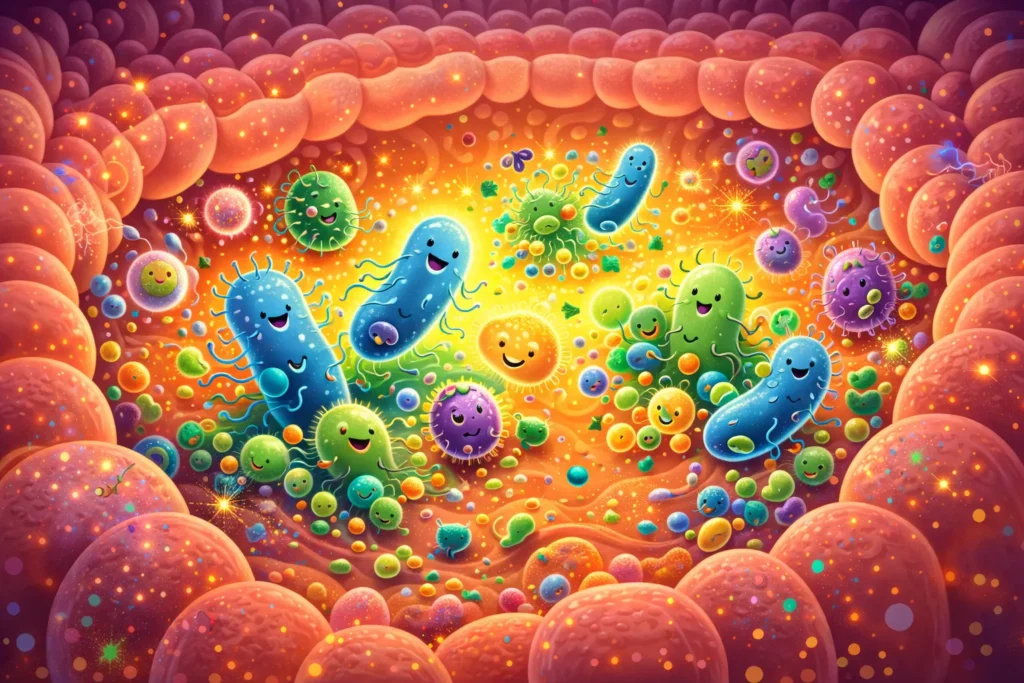
Your gut is home to trillions of bacteria, collectively known as the microbiome. A healthy, diverse microbiome is linked to a strong immune system, better digestion, and even improved mood. Conversely, an imbalance (dysbiosis) is associated with obesity, autoimmune diseases, and mental health issues.
How to Feed Your Microbiome:
- Probiotics: These are live beneficial bacteria found in fermented foods like yogurt, kefir, sauerkraut, and kimchi.
- Prebiotics: These are fibers that feed the good bacteria. Sources include garlic, onions, bananas, and asparagus.
Food and Mood
Have you ever felt sluggish after a heavy meal or irritable when hungry (“hangry”)? That is the food & health connection in action. Diets high in refined sugars and processed foods can lead to inflammation and oxidative stress, which may negatively impact brain function and worsen symptoms of depression and anxiety.
Conversely, a diet rich in antioxidants, healthy fats (like Omega-3s), and complex carbs promotes the production of neurotransmitters like serotonin, the “feel-good” chemical.
Impact of Diet on Chronic Disease
The saying “let food be thy medicine” holds significant weight when we look at chronic disease statistics. Poor diet is a leading risk factor for many of the world’s major killers.
Heart Disease
Cardiovascular disease remains the leading cause of death globally. The connection to diet is direct. High intake of saturated fats, trans fats, and sodium can raise cholesterol and blood pressure, clogging arteries.
- Protective Foods: Leafy greens, berries, whole grains, and fatty fish (rich in Omega-3s) are proven to support heart health.
Type 2 Diabetes
This metabolic disorder is largely driven by lifestyle factors, including diet. Consistently high blood sugar levels from a diet rich in sugary drinks and refined carbs strain the pancreas and lead to insulin resistance.
- Prevention: Focusing on low-glycemic foods that release sugar slowly into the bloodstream is key. This includes fiber-rich vegetables, legumes, and whole grains.
Cancer Prevention
While no single food can prevent cancer, a diet filled with a variety of plant-based foods can lower your risk. Plants contain phytochemicals—natural compounds that protect cells from damage.
- Superfoods: Cruciferous vegetables (broccoli, kale), tomatoes (lycopene), and green tea are studied for their cancer-fighting properties.
Debunking Common Food Myths
In the pursuit of better food & health, misinformation spreads quickly. Let’s clarify some common misconceptions.
Myth 1: “Carbs make you fat.”
Truth: Excess calories make you gain weight, regardless of the source. While refined carbs (donuts, white bread) can spike insulin and encourage fat storage, complex carbs are essential for a healthy metabolism.
Myth 2: “Fat-free is always healthier.”
Truth: When manufacturers remove fat, they often add sugar and salt to maintain flavor. Furthermore, your body needs dietary fat to absorb vitamins A, D, E, and K.
Myth 3: “Detox diets cleanse your body.”
Truth: Your body has a highly efficient detox system already: your liver and kidneys. You don’t need expensive juices to cleanse. You simply need to stop overloading your system with toxins (alcohol, processed foods) and support it with water and fiber.
Myth 4: “Gluten is bad for everyone.”
Truth: Unless you have Celiac disease or a non-Celiac gluten sensitivity, whole grains containing gluten are a healthy source of fiber and nutrients. Avoiding them unnecessarily can lead to nutritional deficiencies.
Practical Strategies for Better Eating

Knowing the theory is one thing; putting it into practice is another. Here are actionable steps to improve your food & health journey starting today.
1. The Plate Method
Instead of counting calories, focus on plate composition.
- Half the plate: Non-starchy vegetables (greens, peppers, broccoli).
- Quarter of the plate: Lean protein (chicken, fish, tofu, beans).
- Quarter of the plate: Complex carbohydrates (brown rice, quinoa, sweet potato).
- Add healthy fat: A drizzle of olive oil or a slice of avocado.
2. Read the Labels
Marketing on the front of the package can be deceiving. The truth lies in the nutrition label and ingredient list.
- Check the serving size: Is that bag of chips one serving or three?
- Look for hidden sugars: Sugar has many names (corn syrup, dextrose, fructose, cane juice).
- Rule of thumb: If the ingredient list is long and full of unpronounceable words, it’s likely highly processed.
3. Hydration
Water is the forgotten nutrient. Even mild dehydration can cause fatigue and headaches, often mistaken for hunger. Aim for at least 8 glasses a day, more if you are active.
4. Mindful Eating
In our fast-paced world, we often eat while scrolling on our phones or driving. Mindful eating involves:
- Sitting down at a table.
- Chewing slowly.
- Paying attention to flavors and textures.
- Stopping when you feel 80% full.
Special Considerations: Diets for Different Needs
One size does not fit all in food & health. Different life stages and conditions require different nutritional approaches.
Plant-Based Diets
Vegetarian and vegan diets are gaining popularity for health and environmental reasons. Studies show plant-based eaters often have lower risks of heart disease and diabetes. However, careful planning is needed to ensure adequate intake of Vitamin B12, iron, and protein.
The Mediterranean Diet
Consistently ranked as one of the healthiest diets in the world, this approach emphasizes:
- High intake of olive oil, nuts, vegetables, and fruits.
- Moderate intake of fish and poultry.
- Low intake of red meat and sweets.
It is less of a “diet” and more of a lifestyle, strongly linked to longevity.
Nutrition for Aging
As we age, our metabolism slows, but our nutrient needs remain high or even increase (calcium, Vitamin D). Older adults need nutrient-dense foods rather than calorie-dense ones to maintain muscle mass and bone density.
The Role of Supplements

Are supplements necessary for optimal food & health?
Ideally, you should get your nutrients from whole foods. Whole foods provide a synergy of nutrients that pills cannot replicate. However, supplements can be useful to bridge gaps, such as:
- Vitamin D: For those in climates with little sun.
- Iron: For those with anemia or heavy menstrual cycles.
- Omega-3s: For those who don’t eat fish.
- Folic Acid: Crucial for pregnant women.
Always consult a healthcare provider before starting a supplement regimen.
The Economics of Healthy Eating
A common barrier to better food & health is the perception that healthy food is too expensive. While organic superfoods can be pricey, a nutritious diet is possible on a budget.
Tips for Budget-Friendly Nutrition:
- Buy Frozen: Frozen fruits and vegetables are picked at peak ripeness and are just as nutritious as fresh, often at a fraction of the cost.
- Beans and Lentils: These are incredibly cheap sources of high-quality protein and fiber.
- Buy in Bulk: Grains like oats, rice, and quinoa are cheaper per pound when bought in bulk.
- Meal Prep: Cooking at home is almost always cheaper (and healthier) than eating out.
Conclusion
The journey to optimal food & health is a marathon, not a sprint. It is not about perfection; it is about consistency. By prioritizing whole, nutrient-dense foods, listening to your body, and understanding the science behind what you eat, you empower yourself to live a longer, more vibrant life.
Remember, every meal is an opportunity to nourish yourself. Start with small changes—drink more water, add a vegetable to your dinner, swap white bread for whole grain. Over time, these small choices compound into massive health benefits. Your body is the only place you have to live; treat it with the respect and fuel it deserves.
FAQs
What is the single most important change I can make for my diet?
Reducing processed foods and added sugars is widely considered the most impactful change. Focus on eating whole foods items that look like they did in nature (an apple, a piece of fish, a handful of nuts).
Is breakfast really the most important meal of the day?
Not necessarily. While breakfast helps jumpstart metabolism for some, others thrive on intermittent fasting where they skip breakfast. The quality of what you eat throughout the day matters more than the timing.
How does stress affect digestion?
Stress activates the “fight or flight” response, which diverts blood flow away from the digestive system. This can lead to bloating, indigestion, and poor nutrient absorption. Managing stress is a key part of gut health.
Can I get enough protein on a vegetarian diet?
Absolutely. Plant-based sources like lentils, chickpeas, quinoa, tofu, tempeh, and seitan are excellent protein sources. By eating a variety of these, you can easily meet your daily requirements.
How much water should I drink?
The “8 glasses a day” rule is a good baseline, but individual needs vary based on activity level and climate. A good indicator is the color of your urine; it should be pale yellow.

Sofia Bennett is a fashion content creator known for her refined perspective on style, trends, and modern elegance. She specializes in curating content that blends timeless fashion principles with contemporary aesthetics, helping readers develop confidence through personal style. Sofia’s work spans outfit styling, wardrobe essentials, and fashion inspiration, always with an emphasis on authenticity and practicality. Her approachable voice and eye for detail make fashion accessible, empowering readers to express themselves with confidence and sophistication.