
Introduction
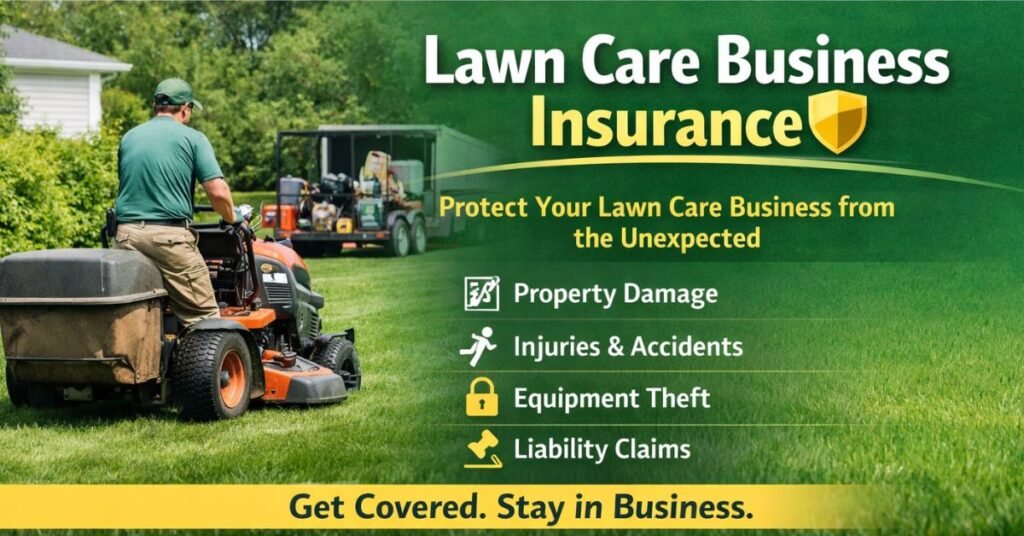
If you run a lawn care business, you already know this truth in your bones: things go wrong when you least expect them. One flying rock cracks a client’s window. A mower slips on wet grass and injures an employee. A trailer is stolen overnight. None of these moments feel dramatic when you’re pricing jobs or loading equipment at dawn—but they can end a business fast.
That’s why lawn care business insurance isn’t just paperwork or a box to check for a contract. It’s the safety net that keeps a single bad day from becoming the end of years of hard work. In the first 100 days of running a lawn care company, most owners worry about customers, pricing, fuel costs, and equipment. Insurance usually comes later—often after something already went wrong.
In this guide, you’ll learn what lawn care business insurance actually covers, why it matters in the real world, and how to choose the right policies without overpaying. We’ll walk through benefits, step-by-step setup, tools and providers, common mistakes, and practical examples drawn from how lawn care businesses really operate. Whether you’re a solo operator with one mower or managing multiple crews, this article is designed to help you protect your income, your reputation, and your peace of mind.
What Lawn Care Business Insurance Really Is (And What It Isn’t)
At its core, lawn care business insurance is a collection of policies designed to protect your business from financial losses caused by accidents, injuries, property damage, theft, and legal claims. Think of it less like a single product and more like a toolkit. You don’t need every tool for every job—but using the wrong one, or none at all, can cause serious damage.
A simple analogy helps. Running a lawn care business is like driving a truck every day. You can be the safest driver in town, but you still carry auto insurance because other drivers exist, weather happens, and mistakes are human. Lawn care insurance works the same way. Even if you’re careful, experienced, and ethical, risk is built into the work.
What lawn care business insurance is not is a guarantee that nothing bad will happen. It doesn’t prevent accidents or replace good training and safety habits. What it does is absorb the financial shock when something goes wrong, so one incident doesn’t wipe out your savings or force you to shut down.
Most policies fall into a few main categories:
- Liability coverage for injuries or damage you cause
- Property coverage for tools and equipment
- Workers’ compensation for employee injuries
- Commercial auto coverage for work vehicles
Understanding how these pieces fit together is the first step toward building smart, affordable coverage that matches your actual risk—not a generic template.
Why Lawn Care Businesses Are High-Risk (Even When You’re Careful)
From the outside, lawn care looks low-risk. Grass, hedges, sunshine. But insurance companies classify lawn care as moderate to high risk—and for good reason.
First, you work around sharp blades, powerful engines, chemicals, and uneven terrain. Second, you operate on other people’s property, often near windows, cars, pets, and children. Third, your work is repetitive and seasonal, which increases fatigue and rushed decisions during peak months.
Here are a few real-world scenarios that happen every season:
- A mower kicks up debris and shatters a sliding glass door
- A client trips over a hose or extension cord you left out
- An employee strains their back loading equipment
- A trailer full of tools is stolen from a hotel parking lot
- A pickup used for work causes an accident on the way to a job
Without lawn care business insurance, every one of these situations comes directly out of your pocket. With the right coverage, they become inconvenient—but survivable.
Insurance isn’t about expecting failure. It’s about acknowledging reality and building resilience into your business.
Core Types of Lawn Care Business Insurance You Actually Need
General Liability Insurance
General liability insurance is the foundation of lawn care business insurance. It covers third-party bodily injury, property damage, and related legal costs. If a rock from your mower breaks a client’s window, this policy pays for repairs. If someone slips on freshly cut grass and sues, this policy handles defense and settlements.
Most commercial clients won’t hire you without proof of general liability coverage. Even residential customers increasingly ask for it, especially in higher-end neighborhoods.
Typical coverage limits range from $1 million per occurrence to $2 million aggregate. For most small lawn care businesses, this is the bare minimum.
Commercial Property and Equipment Coverage
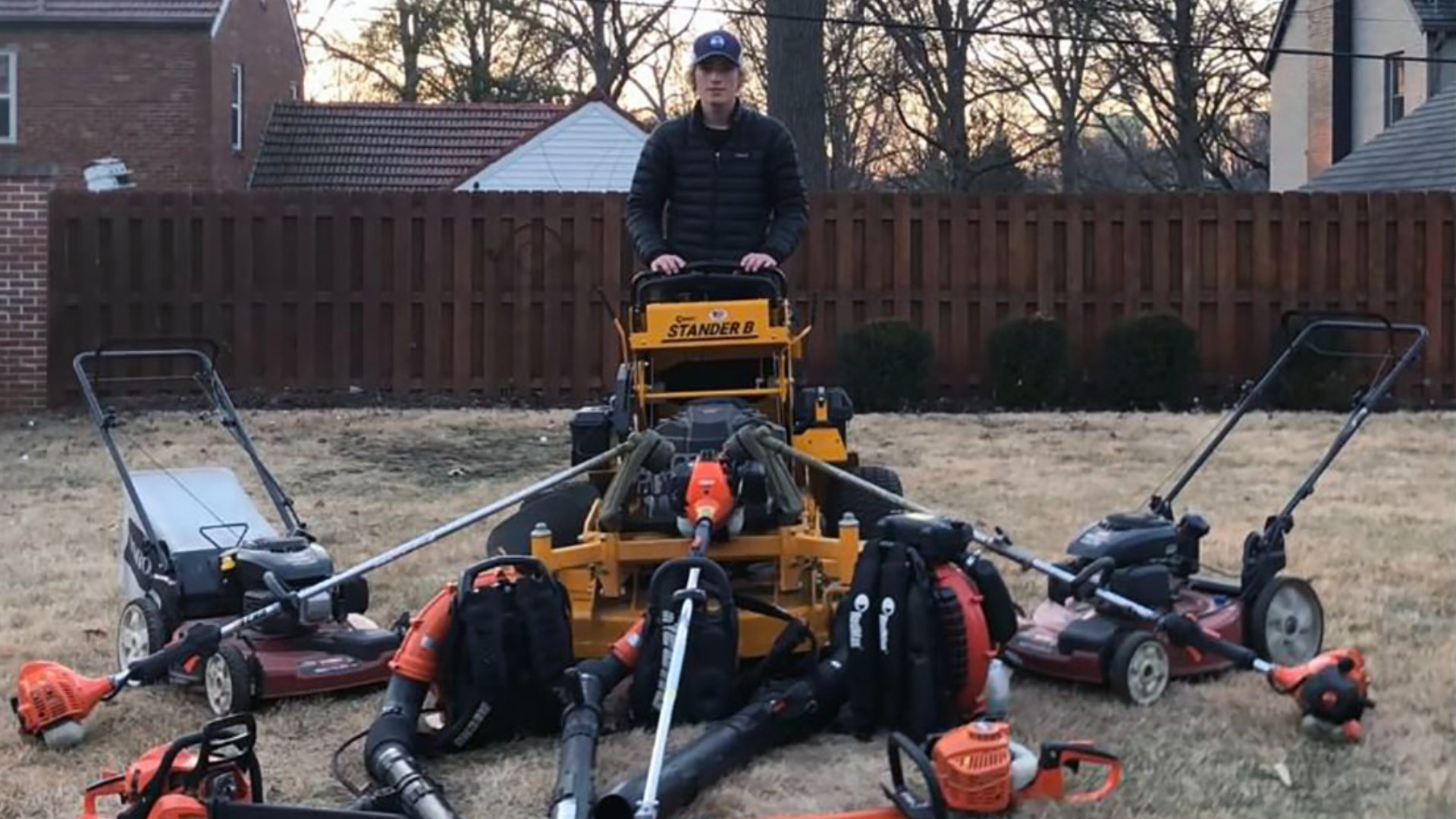
Your mowers, trimmers, blowers, edgers, and trailers are the lifeblood of your business. Standard general liability insurance does not cover damage or theft of your equipment. That’s where inland marine or equipment coverage comes in.
This type of lawn care business insurance protects tools whether they’re at a job site, in transit, or stored overnight. If your trailer is stolen or a fire destroys your equipment, this coverage helps you replace it quickly.
Workers’ Compensation Insurance
If you have employees, workers’ compensation insurance is usually required by law. It covers medical bills, lost wages, and rehabilitation costs if an employee is injured on the job.
Lawn care injuries are common: cuts, strains, heat exhaustion, and slips happen even with training. Workers’ comp protects both your employees and your business from costly lawsuits.
Even solo operators should consider workers’ comp if they subcontract labor or operate in states where coverage is required regardless of employee count.
Commercial Auto Insurance
If you use vehicles for business—trucks, vans, or trailers—personal auto insurance won’t cover work-related accidents. Commercial auto insurance covers vehicle damage, injuries, and liability when driving for business purposes.
This is one of the most overlooked parts of lawn care business insurance. Many owners assume their personal policy is enough, only to discover a claim is denied after an accident.
Benefits and Use Cases: Who Lawn Care Business Insurance Is For
Lawn care business insurance isn’t just for large companies with logos on trucks. It’s valuable at every stage of growth.
Solo Operators and Side Hustlers
If you mow lawns on weekends or evenings, you still face the same risks as full-time businesses. One claim can erase a year of profit. Basic liability and equipment coverage can be surprisingly affordable and offers immediate peace of mind.
Growing Small Businesses
As soon as you add employees, vehicles, or commercial clients, insurance becomes non-negotiable. Workers’ comp and higher liability limits protect your expanding operation from costly missteps.
Established Lawn Care Companies
Larger operations benefit from bundled policies, higher limits, and customized coverage. At this stage, insurance also helps with credibility, contracts, and long-term stability.
Across all use cases, the biggest benefit is predictability. Insurance turns unknown, potentially devastating losses into manageable, planned expenses.
Step-by-Step Guide: How to Get Lawn Care Business Insurance the Right Way
Step 1: Assess Your Actual Risks
Start by listing:
- Services you offer (mowing, fertilizing, landscaping)
- Equipment you own and its value
- Vehicles used for work
- Number of employees or subcontractors
- Typical job locations (residential vs commercial)
This prevents over-insuring or missing critical gaps.
Step 2: Choose Required Policies
At minimum, most lawn care businesses need:
- General liability
- Equipment coverage
- Commercial auto (if applicable)
- Workers’ comp (if applicable)
Add umbrella coverage if you take on large contracts or high-value properties.
Step 3: Get Multiple Quotes
Insurance pricing varies widely. Compare at least three quotes from providers experienced with lawn care and landscaping businesses. Pay attention to exclusions, deductibles, and claims processes—not just price.
Step 4: Verify Certificates and Compliance
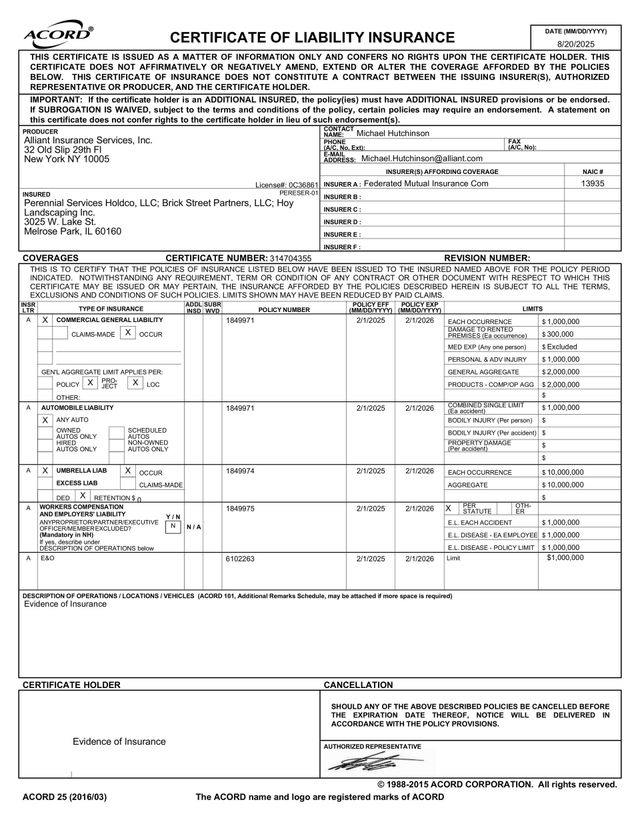
Many clients require certificates of insurance before work begins. Make sure your provider can issue certificates quickly and update them when needed.
Step 5: Review Annually
Your business changes every year. New equipment, new services, or new employees should trigger a policy review to keep coverage aligned with reality.
Tools, Comparisons, and Provider Recommendations

Choosing insurance isn’t about brand loyalty—it’s about fit.
Popular providers that specialize in small service businesses include Hiscox, NEXT Insurance, and The Hartford. Each offers lawn care business insurance with different strengths.
Free vs paid options don’t really apply here, but you can compare:
- Online instant quotes vs agent-assisted policies
- Bundled packages vs custom policies
- Monthly payments vs annual discounts
Pros of online-first providers include speed and transparency. Traditional insurers may offer deeper customization and local agent support.
The best choice depends on your comfort level, business size, and complexity.
Common Mistakes Lawn Care Owners Make (And How to Fix Them)
One of the biggest mistakes is assuming “nothing will happen.” Another is buying the cheapest policy without reading exclusions.
Other common errors include:
- Using personal auto insurance for work vehicles
- Underinsuring equipment to save money
- Forgetting to update coverage after buying new tools
- Letting policies lapse during the off-season
The fix is simple but requires discipline: review policies annually, ask questions, and treat insurance as part of your operating system—not an afterthought.
Real-World Cost Breakdown: What Lawn Care Business Insurance Actually Costs
Costs vary, but typical ranges:
- General liability: $30–$60/month
- Equipment coverage: $15–$40/month
- Workers’ comp: based on payroll
- Commercial auto: $100–$250/month per vehicle
Bundling policies often reduces total cost. Compared to the cost of one lawsuit or equipment loss, insurance is one of the highest ROI expenses in the business.
Conclusion
Lawn care business insurance isn’t glamorous. It doesn’t make grass greener or customers happier. But it quietly protects everything you’re building. It turns risk into resilience and uncertainty into stability.
If you’re serious about running a lawn care business—not just mowing lawns—insurance is part of being professional. Start with the basics, grow coverage as you grow, and review it regularly. Your future self will thank you the first time something goes wrong and your business keeps moving forward.
If you’ve been putting this off, now’s a good time to get quotes, ask questions, and make sure your hard work is protected.
FAQs
Do I need lawn care business insurance if I work alone?
Yes. Solo operators still face liability and property risks that can be financially devastating.
Is lawn care insurance required by law?
Some policies, like workers’ compensation and commercial auto, are legally required in many areas.
Does insurance cover chemical application mistakes?
Only if your policy includes coverage for herbicide or pesticide application.
Can I pause insurance in the off-season?
Some providers allow adjustments, but fully canceling coverage can be risky.
How fast can I get insured?
Many providers offer same-day coverage and instant certificates.