
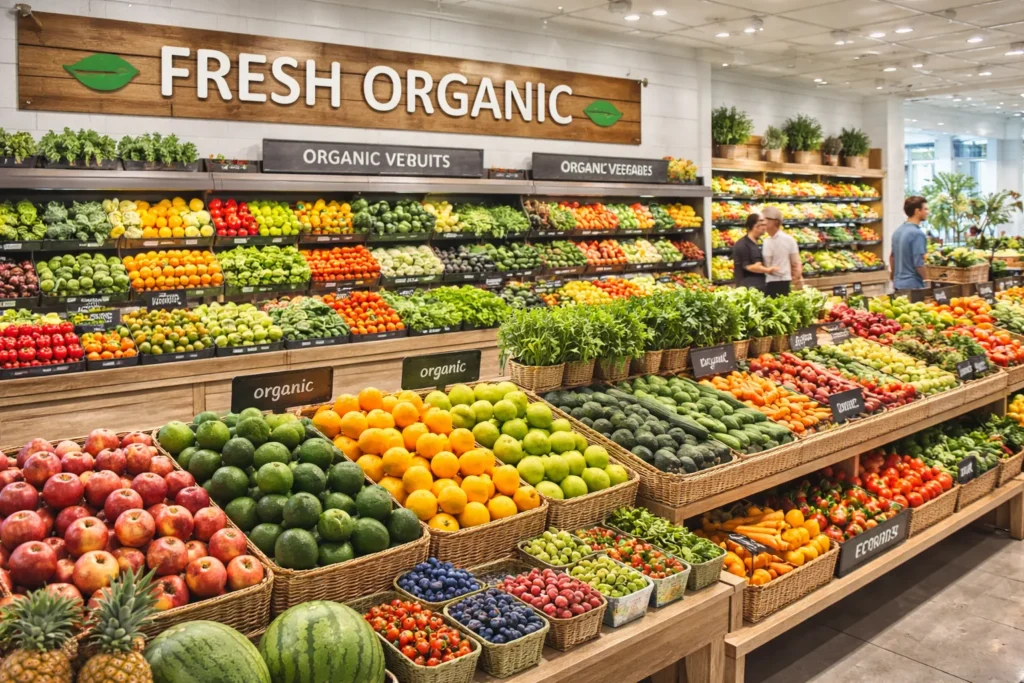
In an era where processed foods dominate supermarket shelves and ingredient lists read like chemistry textbooks, the humble health food store has emerged as a sanctuary for wellness enthusiasts. No longer a niche destination for specific subcultures, these markets have evolved into comprehensive hubs for anyone seeking to improve their physical and mental well-being. Whether you are managing a dietary restriction, seeking higher quality ingredients, or simply trying to adopt a cleaner lifestyle, walking through the doors of a health food store can be the first step toward a healthier you.
However, for the uninitiated, these stores can sometimes feel overwhelming. With aisles dedicated to obscure grains, shelves lined with unpronounceable supplements, and bulk bins filled with mysterious powders, it is easy to feel lost. This comprehensive guide aims to demystify the experience. We will explore the tangible benefits of shopping at these specialized markets, how to navigate the aisles like a pro, and how to do it all without breaking the bank.
What Defines a Modern Health Food Store?
A health food store is a type of grocery retailer that primarily sells health foods, organic produce, local products, and nutritional supplements. unlike conventional supermarkets, these stores often have strict quality standards regarding what they put on their shelves.
The Focus on Quality Standards
The primary differentiator is the vetting process. Most reputable health food stores refuse to stock products containing artificial colors, flavors, preservatives, or sweeteners. You likely won’t find high-fructose corn syrup or hydrogenated oils here. Instead, the focus is on:
- Organic Certification: Ensuring produce and grains are grown without synthetic pesticides or fertilizers.
- Non-GMO Verification: Guaranteeing products are free from genetically modified organisms.
- Fair Trade: Supporting ethical labor practices in the supply chain.
Beyond Just Food
Modern wellness markets are holistic hubs. They don’t just feed the body; they cater to the entire lifestyle. This includes:
- Natural Personal Care: Shampoos, soaps, and lotions free from parabens, phthalates, and sulfates.
- Eco-Friendly Household Goods: Biodegradable cleaning supplies and sustainable paper products.
- Supplements and Herbs: A vast array of vitamins, minerals, tinctures, and homeopathic remedies.
The Distinct Benefits of Shopping Specialized
Why make the trip to a health food store when you can buy groceries at a big-box retailer? The advantages go far beyond just the label on the apple.
Superior Nutrient Density and Freshness
Produce in conventional stores often travels thousands of miles, ripening in transit rather than on the vine. Health food markets frequently prioritize local sourcing. This means the kale or strawberries you buy may have been harvested just days—or even hours—before hitting the shelf. Local, vine-ripened produce is not only tastier but significantly more nutrient-dense.
Catering to Dietary Restrictions
If you or a family member suffers from Celiac disease, lactose intolerance, or nut allergies, conventional shopping can be a minefield.
- Allergy-Friendly Options: Health stores often have dedicated sections for gluten-free, dairy-free, and nut-free products.
- Lifestyle Support: whether you are Keto, Paleo, Vegan, or Whole30, these stores curate products specifically for these protocols, saving you hours of label reading.
Knowledgeable Staff
Perhaps the most underrated asset of a health food store is the people who work there. In a standard supermarket, asking a clerk about the benefits of magnesium glycinate versus magnesium citrate might result in a blank stare. In a wellness market, staff are often passionate about health, and many stores employ certified nutritionists or herbalists to guide customers.
Navigating the Aisles: A Section-by-Section Guide
To maximize your trip, it helps to understand the layout and the hidden gems found in each section.
The Produce Section: Organic vs. Local
This is usually the first section you encounter. Here, “organic” is the standard, not the exception.
- The “Dirty Dozen” Rule: If you are on a budget, prioritize buying organic for the “Dirty Dozen”—fruits and vegetables that retain the most pesticide residue (like strawberries, spinach, and apples).
- Heirloom Varieties: Look for unique produce varieties not found elsewhere, like purple carrots, Romanesco broccoli, or heirloom tomatoes, which offer diverse phytonutrients.
The Bulk Bins: The Budget Saver
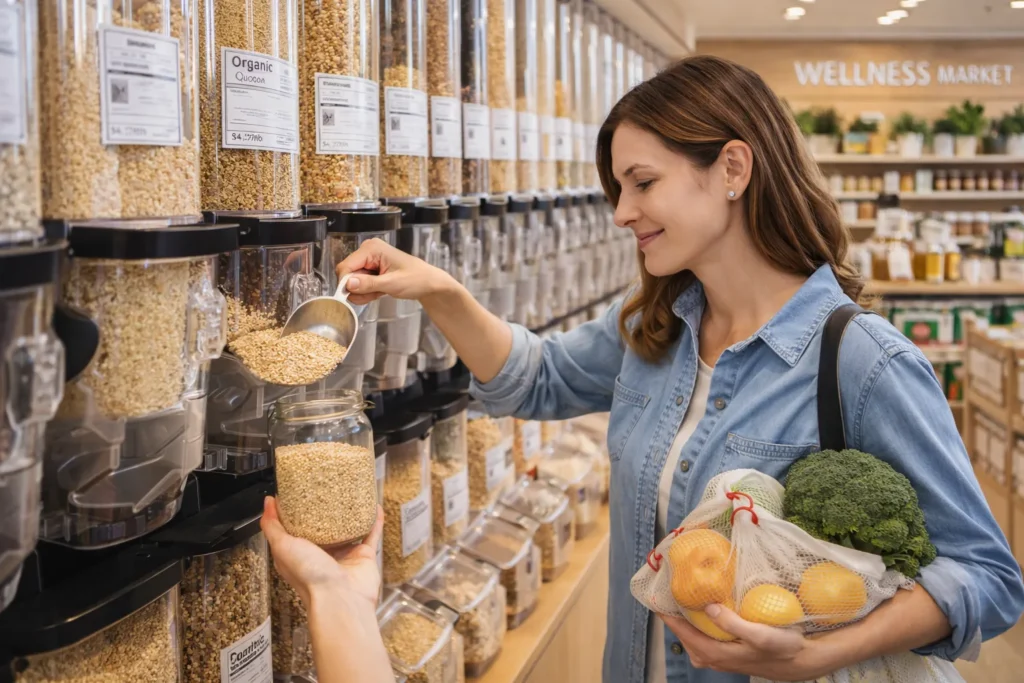
The bulk section is the heart of the health food store. By bringing your own containers or using provided bags, you buy only what you need.
- Grains and Legumes: Stock up on staples like quinoa, lentils, brown rice, and oats at a fraction of the packaged price.
- Nuts and Seeds: Buying almonds, walnuts, chia seeds, and flaxseeds in bulk ensures high turnover and freshness, preventing the rancidity often found in pre-packaged nuts.
- Spices and Teas: Why pay $5 for a jar of turmeric when you only need a teaspoon? Bulk spices allow you to experiment with flavors for pennies.
The Supplement Aisle
This area can be intimidating. Here is how to approach it:
- Focus on Bioavailability: Look for vitamins in forms the body can easily absorb (e.g., methylated B vitamins).
- Third-Party Testing: reputable brands will often have seals from organizations like NSF or USP, verifying that what is on the label is actually in the bottle.
- Ask for Help: This is the best time to utilize the floor staff’s expertise.
Chillers and Freezers
This isn’t just for ice cream.
- Fermented Foods: Look for sauerkraut, kimchi, and kefir containing live active cultures for gut health.
- Plant-Based Proteins: Explore high-quality tofu, tempeh, and newer innovations in plant-based meats that use pea protein or jackfruit.
Essential Products to Look For
If you are building a healthy pantry, these are the items a health food store does better than anyone else.
1. Nutritional Yeast
Often called “nooch,” this deactivated yeast is a staple for vegans and omnivores alike. It has a cheesy, nutty flavor and is often fortified with B12. It’s perfect for sprinkling on popcorn or stirring into sauces.
2. Ancient Grains
Move beyond white rice. Look for:
- Amaranth: A protein-packed pseudo-cereal.
- Farro: A chewy, nutty grain excellent for salads.
- Teff: A tiny grain packed with calcium and iron.
3. Healthy Fats and Oils
Conventional stores are often filled with refined vegetable oils. In a health market, you will find:
- Cold-Pressed Olive Oil: High in polyphenols.
- Avocado Oil: Great for high-heat cooking.
- Ghee: Clarified butter that is lactose-free and shelf-stable.
- Coconut Oil: Versatile for cooking and skin care.
4. Natural Sweeteners
Avoid the blood sugar spike of white sugar with alternatives like:
- Manuka Honey: Renowned for its antibacterial properties.
- Maple Syrup: Rich in minerals like manganese and zinc.
- Stevia and Monk Fruit: Natural, zero-calorie options.
Common Myths About Health Food Stores
Despite their popularity, misconceptions prevent many people from exploring these markets. Let’s debunk a few.
Myth 1: It’s Too Expensive
While it is true that organic, artisanal products can cost more, shopping at a health food store doesn’t have to break the bank.
- Reality: The bulk bins are often cheaper than conventional grocery stores because you aren’t paying for branding, packaging, or marketing. Furthermore, buying high-quality, nutrient-dense food can reduce medical costs in the long run.
Myth 2: It’s Only for Vegans or “Hippies”
Decades ago, this stereotype might have held some water. Today, it is inaccurate.
- Reality: You will find grass-fed beef, wild-caught salmon, bone broth, and high-quality dairy alongside the tofu. These stores cater to bio-hackers, athletes, parents, and culinary enthusiasts of all stripes.
Myth 3: The Food Tastes Like Cardboard
Healthy food has a reputation for being bland.
- Reality: Because the ingredients are fresher and grown in better soil, the flavor profiles are often much more robust. An in-season, organic tomato from a health store tastes infinitely better than a watery, conventional hothouse tomato.
Health Food Store vs. Conventional Supermarket
Understanding the structural differences helps clarify why you might choose one over the other.
| Feature | Health Food Store | Conventional Supermarket |
| Product Selection | Curated, high standards, niche items | Broad appeal, mass-market brands |
| Ingredients | Avoids artificial additives, GMOs | Often contains preservatives, corn syrup |
| Produce | Mostly organic, local focus | Mostly conventional, global sourcing |
| Staff Expertise | High; often specialized training | General retail knowledge |
| Community | Bulletin boards, workshops, classes | Transactional focus |
How to Save Money on Healthy Groceries
We touched on the cost myth, but let’s look at concrete strategies for stretching your dollar at a health food store.
Shop the Sales Cycle
Just like any retailer, health stores have sales flyers. Plan your meals around what is on discount. If organic chicken breasts are 20% off, buy extra and freeze them.
Join the Membership Program
Many independent health stores and larger chains (like Whole Foods or Sprouts) offer loyalty programs or digital coupons. Some co-ops allow you to become a member-owner, which grants you a percentage off every shopping trip or access to special member-only sales days.
Buy “Store Brand”
Many health food chains now have their own private label brands (e.g., “365” or generic bulk options). These products must meet the store’s strict quality standards but are sold at a lower price point than name-brand competitors.
Prioritize Your Organics
If you can’t afford 100% organic, be strategic.
- Buy Organic: Thin-skinned produce (berries, peppers, leafy greens).
- Buy Conventional: Thick-skinned produce (avocados, bananas, pineapples) where you discard the outer layer, as pesticide penetration is lower.
The Role of Community in Wellness Markets
One element that truly distinguishes a health food store is its function as a “third place”—a community hub outside of home and work.
Education and Workshops
Many stores host free or low-cost classes on topics like:
- How to ferment vegetables at home.
- Intro to essential oils.
- Cooking for specific diets (Gluten-free baking, Keto meal prep).
- Lectures by local naturopaths or nutritionists.
Supporting Local Producers
By shopping here, you are often directly supporting the local economy. Health stores are frequently the first point of entry for small, local food artisans. That jar of honey, loaf of sourdough, or bag of granola you buy often puts money directly into a neighbor’s pocket rather than a multinational corporation.
The Community Board
Don’t ignore the bulletin board near the exit. It is a treasure trove of local resources: yoga classes, room rentals, holistic practitioners, and community gardening groups. It connects you to the broader wellness ecosystem in your town.
Future Trends in Health Retail
The wellness industry is dynamic. Here is what you can expect to see more of in the aisles of your local health food store.
Functional Mushrooms and Adaptogens
Mushrooms like Reishi, Lion’s Mane, and Chaga are moving from the supplement aisle into food products. Expect to see mushroom coffees, broths, and snack bars designed to boost focus and immunity.
Regenerative Agriculture
“Organic” is the current standard, but “Regenerative” is the future. This goes beyond avoiding pesticides to actively improving soil health and sequestering carbon. Brands are beginning to carry certifications like “Regenerative Organic Certified.”
Zero-Waste Shopping
As sustainability concerns mount, health stores are leading the charge on reducing plastic. Expect to see expanded bulk sections that include liquids (shampoos, oils, detergents) and more products sold in compostable or glass packaging.
Personalized Nutrition
Some forward-thinking stores are partnering with tech companies to offer personalized dietary recommendations based on DNA testing or microbiome analysis, helping shoppers curate a grocery list that matches their unique biological needs.
Integrating Health Store Shopping into Your Routine
You don’t have to overhaul your entire life overnight. Start small.
- The “One Swap” Rule: Next time you run out of a conventional item (like peanut butter), go to the health store and buy a natural alternative (one with just peanuts and salt).
- The Weekly Treat: Visit the store to buy one new, exotic fruit or vegetable you’ve never tried before.
- The Supplement Check: If you take vitamins, bring your current bottles in and ask a staff member if there is a higher-quality version available.
Conclusion
A health food store is more than just a place to buy groceries; it is a resource for proactive health management. It offers a curated environment where the hard work of vetting ingredients has already been done for you. By engaging with these stores, you are voting with your dollar for a food system that prioritizes human health, environmental sustainability, and local commerce.
Whether you are looking to heal a specific ailment, boost your energy levels, or simply feed your family the cleanest food possible, the aisles of your local wellness market hold the answers. So grab your reusable bags, embrace the bulk bins, and step into a world of vibrant health.
FAQs About Health Food Stores
Are health food stores really better for you?
Generally, yes. Because they curate products that exclude harmful additives, hydrogenated oils, and high-fructose corn syrup, the baseline quality of food is higher. However, “organic” junk food (like organic cookies or chips) is still junk food. It is important to focus on whole foods regardless of where you shop.
Can I find meat at a health food store?
Yes. Most health food stores have excellent meat departments featuring grass-fed beef, free-range chicken, and wild-caught seafood. The focus is usually on humane raising practices and meat free from antibiotics and added hormones.
Is organic food always more nutritious?
Studies vary, but many suggest that organic produce can have higher levels of antioxidants and certain micronutrients compared to conventional produce. More importantly, organic food significantly reduces your exposure to synthetic pesticides and herbicides.
How do I find a good health food store near me?
Search online for terms like “natural grocer,” “food co-op,” or “organic market.” Look for independent stores in your area, or national chains like Whole Foods Market, Sprouts Farmers Market, or Natural Grocers.
Do health food stores sell gluten-free products?
Absolutely. Health food stores are the best place to find a wide variety of gluten-free products, including breads, pastas, baking flours, and snacks that are safe for those with Celiac disease or gluten sensitivity.

Sofia Bennett is a fashion content creator known for her refined perspective on style, trends, and modern elegance. She specializes in curating content that blends timeless fashion principles with contemporary aesthetics, helping readers develop confidence through personal style. Sofia’s work spans outfit styling, wardrobe essentials, and fashion inspiration, always with an emphasis on authenticity and practicality. Her approachable voice and eye for detail make fashion accessible, empowering readers to express themselves with confidence and sophistication.