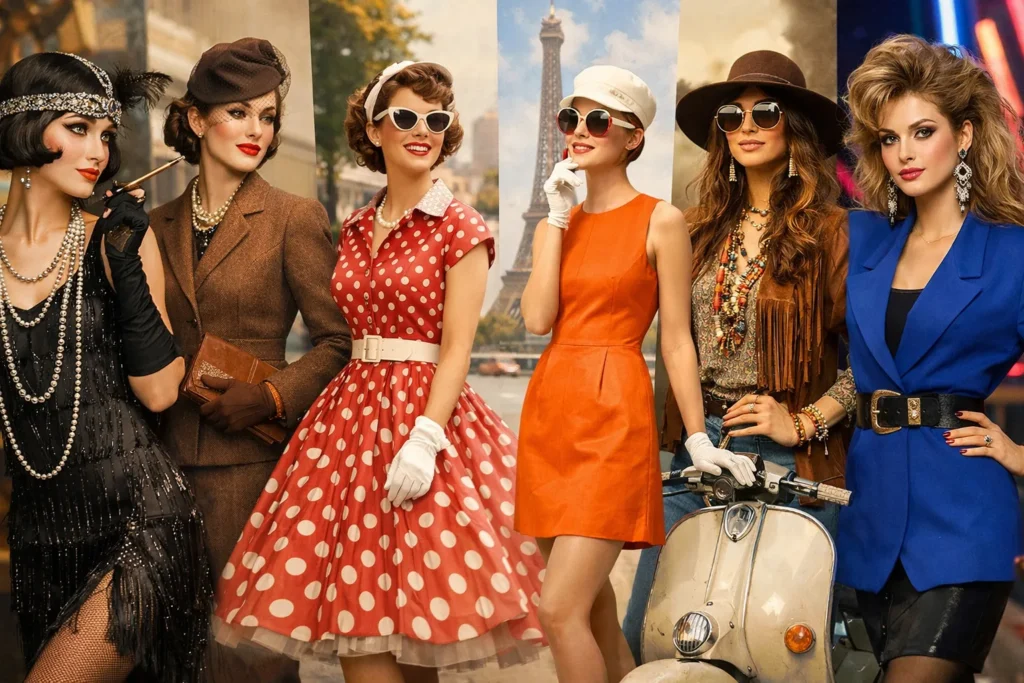
Exploring the world of vintage fashion outfits is like taking a journey through time. Each decade offers a unique aesthetic, a distinct silhouette, and a story waiting to be told through clothing. Whether you’re drawn to the rebellious spirit of the 1950s or the glamorous excess of the 1980s, incorporating vintage pieces into your wardrobe allows you to create a style that is truly your own. This comprehensive guide will walk you through the most iconic eras, provide tips for sourcing authentic items, and show you how to blend the old with the new for a look that is both classic and contemporary.
Why We Love Vintage Fashion
Choosing vintage clothing is about more than just style; it’s a conscious decision that comes with numerous benefits. From sustainability to individuality, embracing retro styles can transform your relationship with fashion.
The Appeal of Individuality and Uniqueness
In a world dominated by fast fashion, where trends come and go in the blink of an eye, vintage clothing offers a refreshing alternative. When you wear a piece from a bygone era, you are almost guaranteed not to see someone else in the same outfit. This uniqueness allows you to express your personality and stand out from the crowd. Each vintage item has a history, a past life that adds a layer of depth and character to your look.
Sustainability and Ethical Fashion Choices
The fashion industry is one of the largest polluters globally. By choosing to wear vintage, you are participating in a circular economy. You give a pre-loved garment a new life, diverting it from a landfill and reducing the demand for new production. This practice conserves resources, cuts down on waste, and lessens the environmental impact associated with manufacturing, dyeing, and transporting new clothes. It’s a stylish way to make an eco-conscious choice.
Quality Craftsmanship and Durability
Before the rise of mass-produced clothing, garments were made to last. Vintage pieces often feature superior craftsmanship, higher-quality materials, and more attention to detail than their modern counterparts. You’ll find stronger seams, more durable fabrics, and intricate details like hand-sewn buttons or delicate embroidery. Investing in vintage means you are acquiring items that have already stood the test of time and will likely remain staples in your wardrobe for years to come.
Exploring Iconic Decades of Vintage Fashion
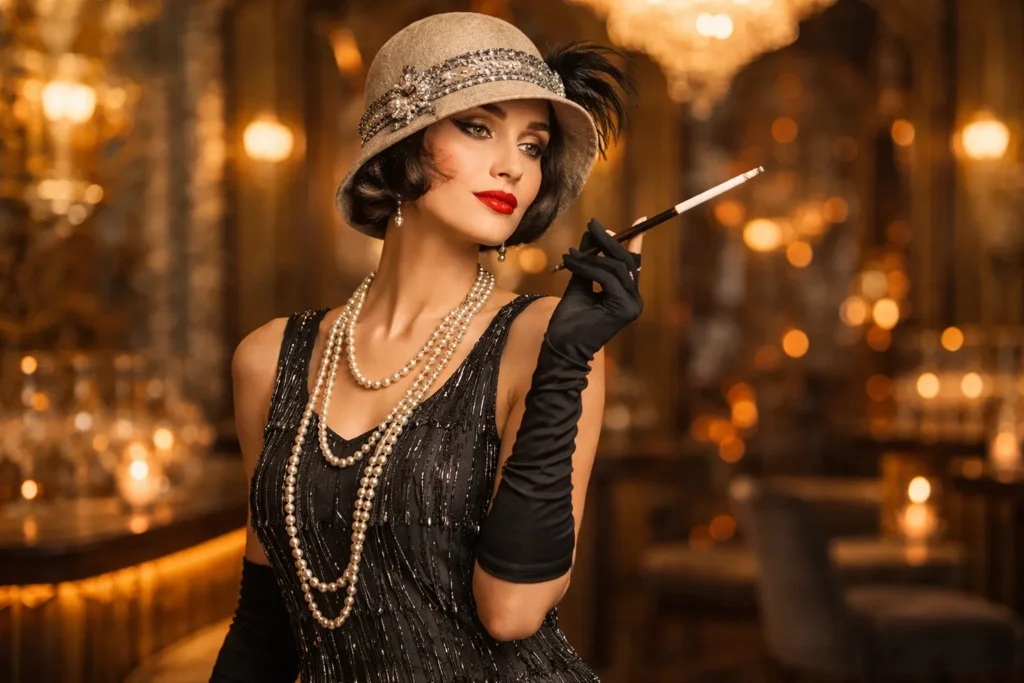
Fashion is a mirror that reflects the social, political, and cultural movements of its time. To truly understand vintage style, it’s essential to explore the distinct looks of each decade.
The Roaring Twenties (1920s): Flappers and Freedom
The 1920s marked a dramatic shift in women’s fashion, breaking away from the restrictive corsets of the past. The era was defined by a newfound sense of freedom and rebellion.
- Key Silhouettes: The dominant look was the “garçonne” or flapper style, featuring a boyish, straight-line silhouette. Drop-waist dresses that hung loosely from the shoulders to the hips were the height of fashion. Hemlines rose to the knee, which was revolutionary for the time.
- Essential Pieces: Beaded and fringed dresses perfect for dancing the Charleston, cloche hats that fit snugly over a bobbed haircut, long strings of pearls, and T-strap heels.
- Styling a 1920s Look: For a modern take, pair a simple drop-waist dress with kitten heels and a single long necklace. Or, incorporate a beaded clutch or a feathered headband into a contemporary evening outfit for a subtle nod to the era.
The Thirties and Forties (1930s-1940s): Elegance and Utility
The Great Depression and World War II heavily influenced the fashion of these two decades. The 1930s saw a return to a more feminine and elegant silhouette, while the 1940s were characterized by practicality and rationing.
- Key Silhouettes: The 1930s favored long, slender lines, bias-cut dresses that clung to the body, and elegant evening gowns. The 1940s introduced a more utilitarian look with padded shoulders, nipped-in waists, and A-line skirts that fell just below the knee.
- Essential Pieces:
- 1930s: Bias-cut satin gowns, puff-sleeve blouses, and wide-legged trousers for women.
- 1940s: Tailored skirt suits, tea dresses in floral or polka-dot prints, high-waisted trousers, and platform shoes.
- Styling a 30s/40s Look: A 1940s-style tea dress is incredibly versatile and can be worn with sandals in the summer or boots and a cardigan in the fall. Pair high-waisted, wide-leg trousers with a simple tucked-in blouse for a timeless and powerful look.
The Fabulous Fifties (1950s): Femininity and Rebellion
The post-war prosperity of the 1950s brought about a celebration of hyper-femininity, but also the birth of teenage rebellion and rock ‘n’ roll.
- Key Silhouettes: Two main silhouettes dominated the decade. The first was Christian Dior’s “New Look,” featuring a tightly cinched waist and a full, voluminous skirt. The second was the more streamlined pencil skirt, which hugged the body from waist to knee.
- Essential Pieces: Full circle skirts worn with petticoats, fitted cardigans, saddle shoes, leather jackets (popularized by “greasers”), capri pants, and halter-neck dresses.
- Styling a 1950s Look: A full midi skirt paired with a simple fitted knit top is an easy way to channel 50s elegance. For a more casual, rebellious vibe, combine dark-wash jeans, a white t-shirt, and a classic leather jacket.
The Swinging Sixties (1960s): Mod, Minis, and Hippies
The 1960s was a decade of radical change, and fashion followed suit. The early part of the decade was dominated by the clean lines of the Mod movement, while the later years gave way to the free-spirited, bohemian style of the hippies.
- Key Silhouettes: A-line mini dresses, shift dresses, and boxy, geometric shapes defined the Mod look. The late 60s saw the rise of flowing maxi dresses, bell-bottom pants, and looser, more unstructured forms.
- Essential Pieces: Mini skirts, Go-go boots, brightly colored tights, Peter Pan collars, bell-bottom jeans, peasant blouses, and fringed suede vests.
- Styling a 1960s Look: Pair a simple shift dress with ankle boots for a classic Mod outfit. To embrace your inner hippie, style a pair of flared jeans with a floral peasant blouse and platform sandals.
The Eclectic Seventies (1970s): Disco, Punk, and Boho
The 1970s was a decade of stylistic diversity, pulling from multiple influences to create a truly eclectic fashion landscape.
- Key Silhouettes: High-waisted, wide-leg pants and bell-bottoms remained popular. Flowing maxi dresses, wrap dresses, and tailored pantsuits were also key styles. The punk movement introduced a deconstructed, DIY aesthetic.
- Essential Pieces: Jumpsuits, platform shoes, flared trousers, crocheted tops, denim everything, and band t-shirts. Diane von Furstenberg’s iconic wrap dress became a symbol of female empowerment.
- Styling a 1970s Look: A wrap dress is a timeless piece that works for almost any occasion. For a disco-inspired evening look, try a sequined top with high-waisted flares. A vintage band tee paired with worn-in denim is an effortless nod to 70s rock style.
The Bold Eighties (1980s): Power Dressing and Pop Culture
The 1980s was the decade of excess. Fashion was big, bold, and unapologetic, with power dressing for the office and vibrant, pop-influenced styles for play.
- Key Silhouettes: The defining feature was the exaggerated shoulder. Power suits with massive shoulder pads, oversized blazers, and voluminous sleeves were everywhere. Leggings paired with oversized sweaters or mini skirts created another popular look.
- Essential Pieces: Power suits, acid-wash jeans, neon colors, statement belts, oversized sweatshirts, and bomber jackets.
- Styling a 1980s Look: An oversized blazer is the easiest way to incorporate 80s style into a modern wardrobe. Throw it over a simple dress or pair it with straight-leg jeans and a t-shirt. Don’t be afraid to play with bold colors and chunky jewelry.
The Minimalist Nineties (1990s): Grunge and Glam
The 1990s was a reaction against the opulence of the 80s. The decade swung between the anti-fashion angst of grunge and a sleek, minimalist aesthetic.
- Key Silhouettes: Slip dresses, baggy jeans, and oversized flannel shirts defined the grunge look. Minimalism favored simple, clean lines like sheath dresses, straight-leg trousers, and simple tank tops.
- Essential Pieces: Slip dresses, plaid flannel shirts, Doc Martens, mom jeans, crop tops, spaghetti-strap tops, and oversized band t-shirts.
- Styling a 1990s Look: A slip dress layered over a white t-shirt is an iconic 90s outfit that still feels fresh today. Pair high-waisted “mom jeans” with a simple bodysuit or crop top for a casual, understated look.
How to Source Authentic Vintage Clothing
Finding genuine vintage pieces is part of the fun. Knowing where to look and what to look for will help you build an amazing collection.
Where to Shop
- Thrift Stores: Places like Goodwill and The Salvation Army can be goldmines, but they require patience and a willingness to dig.
- Consignment Shops: These stores are more curated than thrift stores, selling items on behalf of their owners. The quality is often higher, but so are the prices.
- Vintage Boutiques: These are specialty shops that focus exclusively on vintage clothing. The owners are typically very knowledgeable and can help you find specific pieces.
- Online Marketplaces: Websites like Etsy, Depop, and eBay have vast selections of vintage clothing from sellers all over the world. Be sure to read descriptions and check seller ratings carefully.
- Flea Markets and Estate Sales: These are excellent places to find unique and often affordably priced vintage treasures.
What to Look For
When shopping for vintage, it’s important to inspect items carefully.
- Check for Quality: Look at the fabric, seams, and lining. Are they intact?
- Inspect for Damage: Check for stains, holes, tears, or missing buttons. Some minor flaws can be repaired, but others may be deal-breakers.
- Examine the Tags: Look for union labels (especially in American-made garments) and brand tags to help date the piece. The style of the font and the material of the tag can also be clues.
- Understand Sizing: Vintage sizing is very different from modern sizing. A vintage size 12 might be closer to a modern size 6. Always go by the measurements provided or try the item on if possible.
How to Integrate Vintage Fashion Outfits into Your Modern Wardrobe
The key to wearing vintage without looking like you’re in a costume is balance. Mix and match vintage pieces with modern staples to create a look that feels personal and current.
The One-Piece Rule
A great way to start is by incorporating one standout vintage piece into an otherwise modern outfit.
- Pair a vintage 1970s floral blouse with your favorite pair of modern skinny jeans.
- Wear a 1950s circle skirt with a simple, modern t-shirt and sneakers.
- Throw a vintage 1980s oversized blazer over a contemporary midi dress.
Focus on Accessories
Vintage accessories are an easy and low-commitment way to add a retro touch to any outfit.
- A classic 1960s handbag can elevate a simple jeans-and-tee look.
- A pair of 1980s statement earrings can add personality to an evening outfit.
- A silk scarf from the 1940s can be tied around your neck, wrist, or bag for a pop of color and pattern.
Modernizing a Head-to-Toe Vintage Look
If you do want to wear a full vintage outfit, you can make it feel more modern through your styling choices.
- Hair and Makeup: Modern, natural-looking hair and makeup can prevent a vintage dress from looking like a costume.
- Footwear: Pairing a 1940s tea dress with modern sneakers or ankle boots can create an interesting and unexpected contrast.
- Attitude: Confidence is the most important accessory. Wear your vintage fashion outfits with pride and make the style your own.
Conclusion
Building a wardrobe filled with vintage fashion outfits is a rewarding and creative process. It allows you to connect with the past, express your individuality, and make more sustainable fashion choices. By understanding the key styles of different decades and learning how to blend them with modern pieces, you can curate a look that is timeless, unique, and entirely you. Start with one piece that speaks to you—be it a 60s mini dress or an 80s blazer—and let your style journey through time begin.
Frequently Asked Questions (FAQs)
1. How do I care for my vintage clothing?
Always check for a care tag first. If there isn’t one, proceed with caution. Delicate fabrics like silk or rayon, and heavily embellished items, should be hand-washed in cold water or professionally dry-cleaned. More durable fabrics like cotton and denim can often be machine-washed on a gentle cycle. Always air dry vintage clothing to prevent damage.
2. What is the difference between “vintage” and “antique” clothing?
Generally, clothing that is between 20 and 100 years old is considered vintage. Clothing that is 100 years old or more is classified as antique.
3. Is it okay to alter vintage clothing?
This is a personal choice. If a piece doesn’t fit you, altering it so you can wear and love it is a great option. However, if the item is a rare or historically significant designer piece, alterations could decrease its collectible value.
4. How can I tell if a piece is truly vintage?
Look for details like metal zippers (common before the 60s), union labels, fabric content (polyester became widespread in the 70s), and the overall construction. The style, cut, and print can also be strong indicators of the era. Researching logos and tags from different brands can also help you date a piece.
5. How do I deal with the “old clothes” smell in vintage garments?
Airing the garment out, preferably outdoors in the shade, can work wonders. You can also spritz it with a mixture of vodka and water (vodka is a natural deodorizer) or place it in a sealed bag with baking soda for a few days to absorb odors. Gentle hand-washing or professional cleaning is the most effective method.

Sofia Bennett is a fashion content creator known for her refined perspective on style, trends, and modern elegance. She specializes in curating content that blends timeless fashion principles with contemporary aesthetics, helping readers develop confidence through personal style. Sofia’s work spans outfit styling, wardrobe essentials, and fashion inspiration, always with an emphasis on authenticity and practicality. Her approachable voice and eye for detail make fashion accessible, empowering readers to express themselves with confidence and sophistication.