When we talk about style, all roads inevitably lead to Paris. For centuries, French fashion companies have not merely participated in the global apparel industry; they have defined it. From the gilded ateliers of haute couture to the boardrooms of massive luxury conglomerates, France remains the undisputed heartbeat of the fashion world. But who are the entities behind the famous logos? What separates a historic Maison from a modern retail group?
Understanding the landscape of French fashion requires looking beyond the runway shows. It involves examining the business structures, the heritage of craftsmanship, and the strategic brilliance that has kept Paris at the forefront of luxury for over a century. Whether you are an investor analyzing market trends, a fashion student studying brand management, or a style enthusiast looking to understand the provenance of your wardrobe, this guide covers the entire spectrum. We will explore the titans of luxury like LVMH and Kering, the independent powerhouses like Chanel and Hermès, and the rising stars of the accessible luxury market that are bringing the “French Girl” look to the world.
The Historical Dominance of French Fashion
To understand the current dominance of french fashion companies, we must look at the foundation upon which they were built. The concept of fashion as a business—and specifically as a national export—was cultivated in France.
The Birth of the Haute Couture System
While clothing has always existed, “fashion” as an organized industry began in Paris in the mid-19th century. Interestingly, it was an Englishman, Charles Frederick Worth, who established the first haute couture house in Paris, but the system he created was distinctly French. He introduced the idea of the designer as an artist and the collection as a seasonal event. This laid the groundwork for the Chambre Syndicale de la Haute Couture, a regulating commission that still governs the industry today. This centralized control ensured that “French fashion” became a protected brand in itself, synonymous with the highest quality and exclusivity.
Why Paris Remains the Capital
Other cities—Milan, New York, London—have their own fashion identities, but Paris retains a unique gravity. This is due to an ecosystem that supports creativity. It is not just about the designers; it is about the petites mains (the skilled artisans), the textile suppliers in Lyon, the lace makers in Calais, and the leather workers. French fashion companies benefit from a national heritage of savoir-faire (know-how) that is difficult to replicate elsewhere. This infrastructure allows brands to produce goods that justify premium price points, securing their financial stability and longevity.
The Luxury Conglomerates: The Big Players
In the modern era, the landscape of French fashion is dominated by groups rather than single designers. The “conglomerate model” was pioneered in France, changing the luxury industry forever.
LVMH (Moët Hennessy Louis Vuitton)
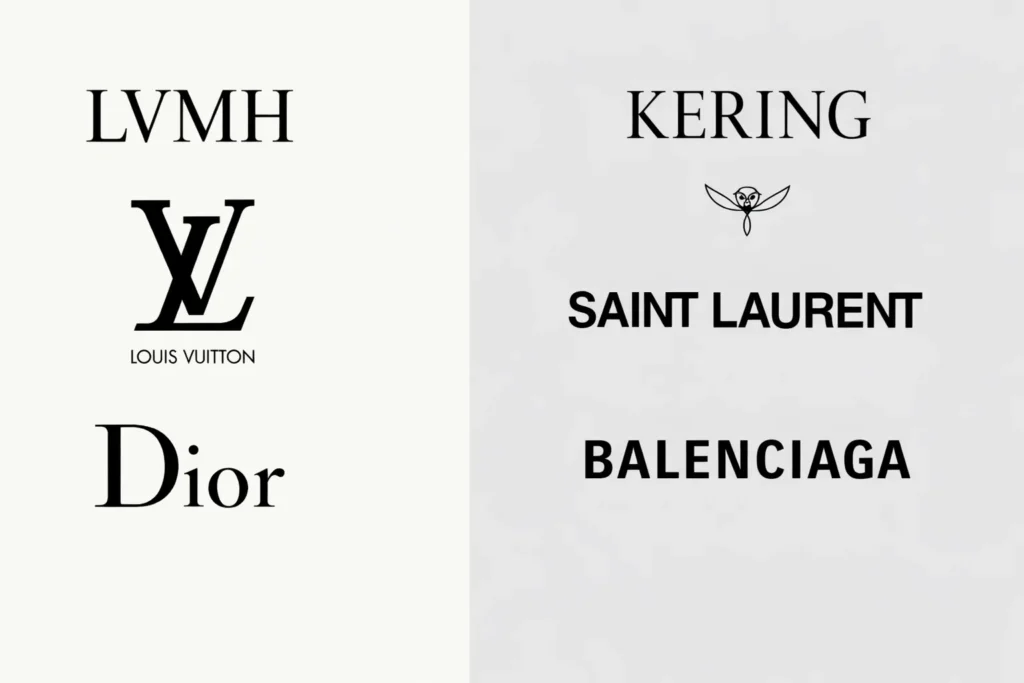
If there is a king of the jungle, it is LVMH. Led by Bernard Arnault, LVMH is not just the largest French fashion company; it is the largest luxury goods company in the world.
- The Strategy: LVMH operates on a decentralized model. While the holding company provides financial backing and strategic direction, individual houses retain their creative autonomy. This allows them to preserve their unique DNA while benefiting from the group’s massive resources.
- Key Fashion Houses:
- Louis Vuitton: The crown jewel. Originally a trunk maker, it is now the world’s most valuable luxury brand, known for its canvas goods and ready-to-wear collections.
- Christian Dior: A pillar of French haute couture. Dior represents the epitome of feminine elegance and architectural design.
- Givenchy, Celine, and Loewe: Each brand targets a specific demographic, from the edgy and modern to the intellectual and artistic.
- Economic Impact: LVMH is a major employer in France and a significant contributor to the French stock market (CAC 40). Their unparalleled supply chain control, from raw materials to retail stores, sets the standard for the industry.
Kering
Founded by François Pinault, Kering is the primary rival to LVMH. While LVMH often focuses on heritage and timelessness, Kering has carved out a niche for bold, subversive, and highly modern fashion.
- The Evolution: Originally a timber trading company, Kering pivoted aggressively into luxury in the late 90s and early 2000s.
- Key French Houses:
- Saint Laurent: Under Kering, Saint Laurent has become a rock-and-roll powerhouse, consistently driving huge revenue growth with its sharp tailoring and leather goods.
- Balenciaga: Perhaps the most “buzz-worthy” brand of the last decade. Balenciaga, under Demna Gvasalia, challenges the very definition of luxury with streetwear influences and avant-garde silhouettes.
- Note on Gucci: While Gucci is Italian, it is the primary revenue driver for Kering. However, Kering remains a distinctly French entity in its management and corporate culture.
The Independent Guardians of Heritage
Not every major French brand has been swallowed by a conglomerate. Some of the most prestigious names remain independent or family-controlled, operating with a different timeline and set of priorities.
Hermès International
Hermès is often cited as the ultimate example of luxury. While LVMH and Kering are fashion groups, Hermès positions itself as a house of craftsmanship.
- The Philosophy: Hermès restricts supply to maintain desire. They refuse to mass-produce their most iconic items, like the Birkin or Kelly bags, famously creating waiting lists rather than compromising on quality.
- Business Model: Publicly traded but family-controlled, Hermès is insulated from the short-term demands of the stock market. This allows them to focus on long-term brand equity. They own their production facilities (manufactures) across France, ensuring every saddle stitch meets their exacting standards.
Chanel
Chanel is a unicorn in the fashion world: a massive, global powerhouse that remains privately owned by the Wertheimer family.
- The Advantage of Privacy: Because Chanel does not have to report quarterly earnings to public shareholders, they can make decisions that prioritize the brand’s mystique over immediate profit. They can invest heavily in their supply chain—owning specialized ateliers for embroidery (Lesage) and feather work (Lemarié)—to ensure the survival of couture techniques.
- Brand consistency: From the tweed suit to the No. 5 perfume, Chanel protects its codes fiercely. They are one of the few brands that refuse to sell their fashion and leather goods online, insisting that the luxury experience must happen in a physical boutique.
The “Affordable Luxury” and Contemporary Sector
While the titans fight for the ultra-wealthy, a new tier of french fashion companies has emerged to capture the aspirational market. These brands offer the coveted Parisian aesthetic at a price point that is accessible to the upper-middle class.
SMCP Group (Sandro, Maje, Claudie Pierlot, Fursac)
This group pioneered the concept of “accessible luxury” in France.
- Sandro: Known for clean lines and a slightly androgynous, cool-girl chic. It appeals to women who want sharp tailoring and modern silhouettes.
- Maje: More bohemian and feminine. Think lace dresses, soft prints, and a romantic vibe that works for both day and night.
- Claudie Pierlot: The most “preppy” of the trio, focusing on a classic, sweet French style with Peter Pan collars and navy blazers.
- Business Model: SMCP operates with the speed of fast fashion but the boutique aesthetic of luxury. They have a massive retail footprint and have successfully expanded into Asia and North America.
Sézane
Sézane is the success story of the digital age. Founded by Morgane Sézalory, it began as an eBay shop and morphed into France’s first digitally-native fashion brand.
- The Drop Model: Instead of traditional seasonal collections, Sézane releases monthly “drops.” This creates a sense of urgency and scarcity without the exclusivity of high luxury.
- The Aesthetic: It sells the dream of the effortless Parisian woman—great denim, perfect knitwear, and vintage-inspired prints.
- Sustainability Focus: As a B-Corp certified company, Sézane places a heavy emphasis on eco-friendly materials and ethical production, appealing to the conscious millennial consumer.
A.P.C. (Atelier de Production et de Création)
Founded in 1987 by Jean Touitou, A.P.C. is the antithesis of flashy fashion.
- The Niche: Minimalist basics and raw denim. A.P.C. does not chase trends. It offers a consistent, high-quality uniform for the intellectual creative.
- Cult Status: Their raw denim jeans are legendary. By refusing to over-design, A.P.C. has built a loyal global following that values subtlety over logos.
The Kooples
Known for its rock-n-roll edge and “couple concept” advertising campaigns, The Kooples brings a Savile Row tailoring influence to French street style. They focus heavily on leather jackets, skinny suits, and silk shirts.
The New Wave: Viral Designers & Modern Maisons
The French fashion landscape is not static. A new generation of designers is building independent companies that challenge the old guard with humor, inclusivity, and social media savvy.
Jacquemus
Simon Porte Jacquemus started his brand at 19 years old. Today, it is one of the most viral brands in the world.
- The Vibe: Sunny, Provençal joy. Unlike the moody, serious tone of some Parisian houses, Jacquemus celebrates the South of France with bright colors and playful proportions (like the tiny Chiquito bag).
- Marketing Mastery: Jacquemus is a master of Instagram. His runway shows—set in lavender fields or wheat fields—are designed to be shared visually, bypassing traditional advertising routes to connect directly with consumers.
Ami Paris
Founded by Alexandre Mattiussi, Ami (which means “friend” in French) aims to blur the line between chic and casual.
- The Logo: The “Ami de Coeur” (heart with an A) logo has become ubiquitous.
- The Approach: Mattiussi designs real clothes for real people. His collections are approachable, friendly, and inclusive, moving away from the snobbery often associated with French fashion.
Marine Serre
A leader in “eco-futurism,” Marine Serre is known for her crescent moon print and her radical approach to upcycling. A significant portion of her collections is made from regenerated materials, proving that a French fashion company can be built entirely on sustainable principles.
The Economic Weight of the Industry
It is impossible to discuss french fashion companies without acknowledging their massive economic contribution. Fashion is not just a frivolous pastime in France; it is a serious industrial engine.
GDP and Employment
The fashion and luxury sector contributes more to the French GDP than the aerospace and automobile industries combined. It employs directly and indirectly over one million people in France. When LVMH or Hermès reports earnings, it moves the entire French stock market.
The Role of the Fédération
The Fédération de la Haute Couture et de la Mode acts as the governing body for the industry. It organizes Paris Fashion Week and supports emerging brands. It also plays a political role, lobbying the government to protect intellectual property and support textile manufacturing.
Challenges and Future Trends
Despite their dominance, French fashion companies face significant challenges in a changing world.
The Sustainability Imperative
France has taken a legislative lead on sustainability with the “Anti-Waste Law for a Circular Economy” (AGEC law), which bans the destruction of unsold non-food products (including clothes).
- Response: Brands are having to overhaul their supply chains. Kering has launched “Environmental Profit & Loss” accounting. LVMH has its “Life 360” program.
- Resale: French companies are embracing the second-hand market. Vestiaire Collective, a French unicorn, is a global leader in luxury resale. Kering has even invested in Vestiaire, signaling a shift where brands want to control the secondary lifecycle of their products.
Digital Transformation
Historically, French luxury was slow to embrace e-commerce, fearing it would dilute exclusivity. Now, they are racing to catch up. From virtual try-ons to NFTs and the Metaverse, companies are trying to figure out how to translate “luxury service” to a screen.
Supply Chain Sovereignty
The pandemic exposed vulnerabilities in global supply chains. There is a growing trend among French fashion companies to “reshore” production. Hermès creates new leather workshops in rural France every year, and Chanel is investing heavily to keep specialist craft skills within French borders.
Conclusion: The Enduring allure of “Made in France”
The landscape of french fashion companies is vast and varied. It ranges from the multi-billion dollar empires of Bernard Arnault to the independent studios of young creatives in the Marais district. Yet, a common thread runs through them all: a reverence for the product.
Whether it is a $100 t-shirt from Ami or a $10,000 couture gown from Dior, French fashion is built on the idea that clothing is significant. It is an expression of culture, art, and identity. By balancing their rich heritage with aggressive modern business strategies, these companies have ensured that Paris remains not just a museum of fashion history, but the laboratory where the future of style is being written. For investors and consumers alike, betting on French fashion has historically been—and likely will continue to be—a very smart move.
Frequently Asked Questions (FAQs)
Q1: What is the biggest fashion company in France?
A: LVMH (Moët Hennessy Louis Vuitton) is the largest fashion and luxury company in France and the world. It owns over 75 distinct houses, including Louis Vuitton, Christian Dior, Givenchy, and Fendi.
Q2: Which affordable French fashion brands are popular?
A: For those looking for the French aesthetic without the luxury price tag, popular brands include Sézane, Sandro, Maje, A.P.C., The Kooples, and Ba&sh. These are often referred to as “accessible luxury” or contemporary brands.
Q3: Are Gucci and Saint Laurent French companies?
A: Saint Laurent is a French brand founded by Yves Saint Laurent in Paris. Gucci is an Italian brand founded in Florence. However, both are owned by Kering, which is a French multinational corporation headquartered in Paris. So, while Gucci’s heritage is Italian, its parent company is French.
Q4: What makes French fashion different from Italian or American fashion?
A: Generally speaking, American fashion is known for sportswear and practicality (think Ralph Lauren, Calvin Klein). Italian fashion is known for bold craftsmanship, sex appeal, and loud prints (think Versace, Dolce & Gabbana). French fashion is typically associated with “chic,” understated elegance, intellectual design, and a balance between structure and fluidity.
Q5: Is sustainable fashion growing in France?
A: Yes, rapidly. France has some of the strictest anti-waste laws in the world regarding textiles. Brands like Veja (sneakers) and Marine Serre are global leaders in eco-friendly fashion. Additionally, the French government supports initiatives like “Paris Good Fashion” to make Paris the capital of sustainable fashion by 2024.

Sofia Bennett is a fashion content creator known for her refined perspective on style, trends, and modern elegance. She specializes in curating content that blends timeless fashion principles with contemporary aesthetics, helping readers develop confidence through personal style. Sofia’s work spans outfit styling, wardrobe essentials, and fashion inspiration, always with an emphasis on authenticity and practicality. Her approachable voice and eye for detail make fashion accessible, empowering readers to express themselves with confidence and sophistication.