
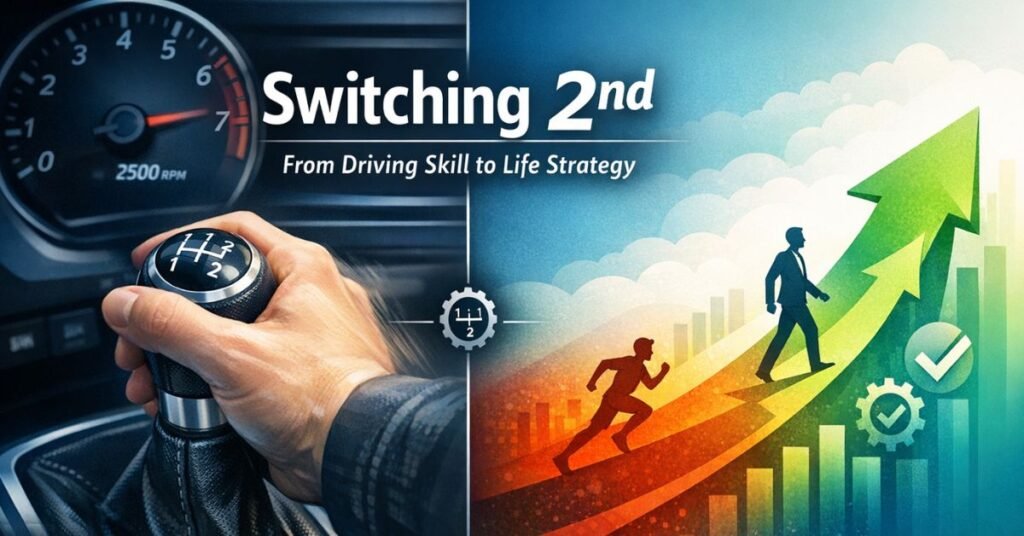
“Switching 2nd” is a term you’ll encounter everywhere—from driver’s education manuals to productivity blogs and life coaching articles. But what does it really mean? The phrase carries two distinct yet surprisingly interconnected meanings that together form a powerful framework for understanding both mechanical precision and intentional growth.
This definitive guide demystifies the term by exploring its dual nature: first, as an essential driving technique for manual transmission vehicles, and second, as a compelling metaphor for intentional change in work and life. Whether you’re learning to drive a stick shift or looking to optimize your personal productivity, mastering the concept of “switching 2nd” offers smoother transitions and better control.
What Does “Switching 2nd” Really Mean? Defining the Duality
The Technical Definition: A Core Driving Skill
In automotive terms, switching 2nd refers to the act of changing gears in a manual transmission vehicle from first gear to second gear. This fundamental skill represents one of the most important transitions a driver makes, as it bridges the gap between initial movement and sustained acceleration.
The purpose is straightforward yet critical: to balance power and torque for smoother acceleration from a complete stop. First gear provides maximum torque to overcome inertia and get the vehicle moving, but it’s designed only for low-speed operation. Second gear allows the vehicle to build speed more efficiently while maintaining engine performance within an optimal range.
The Metaphorical Meaning: A Strategy for Growth
Beyond the mechanics, switching 2nd has evolved into a powerful conceptual framework. In this context, it represents the intentional shift from a starting phase—characterized by high effort and initial momentum—to a more efficient, sustained, and controlled phase of action in any project, habit, or life area.
Just as a car cannot stay in first gear indefinitely without straining the engine, people and organizations cannot maintain initial startup intensity forever. The metaphor captures the wisdom of knowing when to transition from pure hustle to sustainable rhythm, from reactive scrambling to proactive strategy.
Mastering the Mechanics: How to Switch to 2nd Gear Perfectly
The Step-by-Step Technique
Executing a smooth transition from first to second gear requires coordination, timing, and feel. Here’s the precise method used by experienced manual transmission drivers:
- Accelerate in first gear until your engine reaches approximately 2,000 to 3,000 RPM. You’ll hear the engine note rise in pitch and may feel slight vibration through the gear lever.
- Press the clutch pedal fully to the floor with your left foot in one smooth, deliberate motion. This disengages the engine from the transmission, allowing you to change gears without grinding.
- Move the gear lever smoothly to second gear position. In most vehicles, this means pulling the lever straight back from the first gear position. Apply steady, confident pressure without forcing.
- Release the clutch gradually while simultaneously applying light pressure to the accelerator. This is the critical moment—the clutch should come up in a controlled manner, not popped or dumped suddenly.
- Find the bite point where you feel the engine begin to engage with the transmission again, then complete the clutch release while maintaining steady throttle input.
The entire sequence should feel like one fluid motion rather than discrete steps. With practice, the timing becomes instinctive, and your shifts will be virtually imperceptible to passengers.
Common Mistakes & How to Fix Them
Gear Grinding: That unpleasant metallic scraping sound occurs when you attempt to move the gear lever before fully depressing the clutch pedal. The solution is simple but requires discipline—always ensure the clutch is completely pressed before moving the lever. If grinding persists even with proper clutch usage, your synchronizers may need inspection.
Car Jerking: When the vehicle lurches forward or bucks during the shift, you’re releasing the clutch too quickly for the current RPM and throttle position. The fix involves slowing down your clutch release, particularly through the engagement point, and coordinating it more precisely with accelerator input. Think of the clutch and accelerator as partners in a dance—neither should make sudden moves.
Stalling: If the engine dies during your shift to second, you’re releasing the clutch without providing enough throttle, or you’ve let the RPM drop too low before attempting the shift. Maintain light accelerator pressure as the clutch engages, and don’t delay too long between pressing the clutch and completing the shift.
Shifting Too Early: Moving to second gear below 1,500 RPM or while barely moving causes the engine to lug and strain. Wait until you have sufficient momentum and engine speed. Your engine will communicate its readiness through sound and feel.
Shifting Too Late: Staying in first gear beyond 3,500-4,000 RPM wastes fuel, creates unnecessary engine wear, and produces excessive noise. The engine’s rising pitch is your cue to shift—don’t ignore it.
Pro Tips for Smooth Shifting Every Time
Listen to your engine. Modern vehicles are engineered to communicate their needs through sound. As you approach the ideal shift point, the engine note will change from a comfortable hum to a more strained, higher-pitched whine. This auditory cue is often more reliable than watching the tachometer.
Feel the vibration. The gear lever itself transmits information. As RPMs increase, you’ll notice increased vibration in the shifter. When you press the clutch, this vibration disappears—confirming full disengagement.
Practice in a safe, controlled environment. An empty parking lot or quiet residential street provides the ideal setting to develop muscle memory without traffic pressure. Spend time finding your vehicle’s specific engagement point and shift timing.
Maintain your clutch system. Regular inspection of clutch fluid levels, checking for wear on the clutch plate, and ensuring proper adjustment of the clutch cable or hydraulic system will make every shift smoother and extend the life of your transmission.
Understand your vehicle’s specific characteristics. Different cars have different shift points, clutch feel, and gear spacing. A sports car will behave differently than a truck. Take time to learn your particular vehicle’s personality.
The Life Strategy: Applying the “Switching 2nd” Mindset
The mechanical precision of shifting gears offers a surprisingly apt metaphor for managing energy, effort, and strategy in life and work. Just as first gear provides maximum power to overcome initial resistance but cannot sustain high speeds, the initial phase of any endeavor requires concentrated effort to build momentum. Second gear represents the transition to efficiency—you’re moving, you have momentum, and now it’s time to find a sustainable rhythm rather than red-lining your engine.
This concept addresses a common challenge in productivity and personal development: many people remain stuck in “first gear” mode, operating at maximum intensity without transitioning to more sustainable, strategic execution. The result is burnout, inefficiency, and the feeling of working hard without making proportional progress.
Identifying When You’re Stuck in “1st Gear”
Several signs indicate you haven’t made the necessary transition to a more sustainable operational mode:
Constant hustle with diminishing returns. You’re working long hours and maintaining frantic activity, but actual progress seems disproportionately small. The effort-to-outcome ratio feels off.
Chronic overwhelm and reactivity. Your days consist primarily of responding to immediate demands rather than executing planned priorities. You feel like you’re always fighting fires rather than preventing them.
Physical and mental fatigue. The initial excitement and energy that launched your project or habit have faded, replaced by grinding exhaustion. You’re forcing yourself forward through willpower alone.
Lack of systematic processes. You’re still improvising most tasks rather than operating from established routines and frameworks. Every action feels like it requires fresh decision-making energy.
Inability to delegate or scale. Because everything is custom and improvised, you cannot easily bring others into the work or expand your capacity beyond your personal effort.
These symptoms suggest you’ve successfully gotten moving—the hardest part—but haven’t yet shifted into a gear designed for the journey ahead.
Techniques to Make the Shift
Create a deliberate trigger. Just as experienced drivers shift based on RPM and engine sound, identify specific indicators that signal it’s time to change your operational mode. This might be completing an initial sprint, reaching a certain milestone, or recognizing the signs of diminishing returns from your current approach.
Prioritize and batch similar tasks. First gear thinking tackles everything with equal intensity. Second gear thinking groups similar activities together, creating efficiency through reduced context-switching and established patterns. Identify your high-impact activities and schedule dedicated blocks for them rather than sprinkling them throughout reactive days.
Build systems and standard operating procedures. The transition from first to second gear in life means moving from pure execution to creating repeatable frameworks. Document your processes, even simple ones. This allows you to operate more automatically, reserving mental energy for higher-level decisions.
Schedule focused “2nd gear” work blocks. Designate specific times for deep, strategic work as opposed to reactive task completion. During these periods, eliminate interruptions and focus on the activities that move you forward most efficiently rather than just urgently.
Measure differently. First gear metrics focus on effort and activity—hours worked, tasks completed, meetings attended. Second gear metrics emphasize outcomes and efficiency—results achieved, value created, problems solved. Adjust what you track to reflect the shift you’re making.
Accept the pace change. This can be psychologically challenging. The transition from intense startup energy to sustainable rhythm often feels like slowing down, and many people resist it, fearing they’re becoming complacent. Recognize that sustainable speed over distance beats unsustainable sprinting.
Key Benefits of Mastering Switching 2nd
In Driving
Smoother rides for everyone. Proper gear changes eliminate the jerking and lurching that make passengers uncomfortable and create a more pleasant driving experience overall.
Better vehicle control. Operating in the appropriate gear for your speed gives you optimal responsiveness for both acceleration and braking, improving safety in all conditions.
Improved fuel efficiency. Engines operate most efficiently within specific RPM ranges. Shifting appropriately keeps you in these sweet spots, reducing fuel consumption significantly over time.
Reduced mechanical wear. Smooth shifts minimize stress on the clutch, transmission, and engine mounts, extending the lifespan of expensive components and reducing maintenance costs.
Increased driver confidence. Mastering this fundamental skill removes anxiety and allows you to focus on other aspects of driving, from navigation to hazard awareness.
In Life & Work
Increased sustainable productivity. By transitioning from maximum effort to optimized effort, you accomplish more over extended periods without burning out.
Greater sense of control and agency. Moving intentionally between operational modes creates the feeling that you’re driving your life rather than being driven by circumstances.
Enhanced adaptability to changing conditions. Understanding when and how to shift gears in your approach makes you more responsive to feedback and evolving situations.
Reduced stress and anxiety. Operating at a sustainable pace with established systems creates psychological relief compared to constant crisis mode.
Better long-term outcomes. The second gear mindset favors strategic patience over reactive urgency, leading to decisions and actions that serve you well over time rather than just addressing immediate pressures.
Capacity for growth and scaling. Systems and processes built during the second gear phase create the foundation for taking on more, delegating effectively, or expanding into new areas.
Frequently Asked Questions About Switching 2nd
What is the main purpose of switching to 2nd gear in a car?
To continue accelerating smoothly and efficiently after starting from a stop. First gear is designed exclusively for initial movement and low-speed operation, providing maximum torque to overcome inertia. Second gear allows you to build speed while keeping the engine in its optimal performance range. Attempting to accelerate in first gear beyond about 15-20 mph will cause the engine to over-rev, create excessive noise, waste fuel, and potentially cause damage.
At what RPM should I switch from 1st to 2nd gear?
For most vehicles, the ideal range is between 2,000 and 3,000 RPM, though this varies by engine type and vehicle design. Rather than fixating on the tachometer, learn to listen to your engine’s sound—it will begin to strain and develop a higher-pitched whine if you wait too long. Some high-performance vehicles may shift at higher RPMs, while diesel engines often shift at lower RPMs. Consult your owner’s manual for specific recommendations, but developing feel and listening to the engine will serve you better than any fixed number.
Is making a “switching 2nd” decision in life a sign of failure or indecision?
Absolutely not. The ability to recognize when your current approach isn’t optimal and intentionally shift to a more effective mode is a sign of learning, self-awareness, and strategic thinking. Many people mistake persistence in a failing approach for virtue, when adaptability is actually the more valuable trait. As various thought leaders note, refining your methods based on experience leads to better long-term decisions and outcomes. The key is making the shift deliberately and for good reasons, not just abandoning approaches at the first sign of difficulty.
Can this concept apply to team management or business strategy?
Yes, extensively. In organizational contexts, switching 2nd represents the crucial transition from startup hustle to scalable operations. Early-stage companies and projects often succeed through sheer force of will, long hours, and the founders doing everything themselves. But sustainable growth requires shifting to documented processes, delegation, hiring specialists, and building systems. Many startups fail not because they can’t get moving, but because they don’t know when or how to make this transition—they stay in first gear too long and burn out, or they try to jump directly to cruise control without building the necessary infrastructure.
How do I know if I’ve successfully made the shift?
In driving, you’ll know because the vehicle feels smooth, the engine sounds comfortable rather than strained, and acceleration continues efficiently. In life and work, indicators include feeling less chronically overwhelmed, having established routines that reduce decision fatigue, seeing consistent progress without unsustainable effort, and having capacity to handle unexpected challenges without everything falling apart. You should feel like you’re working with sustainable rhythm rather than against constant crisis.
Conclusion
Whether you’re learning to operate a manual transmission vehicle or seeking to optimize your approach to work and personal growth, the concept of switching 2nd offers valuable insights. The technical skill teaches precision, timing, and mechanical sympathy. The metaphorical application provides a framework for transitioning from initial intensity to sustainable effectiveness.
Both versions share a common truth: success requires not just starting strong, but knowing when and how to shift into the mode that will carry you furthest. Master the transition, and you’ll find yourself making smoother progress, whether that’s down a highway or toward your most important goals.
ALSO READ: Abraham Quiros Villalba: From Electrical Engineer to Blockchain & Green Tech Visionary

Hannah Price is a dedicated news content creator with a sharp eye for accuracy, clarity, and relevance. She specializes in covering current events, global developments, and trending stories, delivering information in a clear, engaging, and trustworthy manner. With a background rooted in research-driven reporting, Hannah excels at turning fast-moving news into well-structured, reader-friendly content. Her work prioritizes credibility, context, and responsible journalism, helping audiences stay informed without unnecessary noise or bias.





Just discovered this spot and the withdrawal speed is amazing. Customer support actually picks up on the first ring. Highly recommend for anyone chasing smooth gameplay. seu777bet
Logging in here is always a quick and pleasant experience. I love the daily bonuses and how transparent the terms are. It is refreshing to find a site that actually values its players and keeps the gameplay fair and exciting. hbajee77