
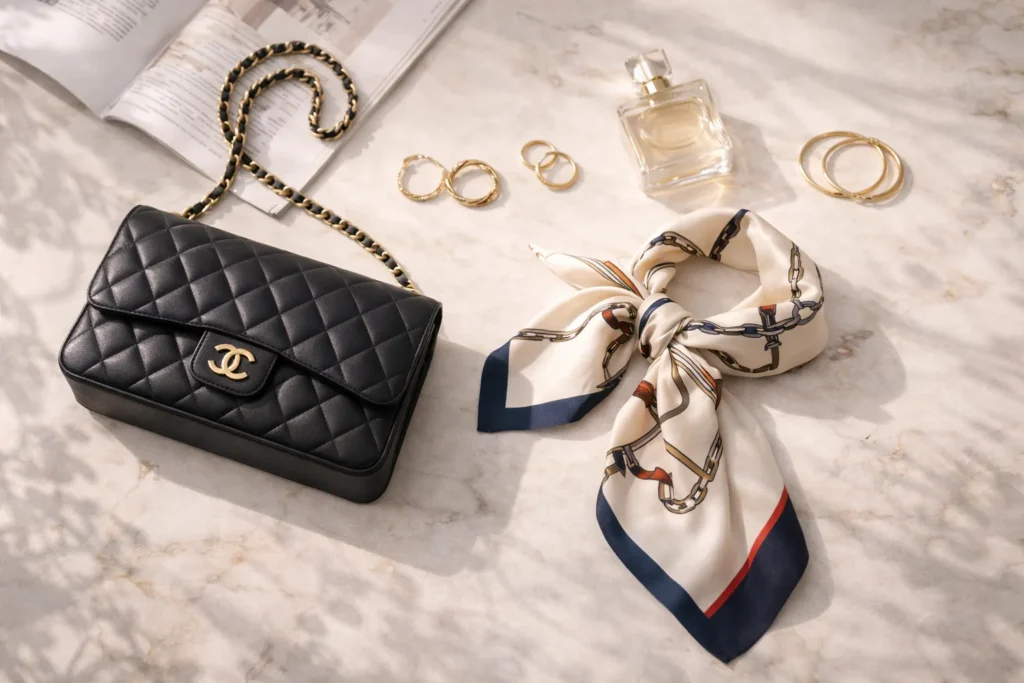
When one thinks of luxury, the mind is almost instantly transported to Paris. For centuries, French luxury brands have set the global standard for quality, elegance, and aspirational style. These Maisons (houses) are more than just purveyors of expensive goods; they are cultural institutions, guardians of artisanal traditions, and creators of dreams. From the quilted leather of a Chanel handbag to the intricate mechanics of a Cartier watch, French luxury is a language of sophistication understood worldwide.
This definitive guide will journey through the heart of French savoir-faire. We will explore the iconic brands that define haute couture, leather goods, jewelry, and perfumery. Discover the stories behind the logos, the craftsmanship that justifies the price tags, and the timeless pieces that have captivated the world for generations. Whether you are a seasoned collector or a curious admirer, prepare to be enchanted by the world of French excellence.
The Pillars of French Luxury: What Sets Them Apart?
What is it about French luxury brands that gives them such enduring power and prestige? The answer lies in a combination of history, artistry, and an uncompromising commitment to quality.
Heritage and Storytelling
Many of the most famous French brands have histories spanning over a century. Houses like Hermès (1837), Cartier (1847), and Louis Vuitton (1854) were founded in a different era, built on principles of serving royalty and a new global elite. This rich history is not just a marketing tool; it is embedded in their DNA. Each product tells a story, connecting the modern consumer to a legacy of elegance.
Unparalleled Craftsmanship (Savoir-Faire)
The French term savoir-faire translates to “know-how,” but it implies so much more. It represents generations of artisanal knowledge passed down through master craftspeople. The hand-stitching on a Hermès Kelly bag, the delicate beadwork of a Dior gown, or the precise setting of a Van Cleef & Arpels jewel are skills that take years, even decades, to perfect. This human touch is the antithesis of mass production and is the true soul of luxury.
Innovation within Tradition
While deeply rooted in history, the best French luxury brands are not stuck in the past. They are masters of innovating while respecting their heritage. Karl Lagerfeld at Chanel famously reinterpreted Coco Chanel’s iconic codes for a new generation. Similarly, designers at Dior and Louis Vuitton constantly find new ways to use classic monograms and silhouettes, keeping the brands relevant and exciting.
The Titans of Haute Couture & Ready-to-Wear
This is the realm of high fashion, where clothing becomes art. These brands dictate global trends from the runways of Paris Fashion Week.
Chanel
Founded by the revolutionary Gabrielle “Coco” Chanel in 1910, this house is the epitome of French chic. Coco Chanel liberated women from the constraints of corsets, introducing comfortable yet elegant designs.
- Signature Style: Classic, monochrome elegance, tweed suits, quilted leather.
- Iconic Pieces: The Chanel 2.55 Flap Bag, the little black dress (“la petite robe noire”), Chanel No. 5 perfume, the tweed jacket.
- The Legacy: Chanel represents timeless sophistication. It is about understated luxury rather than flashy logos (though the double C is instantly recognizable).
Dior
Founded by Christian Dior in 1946, the house burst onto the post-war scene with the “New Look,” a collection that celebrated femininity with full skirts, cinched waists, and soft shoulders.
- Signature Style: Romantic, feminine, and architectural. Known for structured silhouettes and exquisite embroidery.
- Iconic Pieces: The Bar Jacket, the Lady Dior handbag (named for Princess Diana), the Saddle Bag, J’adore perfume.
- The Legacy: Dior is a dream of feminine beauty. Each creative director, from Yves Saint Laurent to John Galliano and Maria Grazia Chiuri, has reinterpreted this core DNA.
Saint Laurent
Founded as Yves Saint Laurent in 1961, YSL revolutionized fashion by introducing high-fashion ready-to-wear (“prêt-à-porter”). Yves Saint Laurent was a visionary, empowering women with pieces borrowed from menswear.
- Signature Style: Androgynous, rock-and-roll chic, sharp tailoring.
- Iconic Pieces: Le Smoking (the first tuxedo for women), the Mondrian dress, the Sac de Jour bag, the Tribute heels.
- The Legacy: Saint Laurent is the brand for the cool, confident woman who is unafraid to be bold. It’s about power and sex appeal.
Givenchy
Hubert de Givenchy opened his house in 1952 and quickly became known for his elegant, modern designs. His most famous muse was Audrey Hepburn, for whom he designed the iconic black dress in Breakfast at Tiffany’s.
- Signature Style: Aristocratic elegance mixed with a dark, romantic edge.
- Iconic Pieces: The Antigona bag, the “Bettina” blouse, shark lock boots.
- The Legacy: Givenchy balances Parisian sophistication with a touch of gothic romance, making it a favorite among celebrities and fashion editors.
Masters of Leather Goods: The “Holy Trinity”
In the world of handbags, three French luxury brands stand above all others, known for their investment value and unparalleled leather craftsmanship.
Hermès
Originally a harness workshop established in 1837 to serve European noblemen, Hermès has evolved into the pinnacle of discreet luxury.
- Key Materials: Togo, Epsom, and Barenia leathers; exotic skins; silk.
- Iconic Pieces: The Birkin Bag, the Kelly Bag (named for Grace Kelly), silk scarves (carrés), the Oran sandals.
- Why It’s Supreme: Hermès represents the ultimate in exclusivity. Their most famous bags cannot simply be bought off the shelf; they are offered to established clients, creating a mystique and demand that drives their value higher than any other brand.
Louis Vuitton
Founded in 1854, Louis Vuitton started as a trunk-maker, creating innovative flat-topped trunks that were easier to stack for travel.
- Key Materials: The famous Monogram canvas, Damier Ebene canvas, Epi leather.
- Iconic Pieces: The Speedy bag, the Neverfull tote, the Keepall duffel bag.
- Why It’s Supreme: Louis Vuitton is a master of branding and heritage. The LV monogram is a globally recognized symbol of luxury and travel. Their canvas is famously durable, making their bags practical workhorses as well as status symbols.
Goyard
Even more secretive than Hermès, Goyard has been making trunks and leather goods since 1853. The brand does not advertise and has no e-commerce site, relying solely on word-of-mouth and its elite clientele.
- Key Materials: The signature Goyardine canvas, a chevron-patterned coated fabric.
- Iconic Pieces: The Saint Louis tote, the Anjou reversible tote, custom-made trunks.
- Why It’s Supreme: Goyard is the choice for those “in the know.” Its lack of advertising and online presence makes it feel like a secret club, the ultimate stealth wealth statement.
The Crown Jewels: High Jewelry and Watchmaking
The jewelers of Paris’s Place Vendôme are legendary, creating wearable art for royalty and billionaires.
Cartier
Founded in 1847, Cartier earned the title “Jeweler of Kings, King of Jewelers” from King Edward VII.
- Signature Style: Elegant, innovative, and clean lines.
- Iconic Pieces: The Tank watch, the Trinity ring, the LOVE bracelet (designed to be screwed on by a partner), the Panthère de Cartier collection.
- The Legacy: Cartier creates pieces that are both timeless and modern. The LOVE bracelet, designed in 1969, remains one of the most coveted pieces of jewelry in the world.
Van Cleef & Arpels
Born from the marriage of Estelle Arpels and Alfred Van Cleef, this house is known for its romantic, whimsical designs inspired by nature.
- Signature Style: Fairy-tale romance, nature motifs (flowers, butterflies), incredible technical skill.
- Iconic Pieces: The Alhambra collection (four-leaf clover motif), the Zip necklace, pieces featuring their proprietary “Mystery Set” gem-setting technique.
- The Legacy: Van Cleef & Arpels jewelry is a story of luck and love. The Alhambra motif is a globally recognized symbol of good fortune.
Boucheron
The first jeweler to open on the Place Vendôme in 1893, Boucheron is known for its bold, creative, and free-spirited designs.
- Signature Style: Inspired by nature and animals, with a focus on texture and volume.
- Iconic Pieces: The Quatre ring, the Serpent Bohème collection, the high jewelry question mark necklace.
- The Legacy: Boucheron’s designs often have a playful, slightly rebellious quality, appealing to a customer who appreciates artistry and individuality.
Other Essential French Luxury Brands to Know
Beyond the absolute titans, many other brands contribute to the rich tapestry of French luxury.
- Balmain: Known for its sharp, military-inspired tailoring and maximalist, glamorous aesthetic under Olivier Rousteing.
- Celine: The epitome of Parisian “bourgeois” style. Under various designers, it has stood for minimalist chic and sophisticated, wearable clothes.
- Chloé: Famous for its floaty, bohemian, and romantic blouses and dresses. The brand practically invented the “It bag” concept with the Paddington in 2005.
- Lanvin: The oldest French fashion house still in operation (founded in 1889). Known for its elegant draping and signature “Lanvin blue” color.
The Experience of Buying French Luxury
Purchasing an item from one of these Maisons is about more than the product itself; it is about the experience.
- The Boutique: The brand’s boutiques are architectural marvels, designed to immerse you in the brand’s world.
- The Service: Sales associates are highly trained brand ambassadors who can share the history and craftsmanship of each piece.
- The Packaging: The iconic orange of an Hermès box or the crisp white of a Chanel bag are part of the thrill. Unboxing is a ritual in itself.
Conclusion: An Investment in Art and History
The enduring allure of French luxury brands lies in their unique ability to sell a dream. When you buy a Dior dress or a Cartier watch, you are not just acquiring an object. You are buying a piece of history, a work of art created by a master artisan, and a symbol of a lifestyle defined by elegance and refinement.
These brands have survived wars, economic depressions, and the constant churn of trends because they stand for something more permanent: a commitment to beauty, quality, and the timeless power of a story well told. Building a collection of pieces from these houses is not about consumption; it’s about curating a personal legacy of style.
Frequently Asked Questions (FAQs)
Q1: What is the difference between Haute Couture and Ready-to-Wear?
A: Haute Couture (“high sewing”) is the creation of exclusive, custom-fitted clothing made by hand from start to finish. It is a legally protected term in France with strict rules. Ready-to-Wear (or prêt-à-porter) is high-fashion clothing sold in finished, standardized sizes.
Q2: Why are Hermès Birkin bags so expensive and hard to get?
A: The price is due to the incredible craftsmanship (each bag is made by a single artisan over 18-24 hours) and the use of the finest leathers. The scarcity is a deliberate business model. Hermès limits production and offers the bags to established clients to maintain exclusivity and desirability, which in turn drives up their value on the resale market.
Q3: Which French luxury brand is the best investment?
A: For handbags, Hermès, Chanel, and Louis Vuitton historically hold or increase their value over time. For jewelry, classic pieces from Cartier and Van Cleef & Arpels are considered strong investments that can be passed down for generations.
Q4: Are all French luxury brands made in France?
A: For the most part, yes, especially for their most iconic products. A Hermès leather bag is made in a French atelier. A Chanel couture gown is made in Paris. However, due to global supply chains, some ready-to-wear items or components might be produced in other European countries like Italy, which also has a strong reputation for craftsmanship.
Q5: What is the “Holy Trinity” of French handbags?
A: The term “Holy Trinity” in the handbag world refers to Hermès, Chanel, and Louis Vuitton. These three brands are considered the most prestigious and have the strongest investment value and brand recognition globally.

Sofia Bennett is a fashion content creator known for her refined perspective on style, trends, and modern elegance. She specializes in curating content that blends timeless fashion principles with contemporary aesthetics, helping readers develop confidence through personal style. Sofia’s work spans outfit styling, wardrobe essentials, and fashion inspiration, always with an emphasis on authenticity and practicality. Her approachable voice and eye for detail make fashion accessible, empowering readers to express themselves with confidence and sophistication.