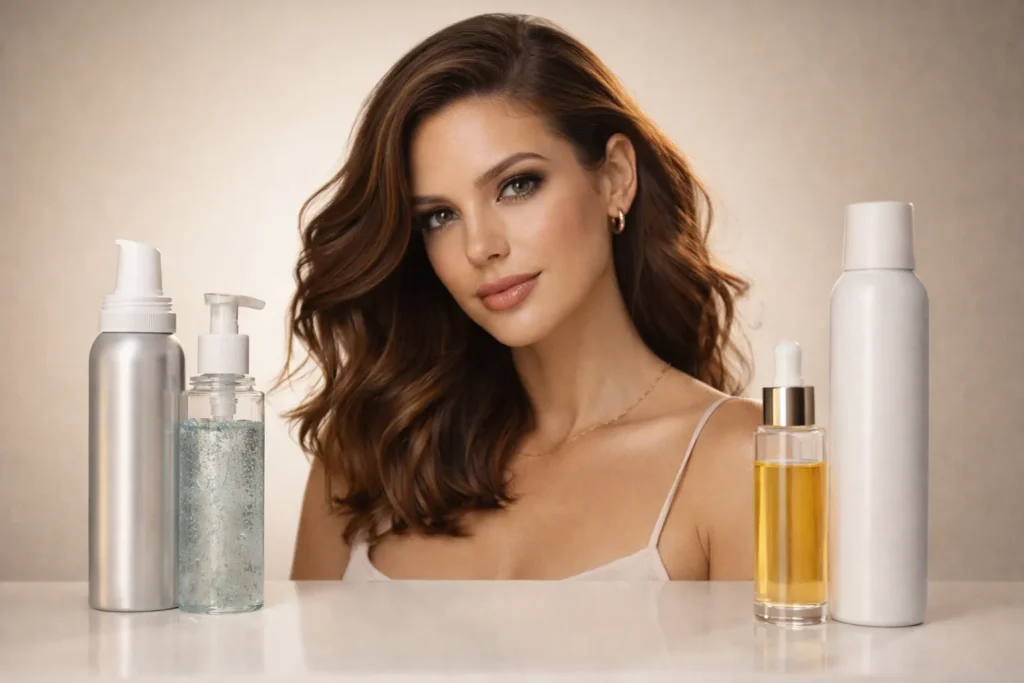
Navigating the world of hair styling products can often feel overwhelming. With countless options lining the shelves, from mousses and gels to pomades and serums, how do you choose the right one for your hair? The secret to achieving your perfect hairstyle lies in understanding your hair type and knowing which products will help you reach your goals. This guide will demystify the vast array of options, helping you select the best products to tame frizz, boost volume, define curls, or create a sleek, polished look.
Whether you have fine, straight hair or thick, coily curls, there is a perfect product waiting for you. We will explore the different categories of styling products, explain their functions, and provide tips on how to use them effectively. Get ready to transform your hair routine and unlock the potential for a great hair day, every day.
Understanding Your Hair: The First Step to Perfect Styling
Before you can choose the right hair styling products, you need to understand your own hair. Hair is primarily categorized by its type (straight, wavy, curly, coily) and its structure or texture (fine, medium, thick/coarse). Porosity, or your hair’s ability to absorb moisture, also plays a crucial role. Knowing these characteristics is fundamental to building an effective hair care and styling regimen.
Identifying Your Hair Type
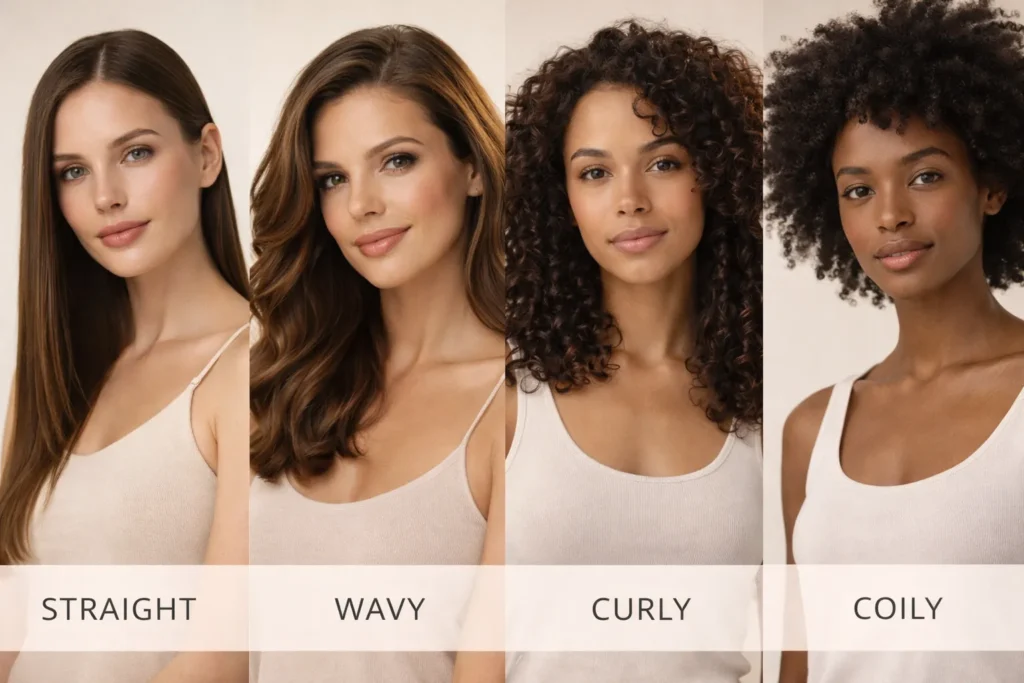
Hair type is determined by the shape of your hair follicles. While it can seem complex, most hair falls into one of four main categories.
- Type 1: Straight Hair: Lacks natural curl. It can range from fine and thin to coarse and thick. Straight hair tends to get oily faster than other types because scalp oils can travel down the hair shaft without curls to obstruct them.
- Type 2: Wavy Hair: Sits between straight and curly, with a distinct “S” shape. Wavy hair can be prone to frizz and might be fine (2A), medium (2B), or coarse (2C).
- Type 3: Curly Hair: Forms defined, springy loops or corkscrews. This hair type is often dry and frizz-prone because natural oils have a harder time traveling down the coiled strands. Subcategories include loose curls (3A), tight curls (3B), and corkscrews (3C).
- Type 4: Coily Hair: Features tightly packed curls or zig-zag patterns. This is the most fragile hair type and requires significant moisture to stay healthy and prevent breakage. It includes tight coils (4A), “Z” patterned strands (4B), and tightly shrunk coils (4C).
Determining Hair Texture and Porosity
Beyond the curl pattern, texture and porosity are key factors.
- Texture (Fine, Medium, Coarse): This refers to the thickness of individual hair strands. You can test this by comparing a strand of your hair to a piece of sewing thread. If it’s thinner, you have fine hair. If it’s thicker, you have coarse hair. If it’s similar, you have medium hair. Fine hair can be easily weighed down by heavy products, while coarse hair often needs stronger hold and more moisture.
- Porosity (Low, Medium, High): This measures how well your hair absorbs and retains moisture. To test it, place a clean strand of hair in a glass of water. If it floats, you have low porosity hair, which resists moisture. If it sinks slowly, you have medium porosity. If it sinks quickly, you have high porosity hair, which absorbs moisture easily but can also lose it just as fast.
Once you know your hair’s unique profile, you can start choosing products specifically designed to address its needs.
The Essential Toolkit: A Breakdown of Hair Styling Products
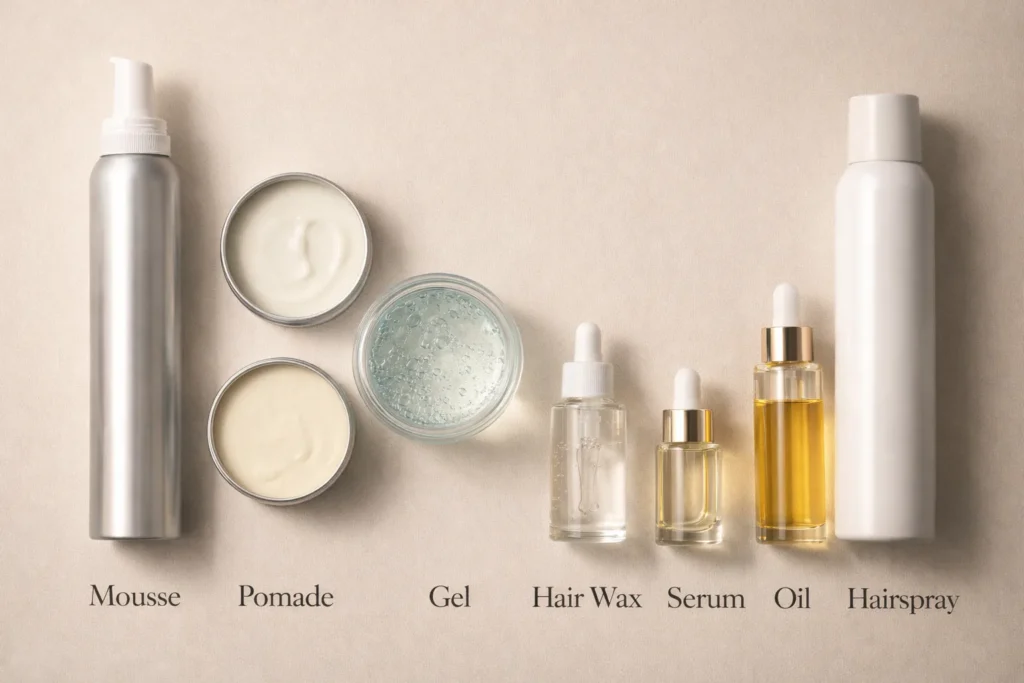
With a clear understanding of your hair, let’s dive into the main categories of styling products. Each one serves a unique purpose, from providing hold and texture to adding shine and taming frizz.
Hairspray: The Finishing Touch
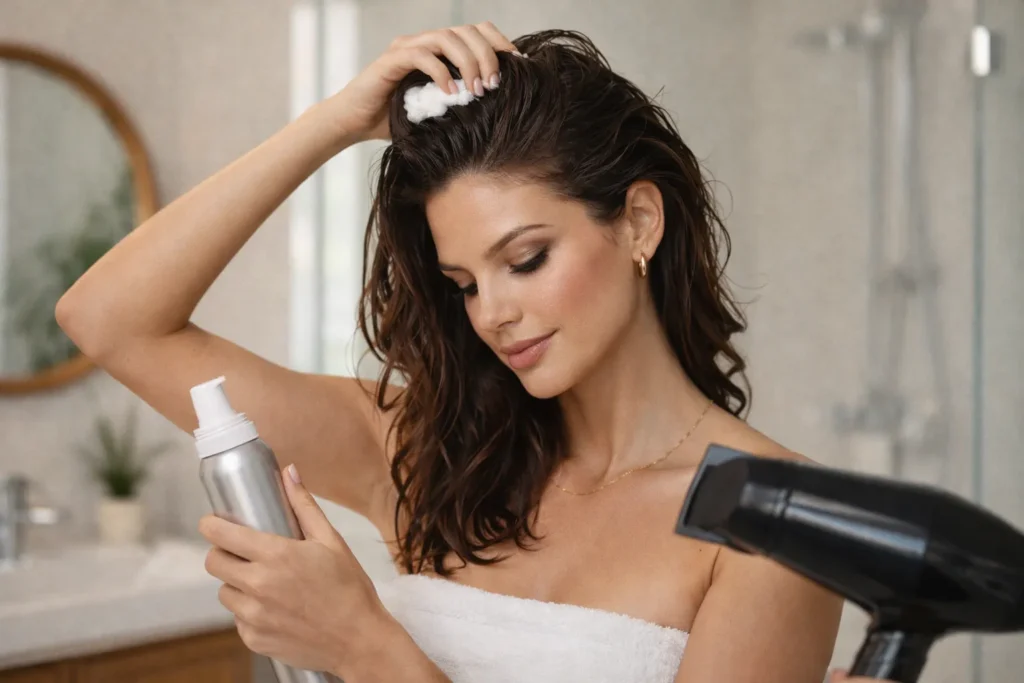
Hairspray is one of the most classic hair styling products, designed to lock your finished style in place. Modern formulas offer a range of hold levels and finishes, moving far beyond the stiff, crunchy sprays of the past.
- Light Hold: Perfect for fine hair or styles that need to retain natural movement. It helps control flyaways without making hair rigid.
- Medium Hold: A versatile option for everyday styles, offering enough control to keep your look together while still allowing for some flexibility.
- Strong/Maximum Hold: Ideal for intricate updos, voluminous styles, or for ensuring your hair withstands humidity and activity.
How to Use: Hold the can 8-12 inches away from your hair and spray in a continuous motion. For extra volume, flip your hair upside down and spray at the roots.
Mousse: The Volume Booster
Mousse is a lightweight foam styler that excels at adding volume and body, especially to fine or limp hair. It can also help define curls and waves without weighing them down.
- Benefits: Mousse provides volume from the roots, enhances texture, and offers a light-to-medium hold. Many formulas also include heat protectant qualities.
- Best For: Fine to medium hair types seeking lift and fullness. It’s also an excellent choice for enhancing natural waves and curls.
How to Use: Dispense a golf-ball-sized amount into your palm. Apply evenly through damp hair, focusing on the roots for maximum lift. Comb through and style as usual.
Gels and Pomades: For Hold and Sculpting
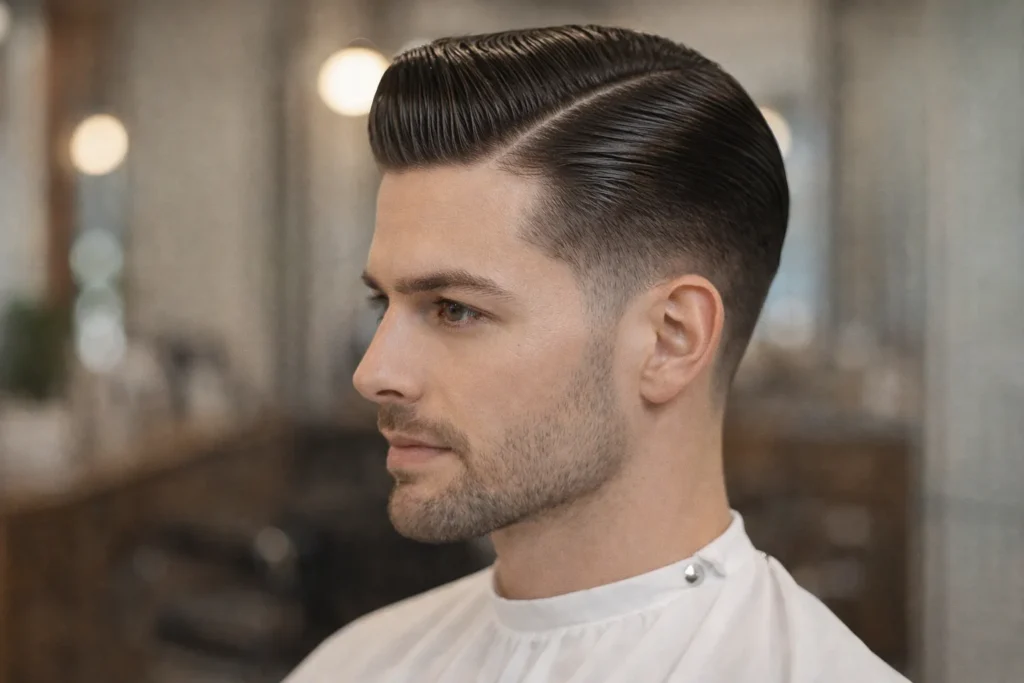
Gels and pomades are go-to products for creating structured, defined hairstyles. While often grouped, they serve different purposes.
Hair Gel
Hair gel provides a strong, often rigid hold with a high-shine, wet-look finish. It’s ideal for slicked-back styles, spiking short hair, or defining curls with maximum control. Gels work by coating the hair and hardening as they dry.
- Best For: Short to medium hair, creating wet looks, and achieving a strong hold that lasts all day.
Pomade
Pomade offers a more flexible hold than gel and is available in various finishes, from matte to high-shine. It doesn’t harden, allowing for restyling throughout the day.
- Water-Based Pomades: Offer a range of holds and wash out easily. They are great for creating neat, polished styles like pompadours and side parts.
- Oil-Based Pomades: Provide a strong hold and are water-resistant, making them durable. They can be more difficult to wash out and are best for classic, slick styles.
How to Use: Start with a small, pea-sized amount. Warm it between your palms and apply to dry or slightly damp hair. Build up the product as needed to achieve your desired level of hold and texture.
Waxes, Clays, and Pastes: For Texture and Matte Finish
If you’re aiming for a natural, textured, or messy look, waxes, clays, and pastes are your best friends. These products provide a pliable hold with a low-shine or matte finish.
- Hair Wax: Offers a medium, flexible hold and a slight shine. It’s excellent for creating definition and managing shorter hairstyles without stiffness.
- Hair Clay: Absorbs oil, providing a strong, matte hold that adds thickness and texture. It’s a fantastic choice for men’s hair styles that need volume and a natural finish. Bentonite clay is a common ingredient that helps swell the hair shaft.
- Hair Paste: A versatile styler that sits between wax and clay. It offers a medium hold with a low-shine or semi-matte finish, making it great for adding texture and separation to a variety of lengths.
How to Use: Similar to pomade, warm a small amount between your hands and work it through dry hair to create your desired texture and shape.
Serums and Oils: For Shine and Frizz Control
Serums and oils are finishing products designed to smooth the hair cuticle, tame frizz, and add a healthy-looking shine. They don’t typically provide hold but are essential for a polished look.
- Hair Serum: Usually silicone-based, serums coat the hair to create a smooth, glossy surface. They are excellent for controlling frizz, protecting against humidity, and adding shine to straight or wavy hair.
- Hair Oil: Products like argan oil or coconut oil penetrate the hair shaft to provide moisture and nourishment. They are ideal for dry, coarse, or curly hair, helping to combat frizz and add softness.
How to Use: Apply a few drops to the palms of your hands and distribute through the mid-lengths and ends of dry or damp hair. Avoid applying directly to the roots, which can make hair look greasy.
Creams and Lotions: For Softness and Hydration
Styling creams and lotions offer a light, soft hold while moisturizing the hair. They are perfect for achieving a natural, “undone” look or for taming frizz without the crunch of gel or the weight of pomade.
- Curl Creams: Specifically formulated to enhance and define curls. They provide moisture, reduce frizz, and give curls a soft, touchable hold. They are a staple for anyone with curly or coily hair.
- Styling Lotions: Lightweight and great for fine or straight hair, providing slight control and taming flyaways for a smooth, polished finish.
How to Use: Apply to damp hair and either air-dry or diffuse for soft, defined curls. For straight hair, use a small amount before blow-drying for a smooth result.
Heat Protectants: The Non-Negotiable Styler
If you use any heat styling tools—blow dryers, flat irons, or curling wands—a heat protectant spray is absolutely essential. These products create a barrier between your hair and the heat, preventing damage, breakage, and moisture loss. Many styling products now include heat protectants, but a dedicated spray offers the best defense.
How to Use: Spray generously onto damp or dry hair before applying any heat. Comb through to ensure even distribution.
Product Recommendations for Every Hair Type
Now, let’s put it all together. Here are some tailored recommendations for choosing the right hair styling products based on your specific hair type and goals.
For Fine, Straight Hair
The primary challenges for fine hair are a lack of volume and being easily weighed down.
- Goal: Volume: Use a volumizing mousse on damp roots before blow-drying. Finish with a light-hold texturizing spray to add body without stiffness.
- Goal: Texture: A dry texture spray or a lightweight hair paste can create separation and an effortless look on dry hair.
- Products to Avoid: Heavy oils, serums, and strong-hold gels can make fine hair look flat and greasy.
For Wavy Hair
Wavy hair needs products that enhance its natural S-shape without causing frizz or weighing it down.
- Goal: Define Waves: A sea salt spray can enhance natural texture for a beachy look. Alternatively, a lightweight curl cream applied to damp hair will define waves softly.
- Goal: Control Frizz: A light serum or anti-frizz cream applied to dry hair will smooth flyaways.
- Styling Tip: Use a diffuser attachment on your blow dryer to gently dry your hair, encouraging wave formation.
For Curly Hair
Curly hair thrives on moisture and needs products that define curls while combating frizz and dryness.
- Goal: Defined, Frizz-Free Curls: The “LOC” or “LCO” method (Liquid, Oil, Cream or Liquid, Cream, Oil) is popular. Start with a leave-in conditioner (liquid), followed by a curl cream (cream), and seal with a hair oil or a light-hold gel (oil).
- Products to Embrace: Look for sulfate-free shampoos and conditioners, deep conditioning treatments, and styling creams specifically for curly hair.
- Styling Tip: Apply products to soaking wet hair for best results, then “plop” your hair in a t-shirt to remove excess water before diffusing or air-drying.
For Coily Hair
Coily hair is the most fragile type and requires maximum moisture and gentle handling.
- Goal: Moisture and Definition: Rich butters and heavy creams are excellent for providing intense hydration. Gels with strong hold can define coils and provide long-lasting styles like twist-outs.
- Essential Products: A moisturizing leave-in conditioner is a must, followed by a thick styling cream or butter. Edge control products can slick down hairlines for a polished finish.
- Products to Avoid: Drying alcohols in some gels and sprays can cause breakage. Always check ingredient lists.
For Men’s Hair Styling
Men’s styling often focuses on hold, texture, and finish for shorter cuts.
- For a Polished, Professional Look: A medium-hold, water-based pomade provides shine and control that’s perfect for a side part or slick-back.
- For a Textured, Natural Look: A matte-finish hair clay or paste adds volume and pliable hold, ideal for messy quiffs or textured crops.
- For Strong Hold: A high-hold pomade or wax will keep more demanding styles, like a pompadour, in place all day.
How to Avoid Product Buildup
Using multiple hair styling products can lead to buildup, which leaves hair looking dull, heavy, and lifeless. Here’s how to manage it:
- Use a Clarifying Shampoo: Incorporate a clarifying shampoo into your routine once every 1-2 weeks. This will deep-clean your hair and scalp, removing residue from products, oils, and hard water.
- Start with Less: Always begin with a small amount of product and add more only if needed. It’s easier to add than to take away.
- Apply Correctly: Apply products like serums and oils to the lengths and ends of your hair, avoiding the scalp where buildup is more likely to occur.
- Rinse Thoroughly: When washing your hair, make sure you rinse out all the shampoo and conditioner completely.
Conclusion: Master Your Style with the Right Products
Choosing the right hair styling products is a journey of discovery that starts with understanding your hair’s unique needs. By identifying your hair type, texture, and desired outcome, you can confidently select the mousses, pomades, creams, and sprays that will bring your vision to life.
Remember that less is often more. Start with a small amount of product and build as needed. Don’t be afraid to experiment with different combinations to find what works best for you. With the right knowledge and tools at your disposal, you can move beyond frustrating hair days and create beautiful, healthy, and perfectly styled hair every single day. Your perfect hairstyle is not just a dream it’s an achievable reality.
Frequently Asked Questions (FAQs)
Q1: Can I use multiple hair styling products at the same time?
A: Absolutely! Layering products is often the key to achieving a great style. For instance, you might use a mousse for volume at the roots, a cream to define the ends, and a hairspray to set everything. The trick is to use small amounts of each product and choose formulas that are compatible.
Q2: What is the difference between a hair wax and a pomade?
A: The main difference lies in their finish and hold. Pomades are typically used for slick, neat styles and come in both matte and high-shine finishes. Waxes provide a more pliable, medium hold with a natural, often semi-matte finish, making them better for textured or messy looks.
Q3: How do I choose a product for frizzy hair?
A: Frizzy hair is often a sign of dryness. Look for moisturizing products like leave-in conditioners, hair serums, or anti-frizz creams. Applying a hair oil to the ends can also help smooth the hair cuticle and tame frizz. For curly hair, a good curl cream is essential.
Q4: Are expensive hair styling products better than drugstore options?
A: Not necessarily. While professional or salon-grade products often contain higher-quality ingredients and more advanced formulations, many affordable drugstore brands offer excellent results. The “best” product is the one that works for your hair type and budget. It often comes down to trial and error.
Q5: What are sulfate-free hair products and why should I use them?
A: Sulfates are strong detergents used in many shampoos to create a lather. However, they can strip the hair of its natural oils, leading to dryness and frizz, especially for those with curly, coily, or color-treated hair. Sulfate-free products use milder cleansers that are gentler on the hair and help maintain its natural moisture balance.

Sofia Bennett is a fashion content creator known for her refined perspective on style, trends, and modern elegance. She specializes in curating content that blends timeless fashion principles with contemporary aesthetics, helping readers develop confidence through personal style. Sofia’s work spans outfit styling, wardrobe essentials, and fashion inspiration, always with an emphasis on authenticity and practicality. Her approachable voice and eye for detail make fashion accessible, empowering readers to express themselves with confidence and sophistication.