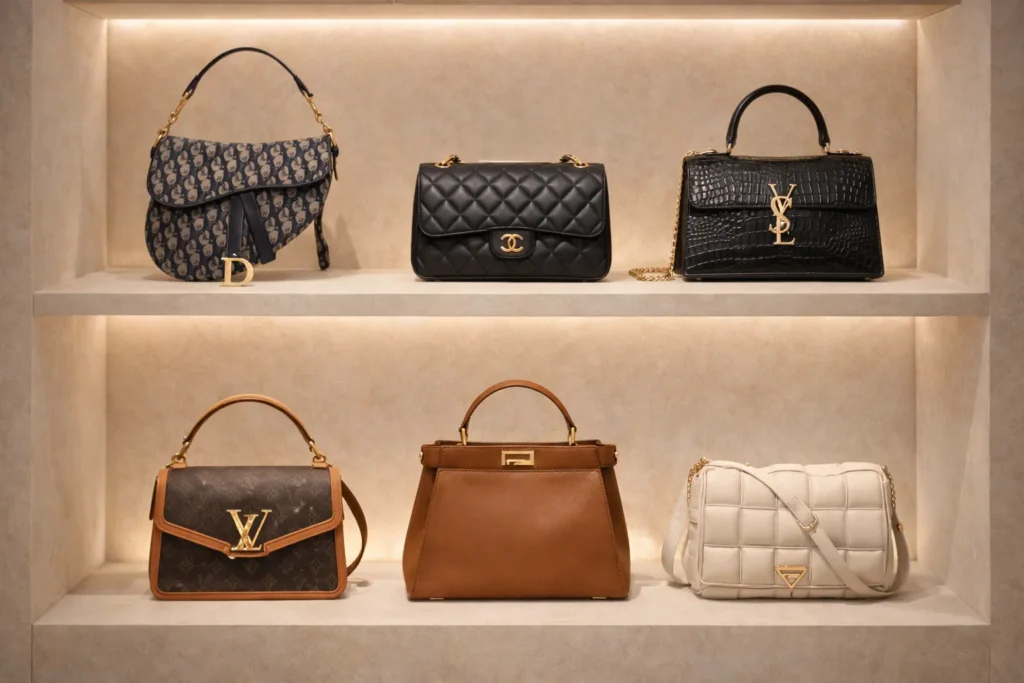
For fashion enthusiasts and collectors alike, handbags by designers represent more than just a place to store your wallet and keys. They are symbols of craftsmanship, heritage, and personal style. Whether it’s the quilted elegance of a Chanel flap bag or the structured sophistication of a Hermès Birkin, these accessories have the power to elevate any outfit and, in many cases, serve as valuable investment pieces.
Navigating the world of luxury handbags can be overwhelming. With countless brands, styles, and materials to choose from, how do you decide which piece is right for you? This comprehensive guide will walk you through everything you need to know about designer purses. We will explore the history behind iconic brands, how to spot a future classic, and the essential care tips to keep your investment looking pristine for decades.
Why We Love Handbags by Designers
The allure of a designer bag goes beyond the logo. It is about the promise of quality and the story behind the creation. When you purchase a luxury handbag, you are buying into a legacy.
Unparalleled Craftsmanship
One of the primary reasons handbags by designers command such high prices is the level of artistry involved in their creation. Unlike mass-produced accessories, luxury bags are often handmade by skilled artisans who have spent years mastering their craft.
- Materials: Top-tier leather, exotic skins, and high-quality hardware are standard.
- Stitching: Precision is key. Many designer bags feature hand-stitching techniques that machines simply cannot replicate.
- Durability: These bags are built to last. A well-made designer bag can be passed down through generations.
Investment Value
While cars and electronics depreciate the moment you take them home, certain designer handbags can actually increase in value over time. The “Holy Trinity” of handbag investments—Hermès, Chanel, and Louis Vuitton—have historically outperformed the stock market in some years. Limited edition releases and discontinued styles often fetch premium prices on the resale market.
A Statement of Style
A designer handbag is an instant style upgrade. It can transform a simple jeans-and-tee outfit into a chic ensemble. It signals a sophisticated taste and an appreciation for the finer things in life. Whether you prefer the minimalist aesthetic of The Row or the bold, logo-heavy look of Gucci, there is a designer bag that perfectly encapsulates your personal brand.
Top Designer Brands You Should Know
The landscape of luxury fashion is vast, but a few key players have defined the industry. Here is a breakdown of the most influential brands in the world of designer handbags.
The Classics: Heritage Brands
These houses have been around for decades (or even centuries) and are responsible for the most iconic bag silhouettes in history.
- Hermès: Known for exclusivity and unparalleled leather quality. The Birkin and Kelly are arguably the most coveted bags in the world.
- Chanel: The epitome of French chic. The 2.55 Flap Bag revolutionized women’s fashion by introducing a shoulder strap, freeing up women’s hands.
- Louis Vuitton: Famous for its durable monogram canvas. The Speedy and Neverfull are entry-level classics that remain incredibly popular.
- Gucci: A brand that successfully blends heritage with modern eccentricity. The Jackie 1961 and the Dionysus are current favorites.
The Modern Icons
These brands may be younger or have reinvented themselves, but they are currently shaping the trends.
- Bottega Veneta: Under recent creative direction, their woven “Intrecciato” leather bags, like the Cassette and the Jodie, have become “It” bags.
- Saint Laurent (YSL): Known for rock-chic vibes and the prominent YSL logo hardware. The Loulou and the Sac de Jour are staples.
- Prada: Famous for nylon and Saffiano leather. The Re-Edition nylon bags tapped into 90s nostalgia and became an instant hit.
- Loewe: A Spanish luxury house known for its Puzzle bag, which showcases incredible leather geometry and craftsmanship.
Categories of Handbags by Designers
To choose the right bag, you need to understand the different styles available. Each serves a different purpose and fits a different lifestyle.
The Tote Bag
The workhorse of the handbag world. Totes are large, open-top bags with two parallel handles.
- Best For: Work, travel, and busy moms.
- Designer Examples: Louis Vuitton Neverfull, Christian Dior Book Tote, Goyard Saint Louis.
The Crossbody Bag
Practical and hands-free, the crossbody features a long strap that is worn across the body.
- Best For: Errands, shopping, and casual outings.
- Designer Examples: Gucci Soho Disco, YSL Lou Camera Bag, Prada Nylon Messenger.
The Shoulder Bag
The most classic silhouette. These bags have a strap designed to sit comfortably on the shoulder.
- Best For: Everyday wear and transitioning from day to night.
- Designer Examples: Chanel Classic Flap, Fendi Baguette, Gucci Jackie.
The Top Handle Bag
Structured and ladylike, these bags are carried in the hand or the crook of the arm.
- Best For: Formal events, business meetings, and sophisticated lunches.
- Designer Examples: Hermès Kelly, Lady Dior, Givenchy Antigona.
The Clutch
Small, flat bags without handles or straps (though some come with detachable chains).
- Best For: Weddings, galas, and nights out.
- Designer Examples: Bottega Veneta The Pouch, Alexander McQueen Knuckle Clutch.
How to Choose Your First Designer Handbag
Buying your first luxury bag is a milestone. It’s a significant financial commitment, so you want to ensure you make the right choice. Here are some factors to consider.
1. Define Your Budget
Designer bags range from around $1,000 to well over $20,000. Set a firm budget before you start looking. Don’t forget to factor in potential taxes or shipping costs. If a brand-new bag is out of reach, consider the pre-loved market, which offers excellent value.
2. Consider Your Lifestyle
Be realistic about how you will use the bag.
- Do you carry a laptop? You need a sturdy tote.
- Are you always on the go? A crossbody is essential.
- Do you attend many formal events? A clutch or mini bag might be best.
Buying a bag that doesn’t fit your daily life means it will sit in your closet gathering dust.
3. Choose a Versatile Color
For your first investment, stick to neutral colors. Black, beige, tan, or grey will match almost everything in your wardrobe. While a neon green bag is fun, it’s harder to style and may go out of fashion quickly.
4. Think Long-Term
Ask yourself: “Will I still love this bag in five years?” Trendy bags are exciting, but classics are forever. Avoid overly loud prints or extremely seasonal shapes if you want longevity.
5. Resale Value
If you think you might want to sell the bag later to fund a new purchase, research its resale value. Brands like Hermès, Chanel, and Louis Vuitton hold their value best.
Authenticating Handbags by Designers
The counterfeit market is sophisticated, so knowing how to spot a fake is crucial, especially when buying pre-owned.
- Check the Logo: Designer logos are precise. Look for smudging, uneven font weights, or incorrect spelling.
- Examine the Hardware: Zippers should run smoothly. Metal hardware should feel heavy and substantial, not hollow or plastic-like.
- Inspect the Stitching: Luxury stitching is usually angled and perfectly even. Loose threads or double stitching where it shouldn’t be are red flags.
- Smell the Leather: Real leather has a distinct, rich smell. Fakes often smell like chemicals or plastic.
- Serial Numbers and Date Codes: Most designer bags have a serial number or date code hidden inside. Verify that this code matches the bag’s production year and model.
Caring for Your Investment
Proper care will extend the life of your handbags by designers and maintain their value.
Storage
- Stuff it: When not in use, stuff the bag with acid-free tissue paper or a bag pillow to help it keep its shape.
- Cover it: Always store the bag in its original dust bag. Avoid plastic bags, as they can trap moisture and cause mold.
- Shelf it: Store bags upright on a shelf. Hanging them by their straps for long periods can distort the handles.
Cleaning
- Leather: Wipe down with a soft, dry microfiber cloth. For deeper cleaning, use a specialized leather conditioner recommended by the brand.
- Interior: Use a lint roller to remove dust and crumbs from the lining.
- Hardware: Polish metal hardware with a jewelry cloth to prevent tarnishing.
Protection
- Avoid Elements: Keep your bag away from direct sunlight, which can fade the color, and rain, which can stain the leather.
- Rotate: Avoid wearing the same bag every single day. Rotating your collection gives the leather time to “rest.”
The Rise of Sustainable Luxury
The fashion industry is changing, and sustainability is becoming a major focus for handbags by designers.
Alternative Materials
Many brands are exploring eco-friendly alternatives to traditional leather. Stella McCartney has long been a pioneer in vegetarian leather. Other brands are experimenting with mushroom leather (mycelium), cactus leather, and recycled nylon.
The Pre-Loved Market
Buying second-hand is the most sustainable way to shop for luxury. It extends the lifecycle of the product and reduces the demand for new resource-intensive manufacturing. Platforms like The RealReal, Vestiaire Collective, and Rebag have made buying authenticated pre-owned bags safe and easy.
Circular Fashion
Some brands are introducing buy-back programs or repair services to ensure their products stay in circulation longer. Investing in high-quality items that last for decades is inherently more sustainable than buying “fast fashion” bags that fall apart after a few months.
Conclusion: Finding Your Perfect Companion
Handbags by designers are more than accessories; they are functional art. They carry our daily essentials while telling the world a little bit about who we are. Whether you are saving up for your first Louis Vuitton Speedy or hunting for a rare vintage Chanel, the journey is just as exciting as the destination.
By understanding the history, recognizing quality, and making informed choices, you can build a collection that brings you joy for years to come. Remember, the best designer bag is the one that makes you feel confident, organized, and undeniably you.
Frequently Asked Questions (FAQs)
Q1: Which designer handbag is the best investment?
A: Historically, the Hermès Birkin and Kelly bags, as well as the Chanel Classic Flap bag, have shown the most consistent increase in value. They are difficult to purchase new at retail due to high demand, which drives up their price on the secondary market.
Q2: How do I clean the inside of my designer bag?
A: First, empty the bag completely. Turn the lining inside out if possible and shake out debris. Use a lint roller to pick up dust. If the lining is fabric, you can gently spot clean with a mild soap and water solution, but be careful not to get the leather wet.
Q3: Are designer bags cheaper in Europe?
A: Generally, yes. European brands like Louis Vuitton, Chanel, and Gucci are often cheaper in Europe due to the absence of import duties and taxes that are added when they are sold in other countries. Additionally, tourists can often claim a VAT (Value Added Tax) refund.
Q4: What is a “Vegan” designer bag?
A: A vegan designer bag is made without any animal products. This means no leather, suede, wool, or silk. Brands like Stella McCartney are famous for high-quality luxury bags that are 100% cruelty-free.
Q5: Can I repair a damaged designer bag?
A: Yes. Most luxury brands offer repair services for their products. You can bring the bag to a boutique to have zippers replaced, stitching fixed, or handles repaired. There are also independent “bag spas” that specialize in restoring luxury handbags.

Sofia Bennett is a fashion content creator known for her refined perspective on style, trends, and modern elegance. She specializes in curating content that blends timeless fashion principles with contemporary aesthetics, helping readers develop confidence through personal style. Sofia’s work spans outfit styling, wardrobe essentials, and fashion inspiration, always with an emphasis on authenticity and practicality. Her approachable voice and eye for detail make fashion accessible, empowering readers to express themselves with confidence and sophistication.