
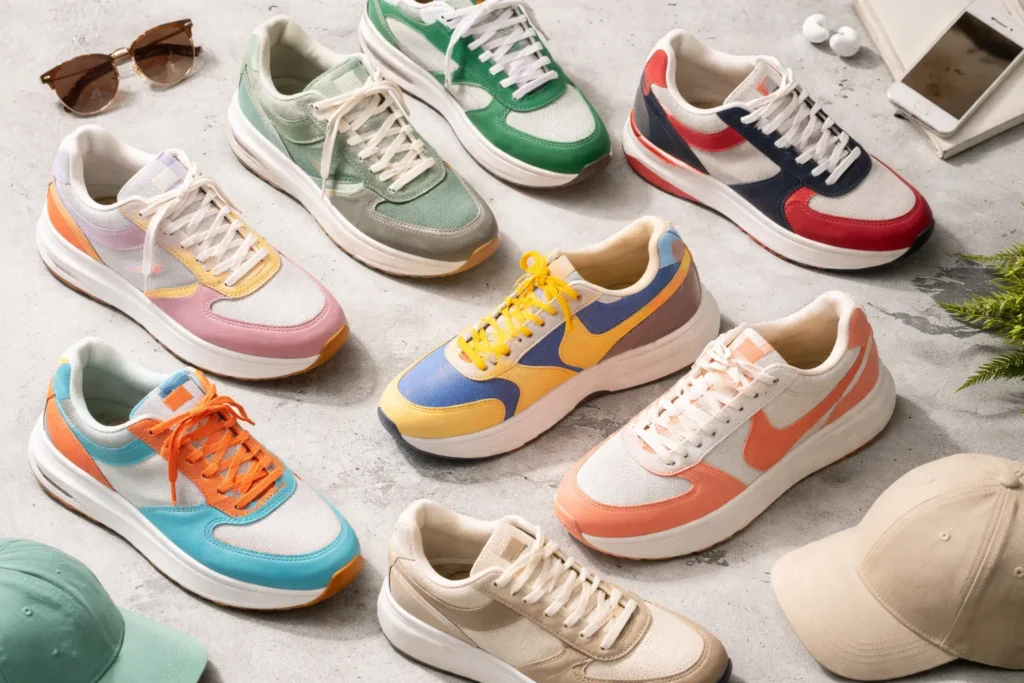
In the ever-evolving landscape of modern style, few items have made as significant an impact as the humble sneaker. Once reserved strictly for athletic pursuits, sneakers fashion has exploded into a global cultural phenomenon that transcends age, gender, and social status. From the boardroom to the runway, sneakers are no longer just about comfort—they are a statement of identity, a collector’s item, and the cornerstone of contemporary wardrobes.
Whether you are a dedicated “sneakerhead” camping out for the latest drop or someone simply looking to elevate your daily casual wear, understanding the nuances of sneaker culture is essential. This comprehensive guide will walk you through the history of this footwear revolution, break down the must-have styles for every closet, and provide actionable tips on how to style them for any occasion.
The Evolution of Sneaker Culture
To truly appreciate the current state of sneakers fashion, we must look back at its origins. The journey from rubber-soled plimsolls to high-fashion collaborations is a fascinating study in cultural shifts.
From the Court to the Street
The story begins in the late 19th and early 20th centuries with the invention of rubber-soled shoes for tennis and basketball. However, the real turning point came in the 1980s. The release of the Air Jordan 1 in 1985 changed everything. Michael Jordan wasn’t just selling a basketball shoe; he was selling an aspiration. Simultaneously, hip-hop culture in New York City embraced brands like Adidas (immortalized by Run-D.M.C.), transforming athletic gear into street style staples.
The Rise of the Hypebeast
By the 2000s and 2010s, the internet and social media accelerated the culture. Limited releases, collaborations between artists like Kanye West and major brands, and the resale market turned sneakers into a high-stakes commodity. “Drop culture” was born, where exclusivity drove demand, and sneakers became investment assets rivaling stocks and gold.
High Fashion embrace
Today, the lines between luxury and streetwear are blurred. High-end fashion houses like Balenciaga, Gucci, and Dior have released their own luxury sneakers or collaborated with heritage sports brands like Nike. This legitimization has cemented sneakers as a permanent fixture in the fashion hierarchy.
Essential Sneaker Styles Every Wardrobe Needs
Building a versatile sneaker rotation doesn’t mean owning hundreds of pairs. It means having the right mix of styles to cover different aesthetic needs. Here are the core categories of sneakers fashion.
1. The Minimalist White Leather Sneaker
If you only own one pair of sneakers, make it these.
- The Look: Clean lines, low-top silhouette, minimal branding, and pristine white leather.
- Why You Need Them: They are the chameleon of footwear. They look just as good with a suit as they do with gym shorts.
- Iconic Examples: Common Projects Achilles Low, Adidas Stan Smith, Veja Campo.
2. The Retro Runner / “Dad Shoe”
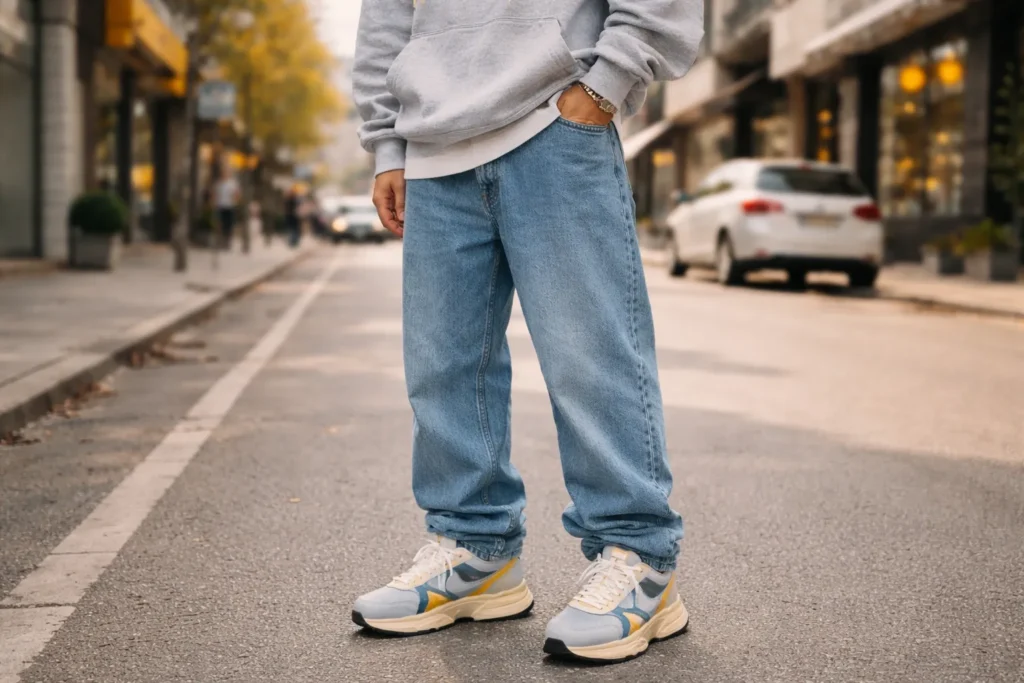
This trend has dominated the last few years, focusing on chunky silhouettes and comfort.
- The Look: Thick soles, mesh and suede uppers, and a nostalgic 90s aesthetic.
- Why You Need Them: They add texture and a relaxed vibe to an outfit. They are incredibly comfortable for all-day wear.
- Iconic Examples: New Balance 990 series, Nike Air Monarch, Asics Gel-Kayano.
3. The Classic High-Top
Originally designed for basketball support, the high-top is now a casual staple.
- The Look: Ankle-covering height, often made of canvas or leather.
- Why You Need Them: They offer a rugged, timeless appeal that pairs perfectly with denim.
- Iconic Examples: Converse Chuck Taylor All Star, Nike Blazer Mid, Vans Sk8-Hi.
4. The Hype / Statement Sneaker
This is the pair that turns heads. It’s where you show your personality.
- The Look: Bold colors, unique designs, limited edition collaborations, or futuristic silhouettes.
- Why You Need Them: To act as the focal point of an otherwise simple outfit.
- Iconic Examples: Nike Air Jordan 1, Adidas Yeezy Boost 350, Nike Dunk Low.
5. The Slip-On
For days when convenience is king but you still want to look put-together.
- The Look: Laceless design, often canvas, with elastic side accents.
- Why You Need Them: Effortless cool. Perfect for travel and summer days.
- Iconic Examples: Vans Classic Slip-On (especially in checkerboard), luxury leather slip-ons.
How to Style Sneakers for Any Occasion
The versatility of sneakers allows them to be worn in almost any setting, provided you follow a few styling rules.
Casual Weekend: The Effortless Vibe
This is the home turf of the sneaker. The goal is to look comfortable but curated.
- The Formula: Slim or straight-leg jeans + a quality plain t-shirt + Retro Runners or High-Tops.
- Styling Tip: Cuff your jeans slightly to show off the full silhouette of the shoe. Layer with a flannel shirt or a bomber jacket for added dimension.
Smart-Casual: The Office Upgrade
Yes, you can wear sneakers to work in many modern offices. The key is condition and material.
- The Formula: Chinos or tailored trousers + an Oxford button-down shirt + Minimalist White Leather Sneakers.
- Styling Tip: Ensure your sneakers are spotless. A dirty shoe ruins the professional illusion. Keep the rest of the outfit fitted and sharp to balance the casual nature of the footwear.
The Date Night: Relaxed Sophistication
You want to look good without looking like you tried too hard.
- The Formula: Dark denim (indigo or black) + a fine-gauge knit sweater or a casual blazer + Suede Sneakers or sleek Leather Low-Tops.
- Styling Tip: Suede adds a touch of luxury and texture that elevates the sneaker beyond gym wear.
Athleisure: The Gym-to-Street Look
Athleisure is a dominant trend that combines performance wear with fashion.
- The Formula: High-quality joggers or leggings + a technical hoodie or cropped sweatshirt + Performance Running Shoes or Yeezys.
- Styling Tip: Stick to a cohesive color palette (monochromatic works well) to keep the look intentional rather than sloppy.
Summer Style: Shorts and Kicks
Styling sneakers with shorts requires attention to socks and proportions.
- The Formula: Chino shorts (hitting above the knee) + a polo shirt or linen button-down + Canvas Low-Tops or Slip-Ons.
- Styling Tip: The sock rule is crucial here. Either go with no-show socks for a bare-ankle look or commit to a mid-calf crew sock for a sporty, retro vibe. Avoid the awkward ankle sock that peeks out just a little.
Sneaker Care 101: Keeping Your Kicks Fresh
Part of participating in sneakers fashion is maintaining your investment. A beat-up pair of shoes can drag down an entire outfit.
Prevention is Key
Before you even wear a new pair, spray them with a water and stain repellent (like Crep Protect or Jason Markk). This creates a barrier against rain and spills.
Regular Cleaning Routine
- Leather: Wipe down with a damp cloth and mild soap after every few wears to prevent dirt buildup.
- Canvas: Scrub with a toothbrush and a mixture of baking soda and detergent for tough stains.
- Suede: Use a special suede brush and eraser. Never use water on suede, as it can stain the material.
- Laces: Remove laces and wash them in a mesh bag in the washing machine or soak them in a bowl of soapy water.
Storage Solutions
Don’t just throw your shoes in a pile by the door.
- Shoe Trees: Insert shoe trees (or stuff them with acid-free tissue paper) to help them hold their shape and absorb moisture.
- Display Boxes: Clear acrylic drop-front boxes are popular among collectors. They protect shoes from dust and UV light while allowing you to admire your collection.
Finding Your Size and Fit
Buying sneakers online can be tricky, as sizing varies significantly between brands.
- Nike: Generally runs true to size, but some narrow models (like the Huarache) require going up half a size.
- Adidas: Often runs slightly large, especially in models like the Stan Smith or Superstar.
- Converse: Known for running very large. Most people need to size down a half or full size for Chuck Taylors.
- New Balance: Generally true to size and famous for offering different width options.
Pro Tip: Measure your feet in centimeters (often listed as JP size on shoe tags). This is the most consistent metric across brands.
The Future of Sneakers Fashion
Where is the industry heading? Sustainability and technology are the new frontiers.
Eco-Friendly Footwear
Brands are increasingly using recycled plastics, vegan leathers, and sustainable production methods. The Adidas x Parley collection, made from ocean plastic, and Nike’s “Space Hippie” line, made from factory scraps, are leading the charge.
Digital Fashion and NFTs
The metaverse is impacting footwear, with brands selling digital sneakers as NFTs (Non-Fungible Tokens). While you can’t wear them on the street, you can wear them in virtual environments, signaling a new era of digital flex.
3D Printing
Technology is allowing for lattice midsoles and custom-printed shoes tailored to an individual’s foot shape, promising a future of hyper-personalized comfort and performance.
Conclusion
Sneakers fashion is about more than just covering your feet. It is a dynamic intersection of art, sport, and personal expression. Whether you lean towards the timeless elegance of a white leather court shoe or the bold innovation of a chunky runner, there is a place in the sneaker world for you.
By building a rotation of essential styles, learning how to pair them with your existing wardrobe, and taking care of your collection, you can master this versatile element of modern style. Remember, the best pair of sneakers is the one that makes you feel confident. So lace up, step out, and let your footwear do the talking.
Frequently Asked Questions (FAQs)
1. Can I wear sneakers with a suit?
Yes, but proceed with caution. The suit should be a modern, slim cut, and the trousers should be hemmed so they don’t pool over the shoes. The sneakers must be pristine, minimalist (usually white leather), and low-top. Avoid chunky runners or athletic shoes with a suit.
2. What is the difference between “High-Tops,” “Mid-Tops,” and “Low-Tops”?
- High-Tops: Extend over the ankle bone (e.g., Jordan 1 High).
- Mid-Tops: Sit right at the ankle bone (e.g., Nike Blazer Mid).
- Low-Tops: Sit below the ankle bone (e.g., Stan Smiths).
3. Why are some sneakers so expensive?
Resale value is driven by scarcity and hype. Limited collaborations (like Nike x Travis Scott) have very low supply and massive demand, driving secondary market prices into the thousands.
4. Is it okay to mix sneaker brands (e.g., Nike socks with Adidas shoes)?
In the sneaker community, this is often considered a fashion faux pas. It’s generally safer to stick to unbranded socks or match the brand of your socks to your shoes to keep the look cohesive.
5. How do I stop my sneakers from creasing?
Creasing is inevitable with wear, especially on leather toe boxes. However, you can use “crease protectors” (plastic inserts) while wearing them, or stuff them tightly with shoe trees immediately after taking them off to minimize the effect.

Sofia Bennett is a fashion content creator known for her refined perspective on style, trends, and modern elegance. She specializes in curating content that blends timeless fashion principles with contemporary aesthetics, helping readers develop confidence through personal style. Sofia’s work spans outfit styling, wardrobe essentials, and fashion inspiration, always with an emphasis on authenticity and practicality. Her approachable voice and eye for detail make fashion accessible, empowering readers to express themselves with confidence and sophistication.