
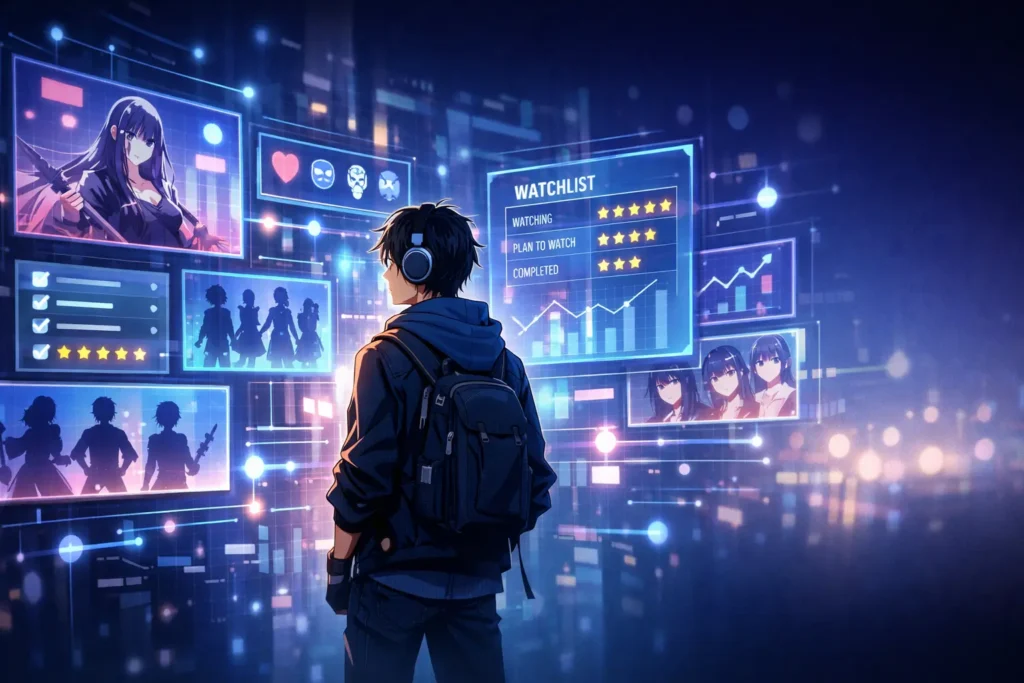
Anime fandom has changed dramatically over the last decade. What once revolved around forum threads, fan subs, and scattered watchlists has evolved into something far more structured, personalized, and identity-driven. That shift is exactly where animeidhen enters the conversation.
If you’ve spent any serious time watching anime, tracking seasonal releases, joining fandoms, or curating your taste online, you’ve probably felt the friction. Watch histories spread across platforms. Recommendations that don’t quite “get” your taste. Communities that feel either too chaotic or too shallow. Animeidhen exists to solve that gap.
This article is for anime fans who want more than passive consumption. It’s for curators, collectors, creators, and deeply invested viewers who see anime as part of their identity—not just entertainment. By the end, you’ll understand what animeidhen really is, why it’s gaining traction, how it works in real life, and how to use it intelligently without falling into the common traps most people do.
No fluff. No surface-level explanations. Just practical clarity.
Animeidhen Explained: From Simple Concept to Advanced Understanding
At its core, animeidhen refers to a centralized anime identity framework—a way to unify how you discover, track, curate, and express your relationship with anime across platforms and communities.
Think of it like this:
Streaming platforms show you what they want you to watch. Social platforms show you what’s trending. Animeidhen flips that model by anchoring everything around you—your viewing patterns, genre preferences, character affinities, thematic interests, and even how your taste evolves over time.
For beginners, animeidhen might feel like a smarter watchlist combined with a taste profile. You log what you watch, rate it honestly, and receive better recommendations. Simple.
At a deeper level, animeidhen becomes a persistent anime identity. It tracks not just titles, but:
- Story archetypes you gravitate toward
- Animation styles you prefer
- Studios and directors you subconsciously follow
- Emotional tones you respond to most
Over time, this creates a fingerprint of your anime taste—far richer than a five-star rating system.
Advanced users leverage animeidhen as a discovery engine, community filter, and even a personal archive. Instead of scrolling endlessly, they move with intent. Instead of generic fandoms, they find people whose taste actually overlaps with theirs.
This progression—from utility to identity—is what separates animeidhen from traditional anime tools.
Why Animeidhen Matters Right Now in the Anime Landscape
Anime consumption has exploded globally, but the infrastructure around fandom hasn’t matured at the same pace. More content doesn’t automatically mean better experiences. In fact, for many fans, it creates overload.
Animeidhen matters now because:
- Seasonal anime releases are overwhelming
- Recommendation algorithms are increasingly commercial
- Fandom spaces are fragmented and noisy
- Personal taste is rarely respected at scale
Animeidhen addresses these pain points by shifting the focus from platforms to people.
Instead of asking, “What’s popular this season?” it asks, “What aligns with your anime identity right now?” That’s a subtle but powerful difference.
This is especially relevant for long-term fans whose tastes have evolved. Someone who loved battle shōnen at 16 may prefer psychological drama or slice-of-life at 26. Animeidhen recognizes those transitions instead of freezing you in a demographic box.
In a crowded ecosystem, relevance beats volume. Animeidhen is built on that principle.
Benefits and Real-World Use Cases of Animeidhen
Animeidhen isn’t theoretical. When applied properly, it produces very real, very practical outcomes.
For everyday viewers, the most immediate benefit is time saved. Instead of trial-and-error watching, animeidhen narrows options intelligently. You spend less time browsing and more time enjoying shows that actually resonate.
Collectors and archivists use animeidhen to maintain clean, searchable libraries. Completed series, dropped shows, rewatches, and favorites are all contextualized instead of dumped into flat lists.
Content creators benefit in a different way. Animeidhen helps them understand their own taste biases, which improves reviews, essays, and recommendations. When you can articulate why something works for you, your content becomes sharper and more trustworthy.
Community builders use animeidhen to form higher-quality groups. Instead of massive servers with shallow engagement, they create smaller, taste-aligned circles where discussions go deeper and drama stays low.
Before animeidhen, fans adapted to platforms. After animeidhen, platforms adapt to fans.
Step-by-Step: How to Use Animeidhen Effectively
The biggest mistake people make with animeidhen is treating it like a static profile. It’s not. It’s a living system.
Step one is honest input. Log what you watch accurately. Don’t rate based on hype or consensus. Your animeidhen profile only works if it reflects your real reactions.
Step two is contextual tagging. Genre alone isn’t enough. Note themes, pacing, emotional impact, and character dynamics. This depth is what powers meaningful recommendations later.
Step three is periodic reflection. Every few months, review your patterns. What surprised you? What bored you? Animeidhen becomes powerful when you notice your own shifts in taste.
Step four is selective sharing. You don’t need to broadcast everything. Share your animeidhen selectively with communities or individuals who value nuanced discussion. Quality beats visibility here.
Finally, use animeidhen as a compass, not a cage. It should guide discovery, not limit experimentation. Occasionally step outside your profile on purpose—that contrast sharpens it.
Tools, Platforms, and Expert Recommendations Around Animeidhen
Not all animeidhen-style tools are equal. Some prioritize data. Others prioritize social features. The best setups combine both without overwhelming the user.
Free tools are great for beginners. They help establish basic tracking habits without friction. The downside is limited customization and shallow analytics.
Paid or advanced platforms offer deeper insights—trend mapping, thematic clustering, and long-term taste evolution. These are ideal for power users, creators, and archivists.
Lightweight tools suit casual fans who just want smarter recommendations. Professional-grade systems suit those who see anime as part of their creative or cultural work.
The key is alignment. The best animeidhen tool is the one that fits your intention, not the one with the most features.
Common Animeidhen Mistakes and How to Avoid Them
One common mistake is over-optimization. People try to game their profile instead of letting it evolve naturally. This leads to rigid recommendations that miss emotional nuance.
Another mistake is copying others’ tastes. Animeidhen collapses when it becomes performative. Authenticity is non-negotiable.
Many users also abandon updates too early. Animeidhen needs data over time. Sporadic logging weakens its value.
Finally, people underestimate reflection. The system shows patterns, but insight comes from interpretation. Take time to think about why certain anime resonate with you now.
Avoid these pitfalls, and animeidhen becomes an asset instead of a novelty.
The Bigger Picture: Animeidhen as Cultural Infrastructure
Zoom out, and animeidhen represents something larger than personal convenience. It’s part of a broader shift toward identity-centric media consumption.
As anime continues to globalize, taste becomes more diverse, not less. Animeidhen allows that diversity to coexist without flattening it into trends.
For the industry, this means better feedback loops. For fans, it means agency. For creators, it means audiences who actually understand their work.
Animeidhen isn’t about controlling taste. It’s about respecting it.
Conclusion: Why Animeidhen Is Worth Your Time
Animeidhen rewards intention. The more thoughtfully you engage with it, the more it gives back.
It saves time, sharpens taste, deepens community, and turns passive watching into an evolving personal archive. Whether you’re new to anime or decades deep, animeidhen meets you where you are—and grows with you.
Start simple. Stay honest. Let your anime identity unfold naturally.
That’s how animeidhen works best.
FAQs
What exactly does animeidhen track?
Animeidhen tracks viewing behavior, preferences, themes, and taste evolution—not just ratings or watch status.
Is animeidhen only for hardcore anime fans?
No. Casual viewers benefit too, especially from improved recommendations and reduced browsing time.
Does animeidhen replace streaming platforms?
No. It complements them by organizing and contextualizing your experience across platforms.
How long does it take for animeidhen to become useful?
Most users notice value within a few weeks, with deeper insights emerging over months.
Can animeidhen help with anime recommendations?
Yes—far more accurately than generic algorithms when used consistently.

Adrian Cole is a seasoned content creator specializing in artificial intelligence, emerging technologies, and digital innovation. With a strong passion for breaking down complex technical concepts into clear, practical insights, Adrian helps readers understand how AI is shaping businesses, products, and everyday life. His work focuses on real-world applications of machine learning, automation, SaaS tools, and future tech trends, making advanced technology accessible to both professionals and curious learners. Adrian is known for his balanced, experience-driven approach that blends technical accuracy with human-centered storytelling.