Walking into the gym wearing an old, stained cotton t-shirt and baggy basketball shorts is a rite of passage for many guys. But as you get serious about your fitness, you quickly realize that what you wear impacts how you train. A high-quality workout outfit for men is not just about looking good in the mirror (though that certainly helps with motivation); it is about engineering your body for success.
The right gear manages sweat, regulates temperature, prevents chafing, and allows for a full range of motion. Whether you are crushing a heavy leg day, training for a marathon, or flowing through a yoga session, your apparel should work as hard as you do. In this comprehensive guide, we will break down the science of performance fabrics, how to choose the right gear for your specific training style, and how to maintain your kit so it lasts.
Why Your Gym Gear Matters
You might be thinking, “It’s just clothes. I’m just going to sweat in them.” While true, the wrong clothing can actually hinder your progress.
1. Temperature Regulation
Your body generates massive amounts of heat during exercise. If that heat is trapped by heavy fabrics, your heart rate rises faster, and you fatigue sooner. Technical apparel is designed to vent heat and keep your core temperature stable.
2. Moisture Management
Sweat is the body’s cooling mechanism, but it only works if it evaporates. A soggy shirt clinging to your back blocks evaporation. A proper workout outfit for men wicks moisture away, keeping you dry and reducing the risk of skin irritation and acne.
3. Range of Motion
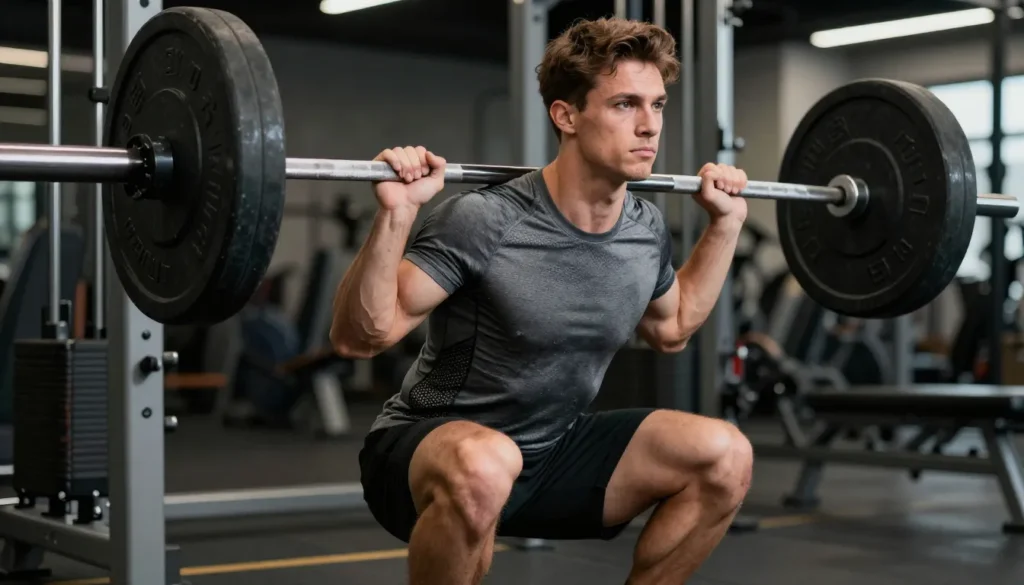
Have you ever tried to deep squat in stiff shorts? It ruins your form. Athletic wear utilizes specific cuts and stretch fabrics to ensure your clothing never restricts your movement pattern.
4. The “Enclothed Cognition” Effect
Psychologists have found that what you wear influences your psychological state. Putting on “pro” gear can subconsciously shift your mindset into “athlete mode,” increasing focus and determination before you even lift a weight.
The Fabric Bible: What to Wear and What to Avoid
The foundation of any great workout outfit is the material. Understanding fabric technology will save you from buying gear that smells, chafes, or wears out after two washes.
The Enemy: Cotton
Rule #1 of the gym: Avoid 100% cotton.
Cotton is hydrophilic, meaning it loves water. It absorbs sweat like a sponge and holds it against your skin. This leads to:
- Chafing: Wet fabric creates friction.
- Weight: A wet shirt can weigh pounds more than a dry one.
- Chills: Once you stop moving, that wet layer will make you freeze rapidly.
The Heroes: Technical Synthetics
Polyester
The king of activewear. It is durable, lightweight, wrinkle-resistant, and hydrophobic (repels water). High-quality polyester is treated to wick moisture to the surface where it evaporates instantly.
Nylon
Often found in compression gear and blended with other fibers. Nylon is incredibly soft, stronger than polyester, and has excellent stretch recovery. It feels cool to the touch, making it great for high-intensity training.
Spandex (Elastane)
This is the stretch factor. You rarely find 100% spandex garments; instead, it is blended (usually 5-20%) into shorts and shirts to allow for four-way stretch. This ensures your workout outfit for men moves with you, not against you.
The Natural Alternatives
Merino Wool
If you hate the feel of synthetic plastic-like fabrics, Merino is the answer. It is a natural fiber that is antimicrobial (it won’t stink even after multiple wears), temperature regulating, and soft. It is an investment, but worth it.
Bamboo Viscose
Bamboo is rising in popularity for its unbelievable softness and natural cooling properties. It is often less durable than nylon but offers superior comfort for lower-impact activities like yoga.
The Upper Body: T-Shirts, Tanks, and Hoodies
When selecting the top half of your workout outfit for men, consider the activity and your personal comfort preference.
The T-Shirt: The All-Rounder
A technical tee is the standard for a reason.
- The Fit: Aim for an “athletic cut.” This means slightly broader in the shoulders and chest, tapering slightly at the waist. It shouldn’t be a tent, but it shouldn’t look painted on either.
- Raglan Sleeves: Look for shirts where the sleeve seam runs from the collarbone to the underarm (rather than right on the shoulder). This allows for better arm movement during overhead presses.
The Tank Top / Stringer
Best for: Bodybuilding and hot climates.
- Pros: Maximum ventilation and zero restriction on the arms. Allows you to see your muscle engagement in the mirror.
- Cons: Offers no protection from the barbell during squats (skin contact with a knurled bar can hurt).
Long Sleeves and Layers
- Compression Tops: Great for keeping muscles warm and improving blood flow. Essential for outdoor winter training.
- The Pump Cover: A trending term for an oversized hoodie or sweatshirt worn during the warm-up phase. Once you get a “pump” (blood flow to muscles) and break a sweat, the hoodie comes off to reveal the tank underneath.
The Lower Body: Shorts, Joggers, and Tights
The bottom half of your workout outfit for men is arguably more critical than the top because your legs power most movements.
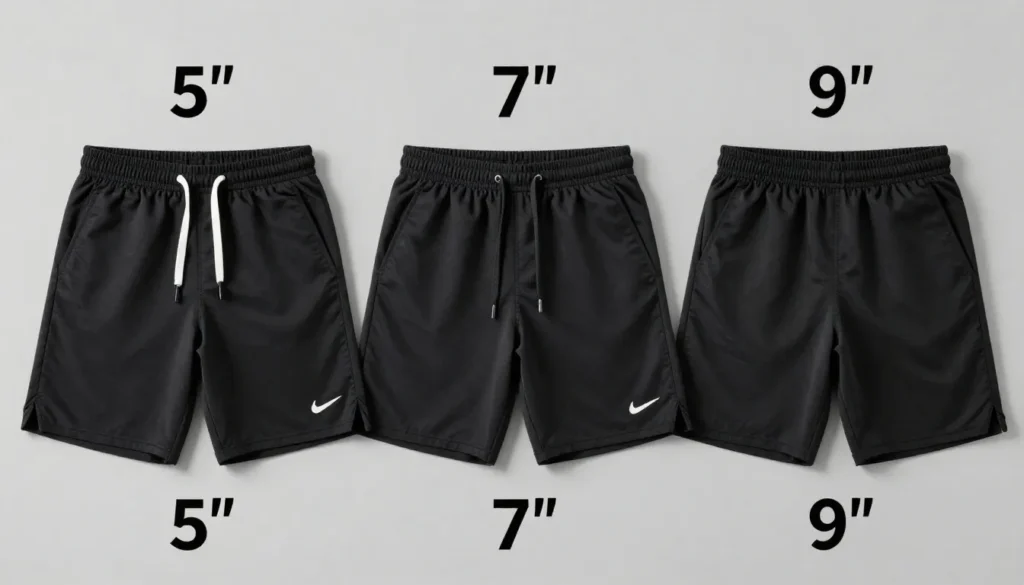
The Great Shorts Debate: Length Matters
Men’s gym shorts generally come in three inseam lengths. Choosing the right one is about function and style preference.
- 5-Inch Inseam (The Quad Show-Off):
- Best for: Running, leg day, squats.
- Why: Less fabric means less friction and no catching on the knees during deep squats.
- 7-Inch Inseam (The Standard):
- Best for: General training, errands, most sports.
- Why: Hits a few inches above the knee. It is the most versatile length for most heights.
- 9-Inch+ Inseam (The Basketball Style):
- Best for: Basketball, taller men (over 6’2″).
- Why: Offers coverage, but can be annoying during running or deadlifting if the fabric drags over the knee.
Liner vs. Linerless
- Lined Shorts: Come with a built-in boxer brief or compression liner. They simplify laundry (no separate underwear needed) and prevent chafing.
- Linerless Shorts: Allow you to choose your own compression shorts or underwear. Better if you are particular about your underwear brand.
Joggers and Track Pants
Modern gym joggers are tapered at the ankle to prevent tripping. They are excellent for deadlifting (protects shins from the bar) and warming up. Look for zippered pockets so your phone doesn’t slide out on the bench press.
Compression Tights
Worn under shorts or alone (for runners/cyclists). They support the muscles, reduce vibration fatigue, and keep the groin and thighs warm to prevent strains.
Footwear: The Foundation of Power
Your shoes connect you to the ground. Wearing the wrong shoes is the #1 cause of gym injuries. Your workout outfit for men is incomplete without the correct footwear.
1. Running Shoes
- Characteristics: heavily cushioned, raised heel, curved sole (rocker).
- Use for: Running, walking, cardio machines.
- Avoid for: Heavy lifting. The squishy sole is unstable and dangerous for squats and deadlifts.
2. Training / Cross-Training Shoes
- Characteristics: Flatter sole, minimal cushioning, wider toe box, reinforced sides.
- Use for: HIIT, CrossFit, casual lifting, agility work.
- Why: They offer stability for lateral movements and a firm base for moderate lifting.
3. Weightlifting Shoes (Lifters)
- Characteristics: Hard plastic or wood sole, elevated heel (usually 0.75″), velcro straps.
- Use for: Squats, Olympic lifting (Clean & Jerk, Snatch).
- Why: The hard sole transfers force efficiently, and the raised heel helps with ankle mobility, allowing for a deeper, more upright squat.
4. Flat Sole Shoes (The Chuck Taylor/Vans Approach)
- Characteristics: Zero cushioning, completely flat.
- Use for: Deadlifts.
- Why: You want to be as close to the ground as possible for maximum leverage.
Designing Your Outfit by Activity
To make this practical, let’s build the perfect kit for different training styles.
The Bodybuilder / Powerlifter
- Goal: Stability and unrestricted movement.
- Outfit: 5-inch or 7-inch shorts (to see quad development), oversized t-shirt or tank top, flat-sole shoes.
- Accessories: Lifting belt, wrist wraps, knee sleeves.
The Runner / Endurance Athlete
- Goal: Minimal weight, zero chafe.
- Outfit: 5-inch lined running shorts, lightweight singlet or moisture-wicking tee, specialized running socks, running shoes.
- Accessories: GPS watch, sweatband, running belt for keys.
The HIIT / CrossFit Athlete
- Goal: Durability and versatility.
- Outfit: Board-short style shorts (durable material that won’t rip on a barbell), breathable synthetic tee, cross-training shoes.
- Accessories: Hand grips (for pull-ups), high socks (for rope climbs).
The Yogi
- Goal: Stretch and coverage.
- Outfit: Lined shorts (to avoid accidental flashing during inversions) or compression tights, fitted tank top (so it doesn’t fall in your face), barefoot.
The Unsung Heroes: Underwear and Socks
You can spend $100 on shorts, but if you wear cheap cotton boxers, you will be miserable.
Performance Underwear
Your gym underwear needs to be supportive and breathable.
- Material: Look for micromodal or nylon mesh blends.
- Fit: Boxer briefs or trunks are best to prevent thigh chafing (“chub rub”).
- Pouch: Some brands offer a “ball park” pouch to keep everything separated and reduce friction.
Athletic Socks
Cotton socks lead to blisters. Choose synthetic or merino wool blends.
- Crew socks: Trending right now, offer shin protection.
- Ankle/No-show: Good for running to keep legs cool.
- Grip socks: Essential for Pilates or Yoga on slick floors.
Athleisure: Taking the Gym Look to the Street
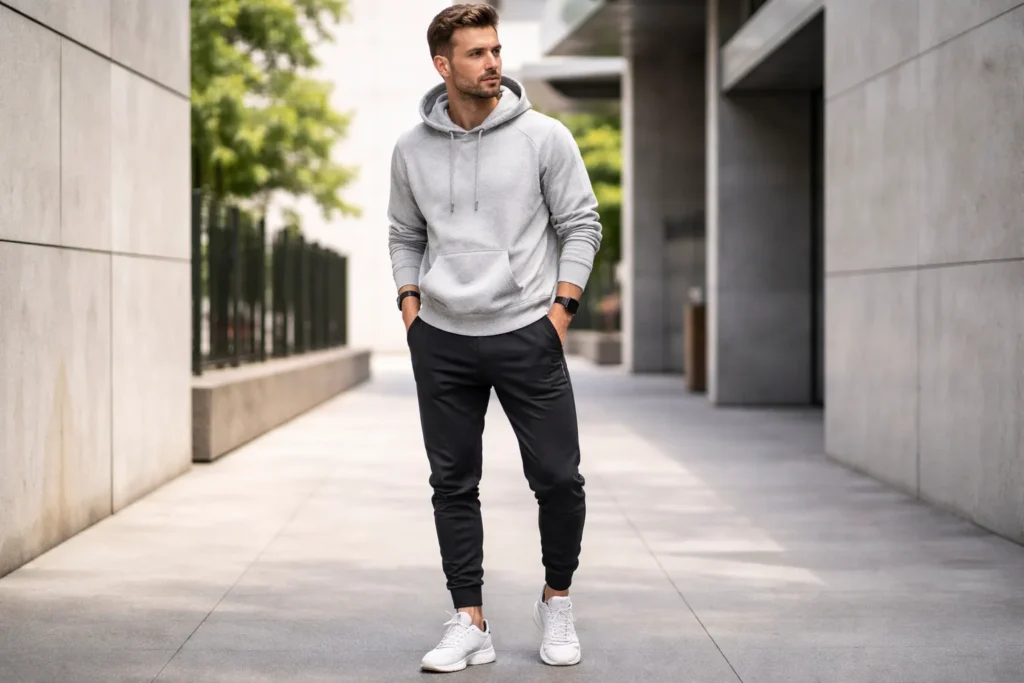
The modern workout outfit for men is versatile enough to be worn outside the gym. This style, known as athleisure, focuses on clean lines and premium fabrics.
How to pull it off:
- Neutral Colors: Stick to black, grey, navy, olive, and white. Neon yellow is for running, not for coffee dates.
- Fit is King: Avoid baggy sweats. Tailored joggers and fitted tees look intentional and sharp.
- Clean Shoes: Don’t wear your battered, muddy running shoes to brunch. Have a clean pair of “lifestyle” sneakers.
- Premium Hoodies: Invest in a heavyweight, structured hoodie that holds its shape.
Care Instructions: Make Your Gear Last
Technical fabrics are expensive. Don’t ruin them in the wash.
- Wash Cold: Hot water breaks down the elastic fibers (spandex) that give your gear its stretch.
- Skip the Fabric Softener: This is crucial. Fabric softener coats the fibers in a wax-like substance. This blocks the moisture-wicking pores, turning your high-tech shirt into a sweat trap. It also locks in odors.
- Air Dry if Possible: High heat from dryers damages logos, melts bonding, and shrinks fabrics. If you must use a dryer, use the lowest heat setting.
- Wash Inside Out: Protects the outer surface from pilling and protects logos from peeling.
Conclusion
Upgrading your workout outfit for men is an investment in your fitness journey. When you eliminate the distractions of chafing, overheating, and poor fit, you clear the path to focus entirely on the rep, the step, or the stretch in front of you.
Start with the basics: ditch the cotton, find a pair of shorts with the perfect inseam for your height, and invest in shoes that match your training modality. Whether you are aiming for a personal best on the bench press or just trying to stay active, the right gear will help you get there in style and comfort.
FAQs
Should I wear compression shorts under my gym shorts?
It is highly recommended. Compression shorts provide support to the groin, keep muscles warm, and most importantly, prevent chafing between the thighs. Many gym shorts come with these built-in (lined shorts), but wearing a separate pair under unlined shorts works just as well.
What is the best material for men who sweat a lot?
If you are a heavy sweater, look for lightweight polyester meshes or fabrics treated with silver-ion technology (often labeled as “anti-odor” or “silver”). These materials wick sweat rapidly and kill the bacteria that cause body odor.
Are 5-inch shorts too short for the gym?
Not at all. 5-inch shorts are the current standard for serious lifters and runners. They allow for unrestricted leg movement, which is essential for squats and lunges. It is a matter of confidence, but functionally, they are superior to long board shorts.
Can I lift weights in running shoes?
You can, but you shouldn’t. Running shoes have compressible, squishy soles designed to absorb impact. When you have a heavy barbell on your back, that squish creates instability, making your knees wobble and reducing your power output. Flat shoes or lifting shoes are much safer.
How tight should a workout shirt be?
It depends on preference, but generally, it should be fitted but not restrictive. A “compression” fit is skin-tight and great for blood flow, while a “fitted” or “athletic” cut skims the body without squeezing. Avoid overly baggy shirts as they can get caught on gym equipment.

Sofia Bennett is a fashion content creator known for her refined perspective on style, trends, and modern elegance. She specializes in curating content that blends timeless fashion principles with contemporary aesthetics, helping readers develop confidence through personal style. Sofia’s work spans outfit styling, wardrobe essentials, and fashion inspiration, always with an emphasis on authenticity and practicality. Her approachable voice and eye for detail make fashion accessible, empowering readers to express themselves with confidence and sophistication.