
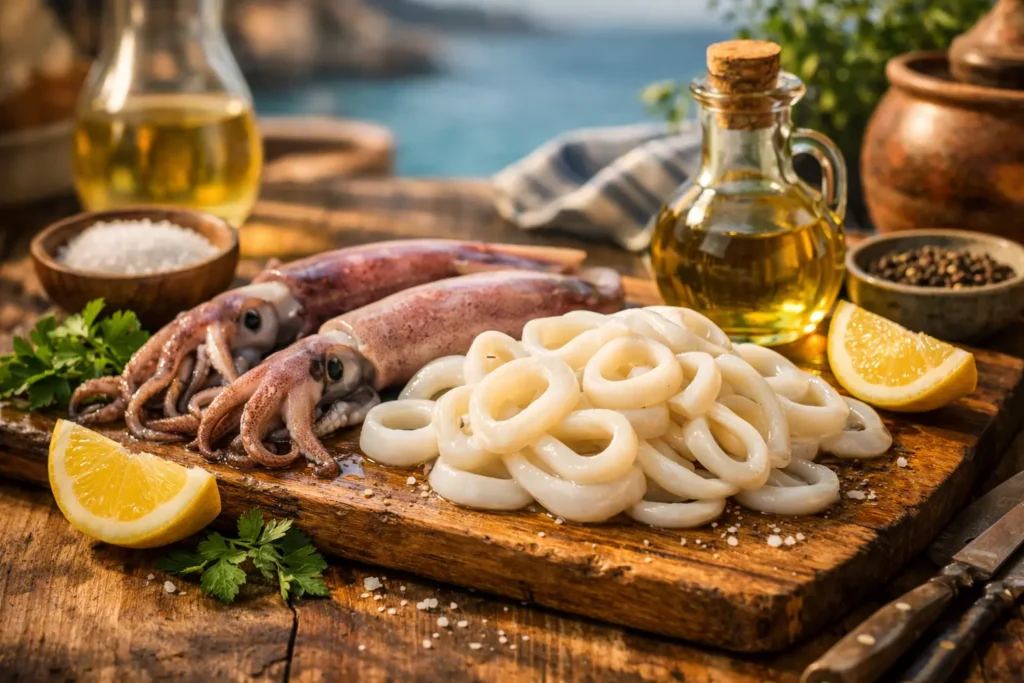
In the sun-drenched coastal villages of the Mediterranean, where the scent of sea salt mingles with fresh herbs and garlic, there exists a culinary tradition that transforms humble squid into an extraordinary dining experience. This is the art of calamariere—more than just a dish, it represents a philosophy of seafood preparation rooted in centuries of coastal cuisine and culinary artistry. Whether you’re seeking to master the perfect crispy calamari fritti or exploring the cultural heritage behind this beloved Mediterranean staple, this comprehensive guide will take you through every aspect of calamariere, from its ancient origins to modern fusion interpretations.
The journey into calamariere encompasses practical cooking techniques, nutritional insights, sustainable sourcing practices, and the rich gastronomic traditions that have shaped Mediterranean food culture. By understanding both the technical science of squid preparation and the cultural significance woven into every recipe, you’ll gain the expertise to create restaurant-quality dishes in your own kitchen while honoring the time-tested methods of fishing communities across Italy, Greece, and Spain.
What Is Calamariere? Meaning & Culinary Identity
The term ‘calamariere’ extends far beyond a simple recipe name. In Mediterranean culinary language, it represents a comprehensive approach to squid cuisine that encompasses ingredient selection, preparation philosophy, and the artistry of transforming fresh seafood into memorable dishes. Understanding this distinction is essential for anyone seeking to master authentic Mediterranean cooking.
Beyond a Dish: Calamariere as Culinary Philosophy
The suffix ‘-iere’ in Italian culinary terminology denotes expertise, craftsmanship, and a holistic approach to a specific ingredient or cooking method. Just as ‘pasticciere’ refers to a pastry chef who masters the entire realm of dessert creation, calamariere signifies a deep understanding of squid in all its culinary possibilities. This philosophy encompasses not just cooking techniques, but also the cultural context, seasonal timing, and regional variations that define Mediterranean seafood expertise.
In coastal Italian communities, particularly in Sicily, Naples, and along the Amalfi Coast, calamariere represents a badge of culinary identity. It signals someone who knows how to select the freshest squid at morning markets, clean it with precision, and prepare it using methods passed down through generations of fishing families. The term embodies respect for the ingredient, understanding of its delicate texture, and commitment to showcasing squid’s naturally sweet, subtle flavor rather than masking it with heavy sauces or overpowering seasonings.
Calamari vs. Calamariere: Understanding the Distinction
While ‘calamari’ simply refers to squid as an ingredient—the cephalopod itself, fresh or prepared—’calamariere’ encompasses the entire gastronomic approach to squid cuisine. Think of calamari as the canvas and calamariere as the complete artistic vision: the selection of premium ingredients, mastery of preparation techniques, understanding of flavor pairings, and presentation that honors Mediterranean coastal traditions.
This distinction becomes particularly important when exploring regional variations. A plate of fried calamari rings can be found worldwide, but authentic calamariere requires attention to specific details: the right cut (rings versus tentacles versus whole stuffed squid), appropriate cooking methods for different squid sizes, proper seasoning that complements rather than overwhelms, and serving temperatures that preserve texture. In essence, calamari is an ingredient; calamariere is a culinary discipline.
Historical Roots & Cultural Journey of Calamariere
Ancient Mediterranean Origins
The relationship between Mediterranean peoples and squid stretches back millennia. Archaeological evidence from ancient Greek and Roman coastal settlements reveals that squid was a staple protein source for maritime communities as early as 500 BCE. Ancient texts describe various preparation methods, including grilling over open flames, stewing with wine and herbs, and drying for preservation during long sea voyages.
In ancient Rome, squid held particular importance in the diet of both common sailors and aristocratic banquets. Roman cookbooks, including the famous ‘Apicius,’ contain recipes for squid prepared with garum (fermented fish sauce), olive oil, and aromatic herbs—preparation principles that continue to influence modern Mediterranean cuisine. The Romans understood that quick, high-heat cooking or long, gentle braising were the keys to tender squid, a culinary wisdom that has endured for over two thousand years.
Regional Evolution: From Sicilian Coasts to Global Tables
Sicily, positioned at the crossroads of Mediterranean trade routes, became a crucible for squid preparation innovation. Sicilian cooks developed distinctive approaches influenced by Arab, Norman, and Spanish culinary traditions. The classic Sicilian preparation of ‘calamari ripieni’ (stuffed squid) combines breadcrumbs, pine nuts, raisins, and saffron—a fusion of Mediterranean and North African flavors that exemplifies the island’s multicultural gastronomic heritage.
In Naples, calamariere took a different direction. Neapolitan street food culture embraced ‘calamari fritti’—lightly battered, quickly fried squid rings served immediately with lemon wedges. This preparation method, perfected in the narrow alleys near the city’s bustling port, became the template for fried calamari served worldwide. The technique’s success relies on understanding oil temperature control and batter composition, transforming simple ingredients into crispy, tender perfection.
Venice contributed its own traditions, often incorporating squid into risotto or preparing it ‘in zimino’ (with Swiss chard and tomatoes). The Venetian approach emphasized the compatibility between squid’s delicate sweetness and earthy vegetables, creating balanced dishes that reflected the city’s sophisticated culinary culture. Along the Amalfi Coast, grilled squid reached artistic heights, with local cooks developing marinades that enhanced rather than masked the seafood’s natural flavor.
Mastering Calamariere: Ingredients & Essential Techniques
Selecting Perfect Squid: Freshness Indicators & Quality Standards
The foundation of excellent calamariere begins at the seafood counter. Fresh squid should have a clean, ocean-like scent—never fishy or ammonia-tinged. The body (mantle) should be firm to the touch with translucent, creamy-white flesh. Any discoloration, particularly brown or pink patches, indicates aging. The skin should have an iridescent quality with natural purple-pink mottling that’s vibrant rather than dull.
When examining whole squid, check the eyes: they should be clear and slightly bulging, never cloudy or sunken. The tentacles should feel springy and show no signs of separation or sliminess. Fresh squid maintains its structure; older specimens begin to soften and lose definition. At quality fish markets, squid is typically displayed on ice and sold within 24-48 hours of catch.
For those without access to fresh squid, high-quality frozen squid offers an excellent alternative. Many commercial fishing operations freeze squid immediately after catch, preserving freshness and texture. When selecting frozen squid, look for products with minimal ice crystals in the packaging, which indicates proper storage without temperature fluctuations. Thaw frozen squid slowly in the refrigerator overnight rather than using hot water, which damages the delicate protein structure.
Sustainable sourcing represents another critical consideration. Look for Marine Stewardship Council (MSC) certification, which indicates squid harvested from well-managed, sustainable fisheries. Many squid species, including European squid (Loligo vulgaris) and longfin squid, are relatively fast-growing and resilient, making them more environmentally responsible seafood choices compared to overfished species. Ask your fishmonger about the squid’s origin and fishing method—jig-caught or pot-caught squid have minimal environmental impact compared to bottom trawling methods.
The Science of Texture: Avoiding Rubbery Squid
Understanding why squid becomes rubbery is essential for mastering calamariere. Squid muscle contains high concentrations of myosin and actin proteins that begin to coagulate when exposed to heat. Between 140°F and 160°F (60°C-71°C), these proteins contract rapidly, squeezing out moisture and creating the dreaded rubbery texture that plagues improperly cooked squid.
There are two scientifically proven approaches to achieving tender squid: cook it very quickly at high heat (under 2 minutes) or braise it slowly for extended periods (45 minutes or longer). Quick cooking doesn’t allow proteins sufficient time to fully contract, while prolonged cooking eventually breaks down collagen and connective tissue, rendering the squid tender again. The danger zone—cooking for 5-30 minutes at moderate temperatures—guarantees rubbery results.
For fried calamari, the key is maintaining oil temperature between 350°F and 375°F (175°C-190°C). When squid hits properly heated oil, the exterior proteins set almost instantly, creating a protective crust that prevents overcooking the interior. Total frying time should be 60-90 seconds for rings and small pieces, 2-2.5 minutes for tentacles. Using a kitchen thermometer is not optional—temperature fluctuations ruin texture.
When grilling or sautéing, the same principle applies: blazing heat, minimal time. Preheat your grill or pan until it’s almost smoking. Squid should hit the surface, develop char marks within 60-90 seconds per side, and immediately come off the heat. For braised preparations like stews or ‘calamari in umido,’ commit to the full 45-60 minute cooking time to allow complete protein breakdown.
Core Preparation Methods Compared
Each cooking method produces distinct textures and flavor profiles, making them suitable for different occasions and culinary applications.
Frying delivers the classic crispy exterior with tender interior that defines calamari fritti. This method works best for rings and small pieces, creating the satisfying textural contrast that makes fried calamari universally beloved. The challenge lies in maintaining consistent oil temperature and achieving golden color without burning. Frying suits casual gatherings, appetizers, and situations where immediate serving is possible, as fried calamari loses crispness quickly.
Grilling produces smoky, charred notes that complement squid’s natural sweetness. This technique excels with whole squid bodies or larger pieces that can withstand direct flame. Grilling requires careful monitoring to prevent drying out, but when done correctly, it delivers restaurant-quality results with minimal added fat. The method is ideal for outdoor entertaining and pairs beautifully with herb-forward marinades and fresh salads.
Baking offers a hands-off approach suitable for stuffed squid preparations. Lower temperatures (around 350°F/175°C) combined with braising liquid or tomato sauce prevent drying while allowing flavors to meld. This method requires patience but produces deeply flavored dishes perfect for family-style meals. Baking is less demanding than frying or grilling, making it accessible for less experienced cooks.
Stewing transforms squid into melt-in-your-mouth tenderness through long, gentle cooking. This traditional approach, common in Italian ‘calamari in umido’ and Spanish guisos, allows squid to absorb flavors from wine, tomatoes, and aromatics. Stewed squid actually improves with time, making it excellent for make-ahead meals and cold-weather comfort food. The method works particularly well with larger, tougher squid that benefit from extended cooking.
Signature Calamariere Recipes with Step-by-Step Guides
Classic Calamari Fritti: Crispy Fried Perfection
The ultimate test of calamariere mastery is achieving calamari fritti with a delicate, crispy coating and tender interior. This recipe serves 4 as an appetizer.
Ingredients:
- 1 pound fresh or frozen squid, cleaned and cut into 1/2-inch rings
- 1 cup all-purpose flour
- 1/2 cup cornstarch
- 1 teaspoon sea salt, plus more for finishing
- 1/2 teaspoon black pepper
- 1/2 teaspoon sweet paprika
- 1 cup cold sparkling water or club soda
- Vegetable or peanut oil for frying (about 2 quarts)
- Fresh lemon wedges for serving
- Fresh parsley, chopped, for garnish
Step-by-Step Instructions:
Step 1: Prepare the Squid
Pat squid rings completely dry using paper towels. Any moisture will cause oil splatter and prevent proper crisping. If using frozen squid, ensure it’s fully thawed and drained. Moisture is the enemy of crispy coating.
Step 2: Create the Batter
In a large bowl, whisk together flour, cornstarch, salt, pepper, and paprika. The cornstarch creates extra crispness, while the paprika adds subtle color and flavor. Just before frying, pour in cold sparkling water and whisk until just combined—some lumps are acceptable and even desirable. The carbonation creates air pockets that result in a lighter, crispier coating. Do not overmix, as this develops gluten and creates a tough, chewy texture.
Step 3: Heat the Oil
Pour oil into a heavy-bottomed pot or Dutch oven to a depth of 3-4 inches. Heat over medium-high heat until it reaches exactly 365°F (185°C) on a deep-fry thermometer. This temperature is critical—too low and the squid absorbs oil and becomes greasy; too high and the coating burns before the squid cooks through. Maintain temperature by adjusting heat and frying in small batches.
Step 4: Fry in Batches
Working with about 1/4 of the squid at a time, quickly dip rings in batter, allowing excess to drip off, then carefully lower into hot oil. Fry for exactly 90 seconds, turning once halfway through, until golden and crispy. The squid will float and should be light golden, not dark brown. Remove with a slotted spoon or spider skimmer and drain on a wire rack set over a baking sheet (never on paper towels, which create steam and soggy coating).
Step 5: Season and Serve Immediately
While still hot, sprinkle with additional sea salt and chopped parsley. Serve within 2-3 minutes with lemon wedges for squeezing. Fried calamari waits for no one—serve immediately for optimal texture.
Pro Tips:
- Keep the batter ice-cold by setting the bowl over another bowl filled with ice.
- Never crowd the pot—frying too much at once drops oil temperature dramatically.
- Allow oil to return to 365°F between batches (about 1-2 minutes).
- For extra flavor, add 1/4 teaspoon cayenne pepper or 1/2 teaspoon garlic powder to the flour mixture.
Grilled Calamariere with Herb Infusions
Grilled squid showcases the ingredient’s natural sweetness enhanced by smoke and char. This preparation is popular along the Amalfi Coast and Greek islands. Serves 4 as a main course.
Ingredients:
- 2 pounds whole squid, cleaned (bodies and tentacles separated)
- 1/3 cup extra-virgin olive oil
- 3 cloves garlic, minced
- Zest and juice of 2 lemons
- 2 tablespoons fresh parsley, finely chopped
- 1 tablespoon fresh oregano, chopped (or 1 teaspoon dried)
- 1 teaspoon red pepper flakes
- Sea salt and black pepper to taste
Instructions:
Prepare the marinade by whisking together olive oil, garlic, lemon zest, lemon juice, parsley, oregano, red pepper flakes, salt, and pepper. Score the squid bodies in a crosshatch pattern (shallow diagonal cuts) to prevent curling and allow marinade penetration. Place squid in a shallow dish, pour marinade over, and toss to coat. Marinate for 30 minutes at room temperature—no longer, as the acid begins to ‘cook’ the squid.
Preheat your grill to high heat (450-500°F/230-260°C). Clean and oil the grates thoroughly to prevent sticking. Remove squid from marinade, allowing excess to drip off. Grill squid bodies for 2-3 minutes per side until charred and opaque. Grill tentacles for 1-2 minutes per side. Immediately transfer to a cutting board, slice bodies into rings, and serve with extra lemon wedges and a drizzle of high-quality olive oil.
Modern Fusion Interpretations
Contemporary chefs have reimagined calamariere through fusion approaches that honor tradition while embracing global flavors.
Calamari Tacos with Lime-Cilantro Crema represents a Mexican-Mediterranean fusion that has gained popularity in coastal California and Texas. Use the classic fried calamari preparation, serve in warm corn tortillas, and top with a sauce made from Greek yogurt, lime juice, cilantro, and jalapeño. Add shredded cabbage, pickled red onions, and fresh avocado for textural contrast.
Squid Ink Pasta with Calamariere showcases the dramatic black color of squid ink combined with tender sautéed squid pieces. Fresh pasta made with squid ink provides an earthy, briny flavor that complements white wine, garlic, and tomatoes. This preparation, popular in Venice and Sicily, creates a visually stunning dish that epitomizes coastal Italian sophistication.
Nutritional Profile & Health Advantages
Macro-Nutrient Breakdown & Dietary Applications
Squid ranks among the most nutritionally efficient seafood proteins available. A 3-ounce (85g) serving of cooked squid provides approximately 13-15 grams of complete protein with only 75-80 calories and less than 1 gram of fat. This exceptional protein-to-calorie ratio makes calamariere particularly valuable for weight management and muscle maintenance.
Beyond macronutrients, squid delivers impressive micronutrient density. It’s particularly rich in vitamin B12 (providing over 60% of daily requirements per serving), which supports nervous system function and red blood cell formation. Squid also provides significant amounts of selenium (an antioxidant that supports thyroid function), zinc (important for immune health), and phosphorus (essential for bone health).
The omega-3 fatty acid content in squid, while lower than fatty fish like salmon, still offers cardiovascular benefits. These anti-inflammatory compounds support heart health, cognitive function, and may help reduce the risk of chronic diseases. For those following Mediterranean, keto, paleo, or low-carb diets, properly prepared calamariere fits seamlessly into nutritional guidelines.
However, preparation method dramatically impacts nutritional value. Grilled or sautéed squid with minimal added oil maintains its lean profile, while fried calamari, though delicious, adds significant calories from coating and oil absorption. A serving of fried calamari can contain 200-300 calories compared to 80-100 for grilled squid. For health-conscious preparation, choose cooking methods that require minimal added fat.
Sustainable Seafood Choice: Environmental Considerations
Squid represents one of the more sustainable seafood choices available to conscious consumers. Most commercially harvested squid species have short life cycles (1-2 years) and high reproductive rates, making populations more resilient to fishing pressure compared to slow-growing species like tuna or grouper. This biological characteristic, combined with improving fishery management practices, positions squid as an environmentally responsible protein source.
The Marine Stewardship Council (MSC) certifies several squid fisheries worldwide that meet strict sustainability standards. These operations demonstrate minimal bycatch, use selective fishing methods, and operate under science-based catch limits. When shopping, look for the blue MSC label or ask your fishmonger about the squid’s origin and fishing method. Jig-fishing and pot-fishing methods have minimal environmental impact compared to bottom trawling, which can damage ocean floor habitats.
Seasonal considerations also affect sustainability. In the Mediterranean, squid populations peak during spring and fall, with these periods offering the best combination of availability, flavor, and minimal environmental impact. Choosing locally caught squid during peak season not only supports regional fishermen but also reduces the carbon footprint associated with long-distance seafood transportation.
The Complete Calamariere Experience
Wine & Beverage Pairing Principles
Pairing beverages with calamariere requires understanding the interplay between squid’s delicate sweetness, preparation method, and accompanying flavors. The fundamental principle is matching the wine’s weight and acidity to the dish’s richness and seasoning.
For fried calamari, crisp white wines with high acidity cut through the richness of the coating and cleanse the palate between bites. Vermentino from Sardinia, with its citrus notes and mineral backbone, provides classic Mediterranean harmony. Albariño from Spain’s Galician coast offers similar characteristics with additional stone fruit complexity. Greek Assyrtiko delivers striking minerality and razor-sharp acidity that refreshes with each sip.
Grilled squid pairs beautifully with slightly fuller-bodied whites that can match the char and smoke. Greco di Tufo from Campania combines aromatic herbs and stone fruit with enough structure to stand up to grilled flavors. Sicilian Grillo offers tropical notes balanced by saline minerality that mirrors the ocean origins. For those preferring rosé, a dry Provençal rosé provides the perfect middle ground between red and white—enough body for grilled preparations with the refreshing quality of white wine.
Squid prepared in tomato-based sauces or stews demands different treatment. Light-bodied red wines like Valpolicella from Veneto or Cerasuolo d’Abruzzo (a deeply colored rosé) offer cherry fruitiness without overwhelming tannins that would clash with seafood. These wines bridge the gap between traditional seafood pairings and the heartier character of braised preparations.
For non-alcoholic options, consider Italian chinotto (bitter citrus soda), sparkling water with fresh lemon, or homemade lemonade with herbs like basil or rosemary. These beverages provide acidity and refreshment that complement calamariere without competing with its delicate flavors.
Side Dish Compositions & Menu Planning
Creating complete meals around calamariere involves balancing textures, temperatures, and flavors while considering the occasion’s formality.
For quick weeknight dinners, pair fried or sautéed calamari with simple sides that require minimal preparation. A crisp green salad with lemon vinaigrette provides refreshing contrast, while roasted potatoes with rosemary offer satisfying substance. Crusty bread for mopping up any remaining sauce or lemon juice completes the meal.
Romantic dinners benefit from more elaborate presentations. Begin with a light antipasto platter featuring olives, marinated artichokes, and aged pecorino. Serve grilled squid as the main course alongside risotto alla Milanese or saffron-infused pasta. Finish with a simple dessert like panna cotta or affogato to maintain the Italian theme without overwhelming diners.
When entertaining larger groups, create a Mediterranean feast buffet. Offer both fried and grilled calamari to accommodate different preferences, accompanied by multiple dipping sauces (marinara, lemon-garlic aioli, and romesco). Include complementary seafood like grilled shrimp or white fish, alongside Greek salad, roasted vegetables, and grain-based sides like tabbouleh or farro salad. This approach allows guests to customize their plates while maintaining cohesive Mediterranean flavors.
Presentation & Plating Techniques
Visual appeal significantly impacts the dining experience. Professional presentation elevates calamariere from simple fried seafood to restaurant-quality cuisine.
For fried calamari, avoid piling squid in mounds, which traps steam and creates sogginess. Instead, arrange pieces in a single layer on a warm platter or individual plates. Scatter fresh herb leaves (parsley, basil, or arugula) and lemon wedges strategically rather than clustering them on the side. A small ramekin of sauce placed asymmetrically creates visual interest.
Grilled squid benefits from architectural presentation. Arrange whole grilled bodies in a fan pattern, interweaving with tentacles for textural contrast. Drizzle high-quality olive oil in deliberate lines rather than random pools. Garnish with microgreens, edible flowers, or thinly shaved vegetables for color pops. Use white or neutral-colored plates that allow the natural caramelization and char marks to stand out.
For family-style service, choose rustic ceramic platters that evoke Mediterranean coastal dining. Layer fresh arugula or other greens as a base, creating height and preventing direct contact with the plate that can cause condensation. Scatter ingredients like cherry tomato halves, capers, and fresh herbs throughout rather than relegating them to garnish status.
FAQs
How do I prevent calamari from becoming rubbery when cooking?
The key is timing: cook squid either very quickly (under 2 minutes at high heat) or very slowly (45+ minutes braising). The 5-30 minute range causes protein contraction that creates rubbery texture. For frying, maintain oil at 365°F and cook for exactly 90 seconds. For grilling, use blazing heat and cook 2-3 minutes total. For stews, commit to 45-60 minutes of gentle simmering.
What’s the difference between fresh and frozen squid for calamariere?
Fresh squid offers optimal texture and sweetness when used within 1-2 days of catch, but quality frozen squid (flash-frozen at sea) often surpasses ‘fresh’ squid that has been sitting for several days. Frozen squid loses minimal quality if thawed slowly in the refrigerator. Unless you have access to a reliable seafood market with daily deliveries, high-quality frozen squid is an excellent choice.
How long should I fry calamari for perfect texture?
Fry squid rings for exactly 90 seconds at 365°F (185°C), turning once at the 45-second mark. Tentacles need 2-2.5 minutes due to their thicker structure. The coating should be light golden, not dark brown. Overcooking by even 30 seconds can transform tender squid into rubber bands.
Can I make calamariere gluten-free or vegan?
For gluten-free fried calamari, substitute rice flour or a gluten-free flour blend for all-purpose flour. The cornstarch in the recipe is naturally gluten-free. For truly vegan ‘calamariere,’ use king oyster mushrooms cut into thick rings, which provide a similar chewy texture and mild flavor. Marinate them in seaweed broth for ocean-like umami before battering and frying.
Is calamariere an actual dish or a cooking style?
Calamariere represents both—it can refer to specific squid preparations (especially fried or grilled calamari) and to the broader culinary philosophy of squid mastery. The ‘-iere’ suffix indicates expertise and craftsmanship, similar to ‘pasticciere’ (pastry chef). In Mediterranean contexts, it often implies a comprehensive understanding of squid preparation across multiple cooking methods.
Where can I buy sustainable squid for calamariere?
Look for squid with Marine Stewardship Council (MSC) certification at quality seafood markets. Ask your fishmonger about the squid’s origin and fishing method—jig-caught or pot-caught options have minimal environmental impact. Farmers markets in coastal areas often feature locally caught squid during peak season (spring and fall in the Mediterranean). Online sustainable seafood delivery services also offer MSC-certified options shipped overnight.
How do I clean and prepare fresh squid at home?
Pull the head and tentacles away from the body, which removes most internal organs. Remove the clear quill (internal cartilage) from inside the body. Rinse the body cavity thoroughly. Cut tentacles just below the eyes, discarding the head and hard beak from the tentacle center. Peel away the purple skin from the body if desired (though it’s edible and adds flavor). Rinse everything in cold water and pat completely dry before cooking.
What are the specific health benefits of squid?
Squid provides exceptional lean protein (13-15g per 3oz serving) with minimal calories (75-80 per serving). It’s rich in vitamin B12 (over 60% daily value), selenium, zinc, and phosphorus. The omega-3 fatty acids support cardiovascular and cognitive health. Squid is naturally low in mercury compared to larger predatory fish, making it a safer frequent seafood choice.
Is calamariere suitable for a keto or Mediterranean diet?
Absolutely. Plain grilled or sautéed squid contains virtually no carbohydrates and fits perfectly into both diets. For keto, avoid breaded preparations or use almond flour and pork rinds for low-carb coating. The Mediterranean diet actively encourages seafood consumption, and calamariere exemplifies this tradition. Prepared with olive oil, lemon, and herbs, it embodies Mediterranean eating principles.
Can I prepare calamariere in advance for parties?
While fried calamari must be served immediately for optimal crispness, grilled or stewed preparations work well as make-ahead options. Marinate squid up to 4 hours in advance (refrigerated). Grilled squid can be cooked 30 minutes ahead and served at room temperature. Stewed squid actually improves overnight as flavors meld. For fried calamari, prepare and bread the squid in advance, refrigerate, then fry just before serving.
Conclusion: Embracing the Art of Calamariere
Mastering calamariere represents more than learning to cook squid—it’s an invitation into Mediterranean culinary heritage, where simple ingredients transform into extraordinary experiences through technique, tradition, and respect for the sea. Whether you’re perfecting crispy calamari fritti for casual gatherings or exploring regional variations that showcase squid’s versatility, the principles remain constant: select quality ingredients, understand the science of texture, honor cultural traditions, and approach preparation with both precision and creativity.
As you develop your calamariere expertise, remember that this culinary discipline continues to evolve. Modern chefs build upon centuries-old foundations while embracing contemporary techniques and global influences. The fusion recipes, sustainable sourcing practices, and health-conscious preparations outlined in this guide demonstrate how traditional Mediterranean wisdom adapts to contemporary values without losing its essential character.
Start with the classic preparations—calamari fritti and grilled squid with herbs—to build fundamental skills. As your confidence grows, explore regional variations from Sicily to Greece to Spain. Experiment with fusion interpretations that honor tradition while expressing your creativity. Most importantly, share these dishes with friends and family, continuing the Mediterranean tradition of communal dining and the celebration of simple, expertly prepared seafood.
The journey into calamariere offers endless discovery. Each preparation teaches something new about heat management, flavor balance, or cultural history. Every meal becomes an opportunity to connect with coastal communities across millennia who have understood squid’s delicate nature and extraordinary potential. Welcome to the world of calamariere—may your squid always be tender, your coating always crispy, and your tables always full of good company.

Adrian Cole is a seasoned content creator specializing in artificial intelligence, emerging technologies, and digital innovation. With a strong passion for breaking down complex technical concepts into clear, practical insights, Adrian helps readers understand how AI is shaping businesses, products, and everyday life. His work focuses on real-world applications of machine learning, automation, SaaS tools, and future tech trends, making advanced technology accessible to both professionals and curious learners. Adrian is known for his balanced, experience-driven approach that blends technical accuracy with human-centered storytelling.